
What Is Augmented Reality (AR)
Authors

TECHVIFY Team
The TECHVIFY Team is a group of experienced professionals passionate about technology and innovation.

Vincent Hoang
Technology & Consulting Expert
What Is Augmented Reality (AR)?
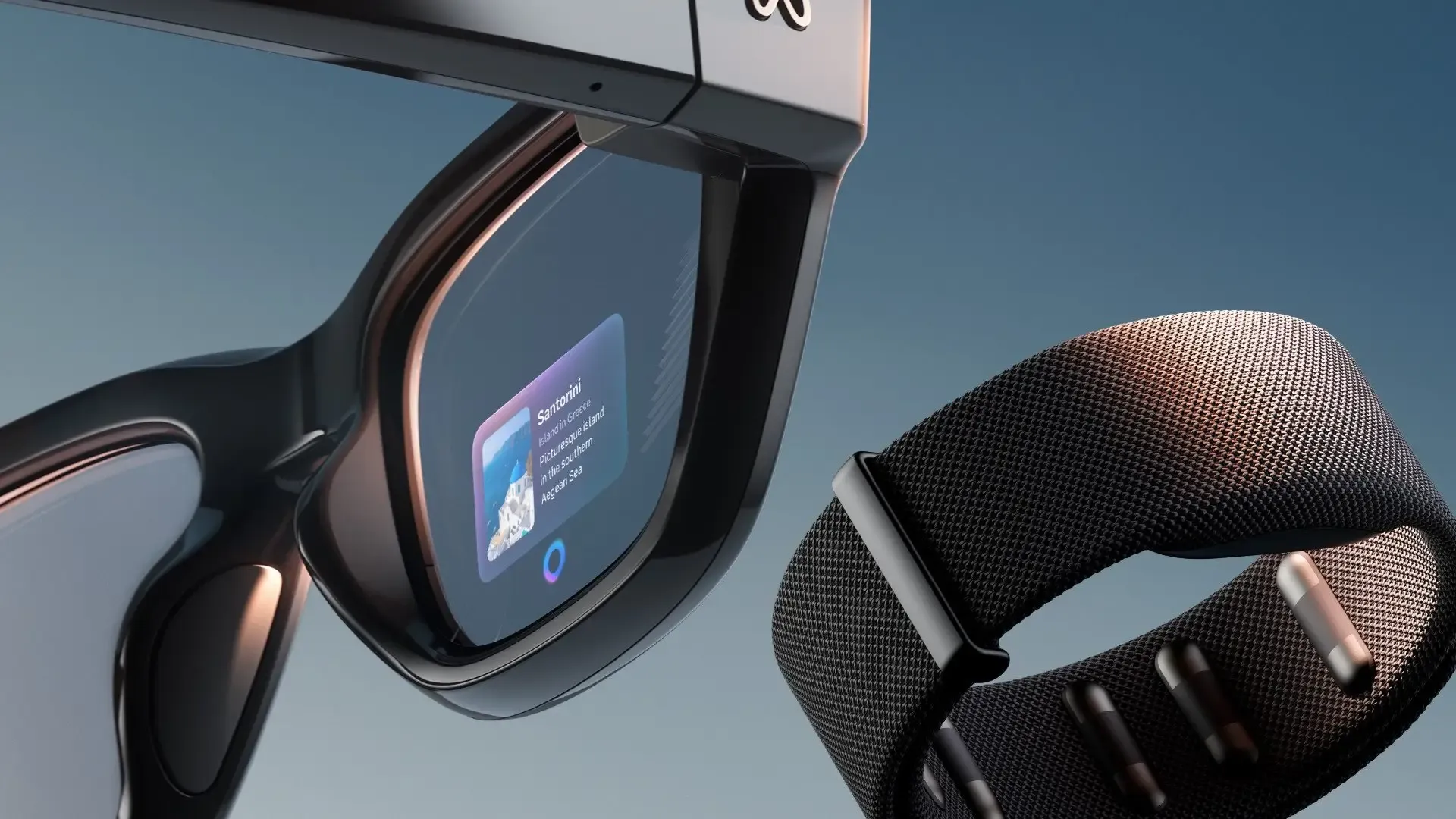
Augmented Reality (AR) is a technology that overlays digital content (images, text, 3D models, animations, sound, etc.) onto the real world. Instead of replacing reality like Virtual Reality (VR), AR enhances what you see, hear, and interact with in your physical environment.
How AR Works
AR systems typically use a combination of hardware and software to detect the user’s surroundings and place virtual objects in the right position:
- Camera & Sensors: Capture the environment and track movement.
- Processing: The device analyzes the scene and calculates where virtual objects should appear.
- Display: The digital content is rendered on a screen (phone, tablet, AR glasses) so it appears aligned with the real world.
Common Types of AR Experiences
- Marker-based AR: Uses a specific image or QR-like marker to trigger and position 3D objects.
- Markerless AR: Uses features of the environment (planes, surfaces, GPS location) to place virtual objects without a printed marker.
- Location-based AR: Combines AR with GPS to show content at specific real-world locations (for example, city guides or games).
- Projection-based AR: Projects light directly onto real surfaces to create interactive displays.
Real-World Use Cases of AR
AR is already used across many industries and everyday scenarios:
- Education: Interactive 3D models for science, history, math, and language learning.
- Retail & E-commerce: “Try before you buy” features (placing furniture in your room, trying on glasses or makeup virtually).
- Gaming & Entertainment: Location-based games, AR filters and lenses on social apps.
- Industry & Manufacturing: Step-by-step instructions overlaid on machines, remote assistance for technicians.
- Healthcare: Training simulations, visual overlays for anatomy or surgery planning.
- Navigation & Tourism: AR directions on streets, information overlays on landmarks.
Benefits of AR
- More engaging experiences: AR turns static content into interactive, immersive experiences.
- Better understanding: Complex concepts can be visualized in 3D instead of just text or images.
- Contextual information: Users can see relevant information exactly where they need it in the real world.
- Improved training & productivity: Workers receive real-time guidance and reduce errors.
Challenges and Limitations
- Hardware requirements: AR often needs modern smartphones, tablets, or specialized headsets.
- User experience: Poor tracking or confusing interfaces can make AR feel gimmicky instead of useful.
- Performance & battery: AR apps can be heavy, affecting battery life and device heat.
- Privacy & safety: AR apps that use cameras and location data must handle user data responsibly.
How Developers Build AR Experiences
Developers can create AR apps using popular frameworks and tools. Typical steps include:
- Define the purpose of the AR experience (education, marketing, support, training, etc.).
- Choose a platform (mobile app, web-based AR, smart glasses).
- Use AR SDKs or engines (for example, AR libraries in mobile or web ecosystems) to handle tracking and rendering.
- Design and optimize 3D content, animations, and interactions that feel natural in the real environment.
- Test in real-world conditions to ensure stability, performance, and good UX.
Future of AR
AR is expected to become more integrated into daily life as devices become smaller, more powerful, and more affordable. We are moving toward a world where digital information will be seamlessly layered on top of our surroundings – from work and learning to shopping and entertainment.
Conclusion
Augmented Reality bridges the gap between the physical and digital worlds. Whether used for education, business, entertainment, or everyday tools, AR has the potential to make information more accessible, interactions more intuitive, and experiences more immersive. Understanding how AR works and where it can be applied is the first step to leveraging its full power in modern applications.