Leveraging the Use of Blockchain Technology for Business Advantages

Author
The TECHVIFY Team is a group of experienced professionals passionate about technology and innovation.
In the digital era, where data security and trustworthiness are paramount, the use of blockchain technology has emerged as a revolutionary solution. Beyond its association with cryptocurrencies, this innovation is revolutionizing industries across the board due to secure, transparent transactions and peer-to-peer interactions. In this blog, we will examine the fundamental concepts and real-world applications of blockchain, highlighting the remarkable benefits it brings.
I. What Is Blockchain Technology?
Blockchain technology is a decentralized ledger that securely records transactions across multiple computers. It operates by storing and transferring data in a distributed and immutable manner, creating a transparent and secure system. Each transaction, referred to as a “block,” is connected to the previous one through cryptographic hashes, forming a chronological chain.
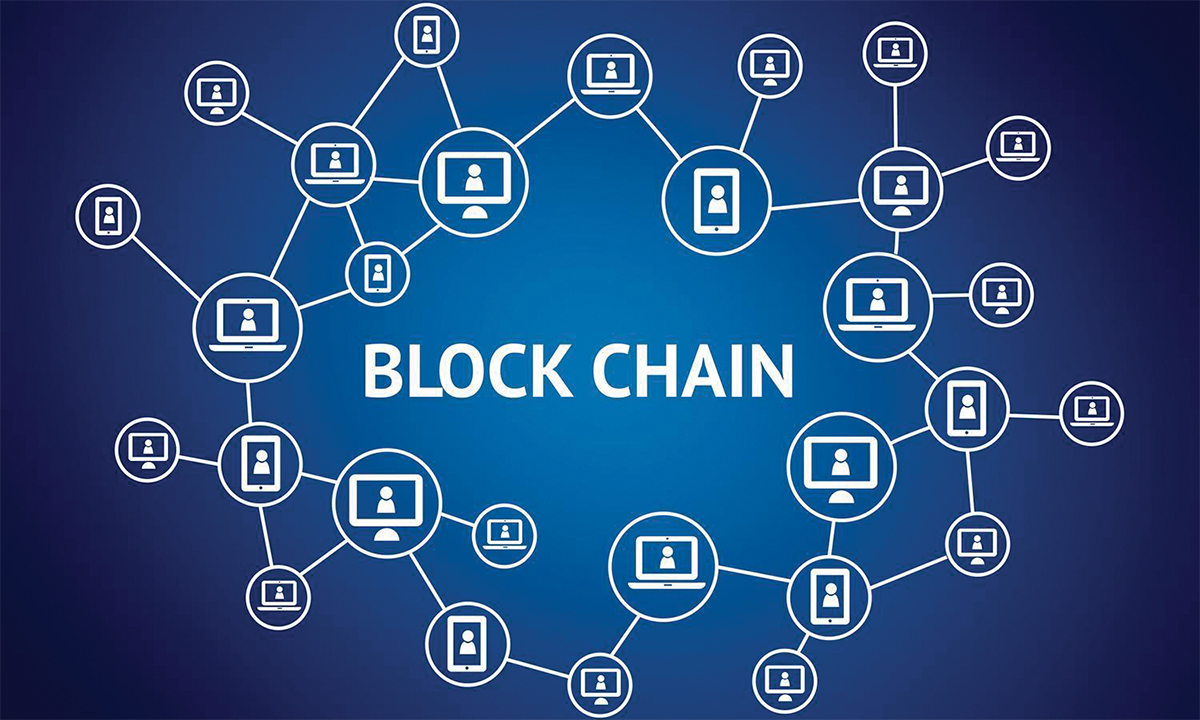
One of the noticeable features is its ability to enable peer-to-peer transactions without intermediaries. This characteristic eliminates the reliance on centralized authorities and fosters direct interactions between participants. It can apply in various domains, including cryptocurrencies, supply chain management, smart contracts, and digital identity verification.
Distributed ledger technology employs cryptographic protocols to ensure the integrity and validity of transactions. These protocols provide a robust layer of security, making the blockchain resistant to tampering and fraud. Leveraging these technological advancements revolutionizes the traditional methods of storing, transferring, and verifying data. It offers a trustworthy and efficient solution to enhance processes and operations in various industries.
More blockchain-related content at TECHVIFY:
II. Uses of Blockchain Technology in Business
This technology has revolutionized various industries, offering new opportunities for growth and development. Businesses can leverage solutions to explore innovative profit models, improve operational efficiency, and enhance customer trust. These are some of the uses for blockchain technology:
1. Cryptocurrencies
Digital currencies have gained significant popularity, with Bitcoin as a pioneering example. Cryptocurrencies provide a means for secure and direct peer-to-peer digital transactions by eliminating the need for intermediaries like banks. The underlying technology ensures transparency, security, and integrity in these transactions.
2. Smart Contracts and Automated Transactions
Companies can use smart contracts, self-executing agreements that automatically activate specific actions based on predetermined conditions, to simplify the execution process. This innovative approach streamlines processes, reduces costs, and eliminates the need for intermediaries, resulting in increased efficiency. Smart contracts find applications in various industries, including supply chain management, real estate, insurance, and digital rights management.
3. Streamlined Supply Chain Management
The effective use of blockchain technology is its ability to offer a tamper-proof record of each stage in the supply chain procedure. The real-time tracking and verification of goods enabled by this development empower companies to combat fraud, improve traceability, and enhance consumer confidence. Sectors like pharmaceuticals, food and beverage, and luxury goods can gain advantages from utilizing supply chain solutions built on distributed ledger.
4. Secure Digital Identity Verification
This advancement provides a decentralized and reliable solution for identity verification. Individuals can maintain control over their personal information by eliminating the need for intermediaries and central authorities, reducing the risk of identity theft and fraud. The revolutionary approach to identity verification enhances privacy, security, and interoperability across various sectors, including banking, healthcare, government services, and online platforms.
5. Financial Services and Payments
The financial industry stands to be transformed by digital ledger technology. Its ability to provide secure, transparent, and fast transactions eliminates the need for intermediaries, leading to reduced costs and improved efficiency. This solution enables cross-border transactions, enhances liquidity, and expands access to financial services, mainly benefiting the unbanked population. Blockchain-based payment systems and cryptocurrencies offer potential benefits such as remittances, cross-border trade, and micropayments.
6. Intellectual Property Protection
These days, the management and protection of intellectual property rights is a problem that requires technology. By establishing an immutable and transparent record of ownership, blockchain enables artists, inventors, and creators to substantiate their rights and safeguard their work against unauthorized use. Intelligent contracts are vital in automating licensing agreements, royalty payments, and digital rights management, ensuring equitable compensation and minimizing infringement.
The above uses of blockchain in business offer companies the opportunity to benefit from various cases and advantages.
- Enhanced Security: Thanks to its decentralized and cryptographic nature, this technology offers robust protection against data tampering, fraud, and unauthorized access. The immutability of the network ensures the integrity and reliability of recorded transactions.
- Transparency and Trust: All participants can view and verify transactions, fostering stakeholder trust due to openness. The decentralized network reduces reliance on intermediaries and establishes trust through consensus mechanisms.
- Efficiency and Cost Reduction: The ledger eliminates the need for intermediaries in many processes, streamlining operations and reducing costs. Automated execution of intelligent contracts eliminates manual processes and reduces potential errors and delays.
- Increased Data Integrity: The immutability of the system ensures that once data gets recorded, it cannot be altered or deleted. This feature enhances the integrity and reliability of data, making it suitable for applications where data accuracy is critical.
III. How Does Blockchain Technology Work?
One of the fundamental principles of blockchain is its decentralized nature. There is no need for a central authority or intermediary in deals as the nodes involved reach a consensus to validate the transactions. This consensus mechanism ensures the accuracy and integrity of the data recorded on the system.
Each block in the chain contains a unique identifier called a cryptographic hash. The hash appears when applying a cryptographic function to the data within the league. The hash serves two essential purposes: first, it provides a digital fingerprint that uniquely identifies the block, and second, it guarantees the immutability of the block’s contents. Any modification to the data within a block would result in a different hash value, thereby alerting the network to the tampering attempt.
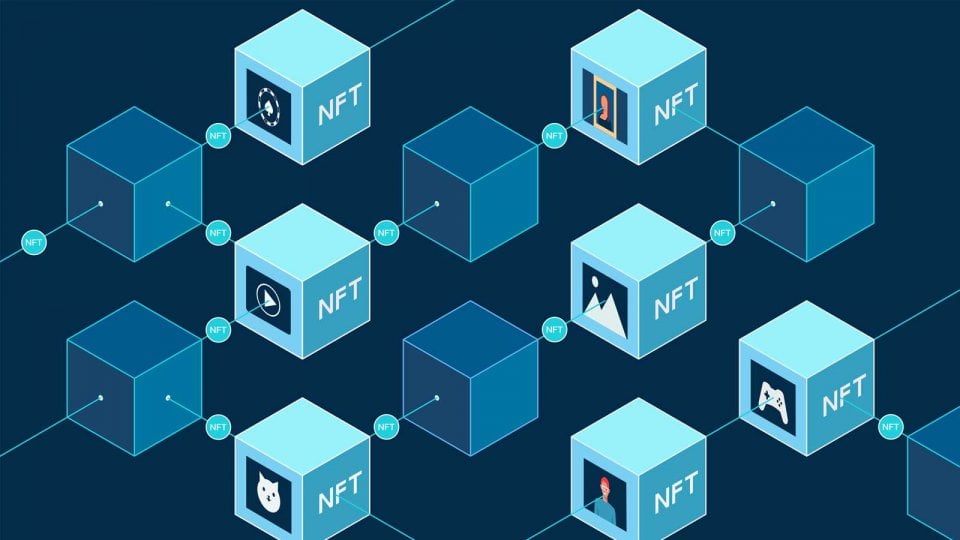
To add a new block to the blockchain, the network participants compete in a process known as mining. Mining involves solving a complex mathematical puzzle that requires significant computational power. The first person to finish the problem adds the new block to the network and gains a certain amount of cryptocurrency, such as Bitcoin, for their efforts.
Once a block occurs in the chain, it becomes a permanent part of the ledger, making it extremely difficult to alter or delete previously recorded transactions. This immutability comes up through the cryptographic link between blocks. Each block contains a reference, called a hash pointer, to the previous block’s hash, forming a chronological chain of blocks.
Conclusion
The use of blockchain technology in business spans various sectors and provides numerous advantages, such as streamlined processes, enhanced security, improved transparency, and increased efficiency. By leveraging developments, companies can transform their operations, drive innovation, and unlock new possibilities for growth in the digital era. As technology evolves, it holds immense potential to reshape industries and foster a new generation of trust and collaboration.
TECHVIFY – Global AI & Software Solution Company
From Startups to Industry Leaders: TECHVIFY prioritizes results, not just deliverables. Accelerate your time to market and see ROI early with high-performing teams, AI (including GenAI) Software Solutions, and ODC (Offshore Development Center) services.
- Email:[email protected]
- Phone:(+84)24.77762.666