Master the Software Maintenance Process: 7 Steps to Success

Loading...
The TECHVIFY Team is a group of experienced professionals passionate about technology and innovation.
The lifecycle of your software doesn’t begin and end with coding or the moment it launches—it’s an ongoing journey. In fact, the real work begins after launch, as your software must continuously evolve to meet changing demands, adapt to technological advancements, and keep pace with your business goals.
Software isn’t static. As long as it’s in use, it needs to be monitored, maintained, and upgraded. This isn’t just about keeping up with internal organizational changes but responding to the accelerating pace of technological innovation.
In this guide, we’ll explore the world of software maintenance process: what it is, why it’s critical, the different types, phases, and as well as actionable best practices to help you succeed. Let’s dive in.
The software maintenance process involves modifying, updating, and optimizing a software system after its release to ensure long-term functionality and efficiency. It’s not just about fixing bugs—it’s about ensuring your software stays aligned with your business goals, adapts to changing environments, and delivers value over time.
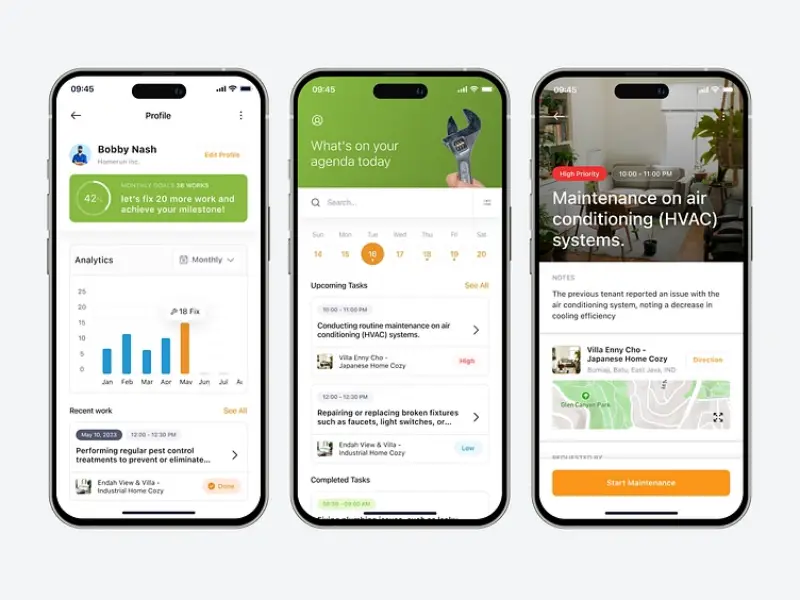
Software maintenance
Whether you’re addressing flaws, improving performance, or introducing new features, maintenance is the key to keeping your software relevant and effective. Software engineering is a critical phase in the Software Development Life Cycle (SDLC) that begins the moment your solution is deployed.
Without regular maintenance, your software risks becoming outdated, vulnerable, or unable to support your evolving needs. In today’s fast-paced environment, where every year brings new tools, technologies, and expectations, software maintenance isn’t just important—it’s essential.
Learn More On:
The lifespan of your software depends on its ability to adapt, improve, and evolve. Here are four key reasons why software maintenance is a bright spot in your business strategy:
The steps of software maintenance follow an iterative lifecycle, addressing everything from identifying issues to delivering updated solutions. Following a structured software maintenance process ensures that modifications are efficient, effective, and aligned with your business goals.
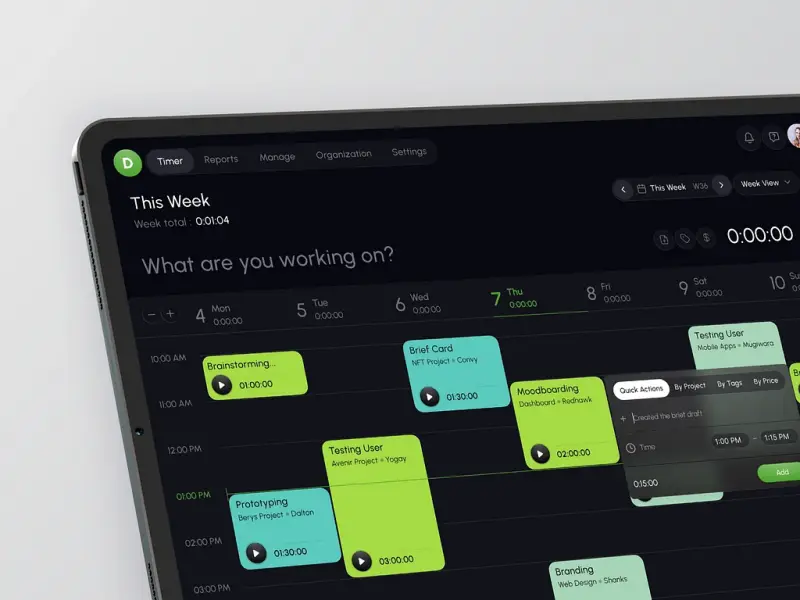
Software maintenance steps
Every maintenance process starts with identifying what needs to change. In this phase, tech teams collect modification requests and assign unique identification numbers for tracking. Developers then classify each request based on the type of maintenance required—adaptive, corrective, preventive, or perfective. Once categorized, these requests are prioritized to determine the most critical tasks.
By structuring this phase, teams ensure that urgent issues are addressed first while laying the groundwork for a smooth maintenance process.
Once problems have been identified, the next step is to analyze their feasibility and scope. Developers validate modification requests, determine the resources required, and review project documentation. This phase is where plans for software updates take shape.
A thorough analysis minimizes risks, ensures the proposed changes align with business goals, and creates a roadmap for the next phases of maintenance.
The design phase focuses on creating solutions for the identified problems. Developers design new modules or modify existing ones, addressing security and performance concerns along the way. Test cases for the proposed changes are also developed to ensure the system remains stable and secure.
This phase ensures that every modification is carefully planned and documented, forming one of the critical steps of software maintenance for a seamless implementation
Here, the real work begins as developers follow critical software maintenance steps to modify the code, add specifications, and integrate new features into the software. The implementation phase turns the plans from the design phase into actionable updates.
This stage not only modernizes the software but also aligns it with current business and technical requirements.
After implementation, testing is critical to ensure the changes work as intended. Integration testing ensures that the new modules function harmoniously with the existing system, while regression testing identifies and resolves any unintended faults.
By rigorously testing the updates, teams can guarantee that the software remains error-free and reliable.
In this phase, the fully integrated system is tested by internal users or third-party evaluators to ensure it meets the specified requirements. Acceptance testing ensures that the new features and updates deliver on the goals outlined in the modification requests.
This phase provides a final layer of assurance before the updated software is handed over to end-users.
The lifecycle concludes with the delivery of the updated software to users. Along with the software, developers provide detailed documentation, including user manuals and technical guides, to ensure smooth adoption.
Although this marks the end of one iteration, software maintenance is an ongoing process. With each cycle, your software becomes more robust, efficient, and aligned with your business goals.
Have a Project Idea in Mind?
Get in touch with experts for a free consultation. We’ll help you decide on next steps, explain how the development process is organized, and provide you with a free project estimate.
To meet the diverse needs of businesses, software maintenance is categorized into four main types. Each type addresses specific challenges and goals, ensuring that your software continues to perform at its best.
This is what most people traditionally associate with software maintenance—fixing bugs and resolving errors. Corrective maintenance addresses faults in the design, logic, or code. While these issues are often reported by users, proactive corrective maintenance can identify and address them before they impact your customers.
By resolving issues early, corrective maintenance protects your software’s reputation and ensures smooth operations.
As software environments change, adaptive maintenance ensures your system remains compatible with new technologies. Whether it’s an operating system update, hardware upgrade, or a shift to cloud storage, adapting your software to these changes is essential.
For example, businesses may need to modify their software to integrate with new payment processors or align with updated organizational policies. Adaptive maintenance ensures your software can evolve without disruption.
Perfective maintenance focuses on enhancing your software based on user feedback and evolving requirements. This involves adding new features to improve functionality or removing outdated elements that no longer serve a purpose.
As users interact with your software, their insights can drive meaningful improvements. Perfective maintenance transforms these insights into actionable updates that enhance the user experience and keep your software competitive.
Preventive maintenance is about preparing your software for the future. By optimizing code, updating documentation, and addressing potential vulnerabilities, this type of maintenance ensures long-term stability and reliability.
Preventive measures reduce the risk of unexpected issues, making your software more maintainable and less prone to failure over time. It’s an investment in ensuring your system can adapt as your business grows.
Learn More On:
Software maintenance is the foundation for ensuring that your applications remain reliable, efficient, and aligned with evolving business needs. By adopting smart strategies and following essential software maintenance steps, you can transform maintenance from a reactive chore into a proactive, value-driven process.
We believe that maintaining software isn’t just about keeping it functional—it’s about unlocking opportunities for growth, scalability, and innovation. Here are some actionable tips to improve your software maintenance process and ensure long-term success.
Documentation is the backbone of efficient software maintenance. A well-documented codebase simplifies troubleshooting, minimizes onboarding time for new developers, and streamlines updates.
By prioritizing clarity and accessibility in your documentation, your team can save time and reduce errors during maintenance tasks.
Version control systems, such as Git, are essential for managing a stable and maintainable codebase. They enable teams to track changes, collaborate seamlessly, and resolve issues quickly.
With a structured approach to code management, your team can maintain transparency, accountability, and consistency in the maintenance process.
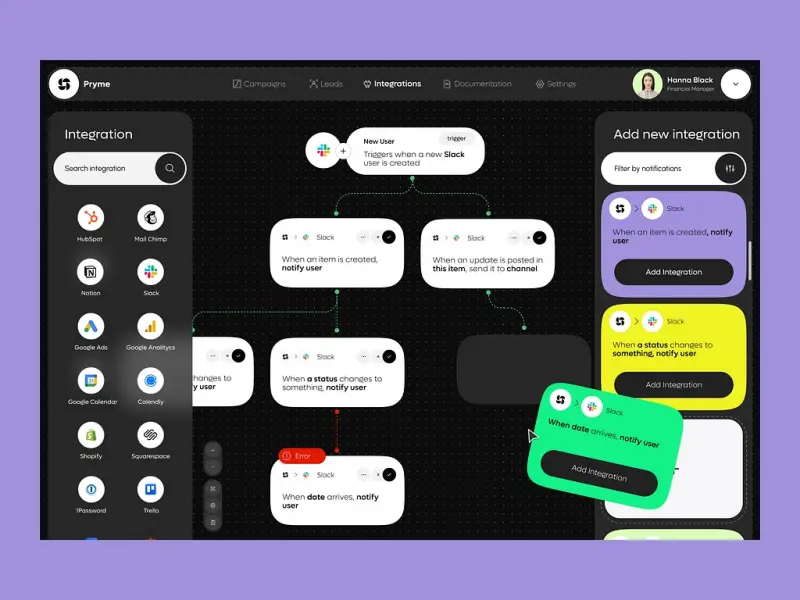
Software maintenance tips
Automated testing and code reviews are critical for maintaining high-quality software and reducing technical debt.
This dual approach ensures that your software remains robust, secure, and ready to adapt to future requirements.
In an era where cybersecurity threats evolve rapidly, staying ahead of vulnerabilities is a must. Proactive security maintenance protects both your software and your reputation.
By building a culture of security-first thinking, you can safeguard your software and instill confidence in your users.
Continuous Integration and Continuous Deployment (CI/CD) pipelines are transformative tools for automating and streamlining the build, test, and deployment processes.
With CI/CD, your maintenance process becomes faster, more reliable, and less disruptive to your end-users.
Proactive performance monitoring is one of the most important steps of software maintenance, helping teams identify and address issues before they escalate.
By continuously analyzing and optimizing performance, you can deliver a seamless experience for your users while minimizing downtime.
Innovation doesn’t stop at deployment. To keep your software relevant, your team must be committed to learning and adapting.
By fostering an environment of continuous improvement, you can ensure that your software evolves alongside user needs and industry trends.
Scalability isn’t just a feature—it’s a mindset. Designing your software with the future in mind reduces the complexity of maintenance and supports long-term growth.
A forward-thinking approach to scalability ensures that your software can adapt to new challenges and opportunities with ease.
Software maintenance is more than a technical necessity; it’s a strategic investment in the longevity, performance, and scalability of your applications. By adopting a proactive approach and following best practices, you ensure your software evolves alongside your business goals and remains secure, efficient, and future-proof. Whether it’s addressing bugs, enhancing functionality, or preparing for the next big innovation, software maintenance is the key to unlocking long-term value for your organization.
At TECHVIFY, we specialize in delivering tailored software maintenance and development solutions designed to align with your unique business goals. Contact us today for a free consultation and let’s discuss how we can help you optimize and future-proof your software.
TECHVIFY – Global AI & Software Solution Company
From Startups to Industry Leaders: TECHVIFY prioritizes results, not just deliverables. Accelerate your time to market and see ROI early with high-performing teams, AI (including GenAI) Software Solutions, and ODC (Offshore Development Center) services.