SaaS Development Cost Breakdown: What Influences Pricing in 2025
Loading...
The TECHVIFY Team is a group of experienced professionals passionate about technology and innovation.
Software-as-a-service (SaaS) has become a true game-changer for businesses across industries. From traditional accounting firms to cutting-edge tech startups, organizations of all sizes are rapidly adopting the SaaS model to streamline operations, reduce costs, and gain a competitive edge.
The demand for SaaS products has skyrocketed over the years, and it shows no signs of slowing down. But while SaaS offers undeniable benefits over traditional delivery models, running a successful SaaS business isn’t as simple as it may seem. Success requires careful planning, strategic execution, and a keen understanding of industry trends.
Let’s dive into some key factors that affect SaaS development cost and why it’s the future of software delivery.
To understand the explosive growth of SaaS, take a look at these compelling data points:
These statistics paint a clear picture: SaaS is here to stay, and its influence is only growing. Businesses that adopt the SaaS model now are positioning themselves for long-term success.
Still want to see more SaaS articles? Check here:
If you’re planning to build a SaaS product, one of the most important considerations is cost. Developing a SaaS application involves a range of factors that directly impact the budget. Here’s a closer look at some of the major cost drivers:
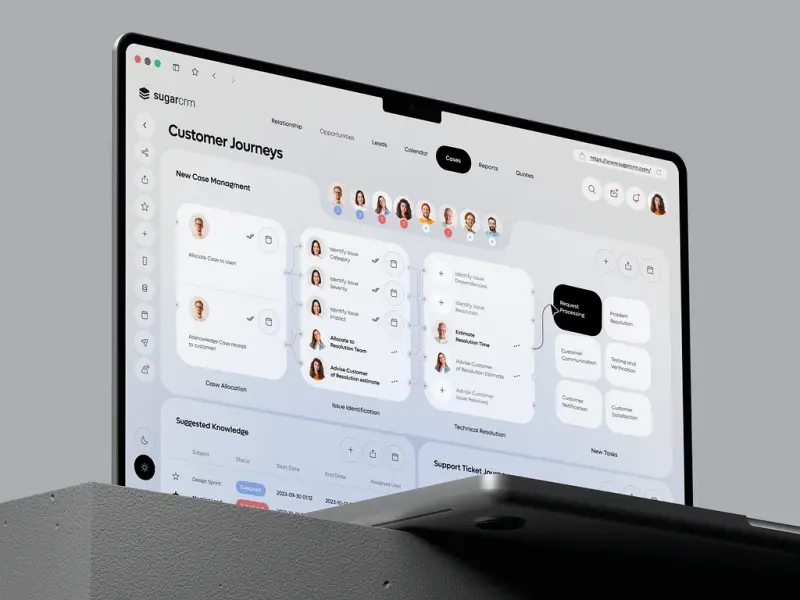
Cost to develop SaaS software
The business logic of your application defines how it works, what it’s designed to achieve, and the results it delivers to users. It’s essentially the backbone of your SaaS product and influences key aspects like:
For example, if you’re looking to develop Electronic Health Records (EHR) software, the cost of copying an existing competitor’s functionality could reach up to $300,000.
The technological architecture of your SaaS product refers to how its various components are structured and interact to meet your business and technical requirements.
Key elements that affect development costs include:
A robust architecture ensures your SaaS product can handle growth and deliver a seamless experience to users—but it can also increase upfront development expenses.
User Experience (UX) and User Interface (UI) design play a pivotal role in determining how users interact with your SaaS application. Everything from actionable features to the layout of the app depends on thoughtful UX/UI design.
The impact on costs? A more complex design with advanced features and customizations will require additional time and effort from front-end developers, increasing the overall development cost.
Have a Project Idea in Mind?
Get in touch with experts for a free consultation. We’ll help you decide on next steps, explain how the development process is organized, and provide you with a free project estimate.
When it comes to building a SaaS application, one of the biggest questions on every business owner’s mind is, “How much will it cost?” The answer, however, isn’t as straightforward as a single number. The cost of developing a SaaS app depends on several factors, including the app’s complexity, the team you hire, and even the geographical location of your developers.
Let’s explore these cost factors in detail so you can better understand what goes into creating a SaaS product and make informed decisions for your project.
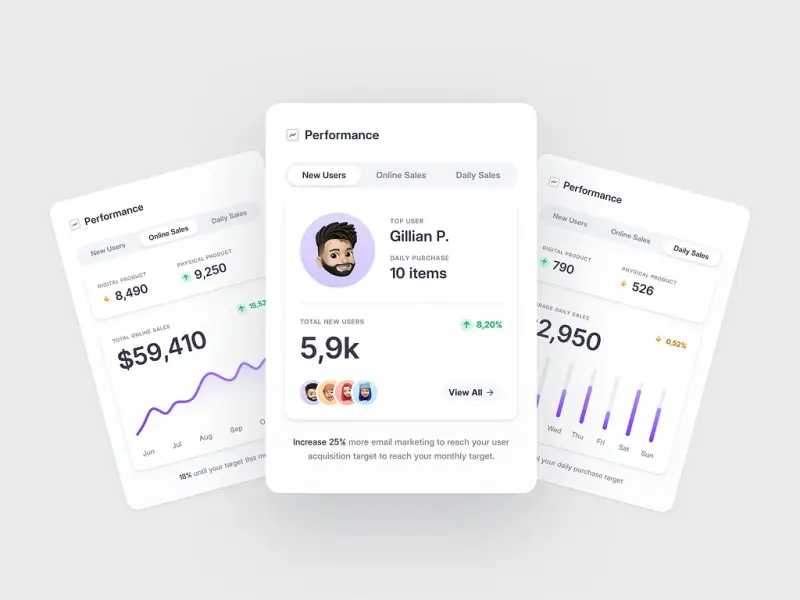
SaaS development cost
The complexity of your SaaS application is one of the most significant cost drivers. Apps with advanced features, multiple integrations, and high security requirements naturally cost more to develop. Here’s why:
For example, if your app needs advanced data protection and scalability features, expect higher costs due to the expertise and ongoing maintenance required. Additionally, the more features and roles your app has, the longer the development process will take, further driving up costs.
To give you a clearer picture, here’s a breakdown of SaaS app development costs based on complexity:
| Level of Complexity | Approximate Costs |
|---|---|
| Micro SaaS | $10,000–$15,000 |
| Basic SaaS | $30,000–$35,000 |
| Average SaaS | $50,000–$60,000 |
| Complex SaaS | $140,000–$150,000 |
Building a SaaS app isn’t a one-step process. Developers must go through multiple stages, from initial planning to the final launch. Each stage comes with its own costs, depending on the time and effort required.
| Stage of Development | Average Hours | Approximate Costs |
|---|---|---|
| Validation & Planning | 30–200 | $30,000–$75,000 (MVP) |
| MVP Creation | 250–300 | $30,000–$70,000 (MVP) |
| UI/UX Design | 100–220 | $3,000–$5,500 |
| Front-End Development | 350–550 | $10,000–$30,000 |
| Back-End Development | 650–850 | $16,000–$56,000 |
As you can see, stages like back-end development and MVP creation often require the most time and resources, making them the costliest phases of development.
The type of SaaS solution you’re building also impacts costs. Some apps require only basic features, while others demand advanced functionality, integrations, and scalability—each adding to the price tag.
| SaaS Solution Type | SaaS MVP Approximate Costs | Example |
|---|---|---|
| Accounting | $70,000–$80,000 | QuickBooks |
| CRM | $50,000–$60,000 | Freshworks |
| Email Marketing | $60,000–$70,000 | Mailchimp |
| ERP | $110,000–$120,000 | NetSuite |
| Martech | $90,000–$100,000 | HubSpot |
| Project Management | $60,000–$70,000 | Confluence |
| Visual Website Builder | $140,000–$150,000 | Weblium |
For example, creating an ERP system like NetSuite or a visual website builder like Weblium will require more advanced features and integrations, leading to higher costs.
The team you choose to develop your SaaS app plays a critical role in determining costs. Different team types come with their own pricing structures, pros, and cons. For instance:
| Team Type | Approximate Costs |
|---|---|
| In-House | $130,000–$140,000 |
| Local Agency | $170,000–$180,000 |
| Freelancers | $40,000–$50,000 |
| Outsourcing Agency | $70,000–$80,000 |
Where your development team is located can significantly impact the cost of building your SaaS app. Development costs vary widely across regions, even for the same level of expertise and project complexity. Vietnam, in particular, has emerged as a popular outsourcing destination due to its highly skilled developers and competitive pricing.
| Geographical Location | Approximate Pricing |
|---|---|
| USA | $170,000–$180,000 |
| UK | $140,000–$150,000 |
| Eastern Europe | $50,000–$60,000 |
| Western Europe | $90,000–$100,000 |
| Vietnam | $30,000–$45,000 |
For example, choosing developers in Vietnam can save you a significant amount compared to regions like the USA or Western Europe, while still delivering quality results. Vietnam has become a major hub for outsourcing, thanks to its growing tech talent pool, affordability, and reliable project delivery.
Learn More On:
Developing a SaaS product is no small undertaking, and it often requires a significant financial investment. However, whether you’re a startup working with a tight budget or a large organization aiming to optimize resources, there are practical strategies you can implement to reduce the cost of building your SaaS application—without compromising on quality or core features.
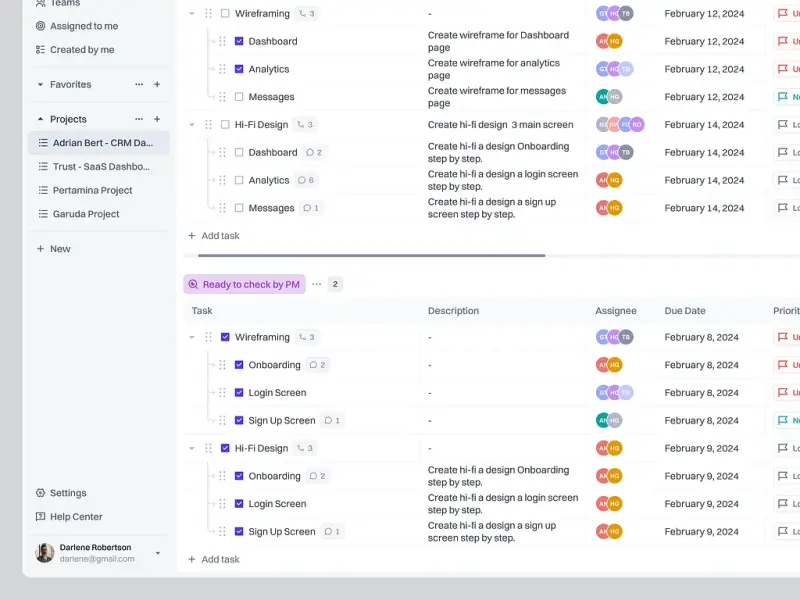
Cost to build saas product
The team you assemble to develop your SaaS product plays a critical role in determining your overall costs. Here are a few ways to optimize your team and reduce expenses:
By carefully structuring your team, you can achieve the perfect balance between quality and cost-efficiency.
Building every feature from scratch can be time-consuming and expensive. Instead, consider integrating third-party services to handle specific functionalities.
Using third-party services not only reduces development time but also ensures you’re relying on battle-tested solutions that are secure and scalable.
Hosting costs can quickly add up, especially for SaaS applications that need to scale. Flexibility with your hosting choices can make a big difference in your budget.
By carefully selecting and managing your hosting solutions, you can ensure scalability without overspending.
Outsourcing is one of the most effective ways to reduce SaaS development costs. By working with external agencies or freelancers, you can save on overhead expenses like salaries, office space, and equipment.
Outsourcing allows you to access a global talent pool while keeping your costs under control.
understanding the factors that influence SaaS development costs and leveraging cost-saving strategies can help you build a high-quality product without overspending. Whether you’re a startup or an established business, making informed decisions about your team, hosting, third-party services, and outsourcing can significantly reduce your costs while ensuring the success of your SaaS solution.
Have a SaaS idea but unsure about the costs? Get a free consultation with our expert team to discuss your project, receive a tailored cost estimate, and explore how we can bring your vision to life. Don’t wait—contact TECHVIFY today and start building your SaaS product efficiently and affordably!
TECHVIFY – Global AI & Software Solution Company
From Startups to Industry Leaders: TECHVIFY prioritizes results, not just deliverables. Accelerate your time to market and see ROI early with high-performing teams, AI (including GenAI) Software Solutions, and ODC (Offshore Development Center) services.