The Ultimate Guide to Mobile App Performance Optimization

Loading...
The TECHVIFY Team is a group of experienced professionals passionate about technology and innovation.
Mobile app performance often goes unnoticed—until something goes wrong. A slow-loading app is one of the quickest ways to lose users, making performance a silent but critical factor in ensuring user satisfaction and maintaining a competitive edge in crowded marketplaces like the Google Play Store and Apple App Store, which host 3.6 million and 1.6 million apps, respectively.
Even the smallest delays can drive users to alternatives. Research shows that 70% of users are likely to abandon an app due to prolonged loading times. This not only impacts user retention but also negatively affects ratings, which can hurt your app’s visibility, discoverability, and download rates in app stores.
In short, app performance isn’t just a technical consideration—it’s a core driver of user experience and business success. Optimizing performance is no longer optional; it’s essential. In this article, we’ll dive into actionable strategies to truly optimize mobile app performance and ensure it meets the high expectations of today’s users.
Mobile app performance refers to how efficiently and effectively an app functions on a mobile device under various conditions. This typically includes technical aspects such as loading speed, response time, and stability—essentially, how well the app performs without crashing or lagging. For product teams, keeping an eye on these metrics is essential to delivering a seamless user experience.
However, monitoring app performance is easier said than done. It requires a deep understanding of how the app behaves under different scenarios, including how users interact with it. While extensive testing helps, users often engage with apps in unexpected ways—exposing hidden issues that teams might not even know exist.
Learn More On:
App performance refers to how effectively and reliably a mobile application operates to provide a seamless user experience. It’s about ensuring that critical aspects like loading speed, stability, and responsiveness perform optimally under all conditions. Metrics such as app launch time, UI responsiveness, and network performance are key indicators of user satisfaction and, ultimately, the success of your app in the market.
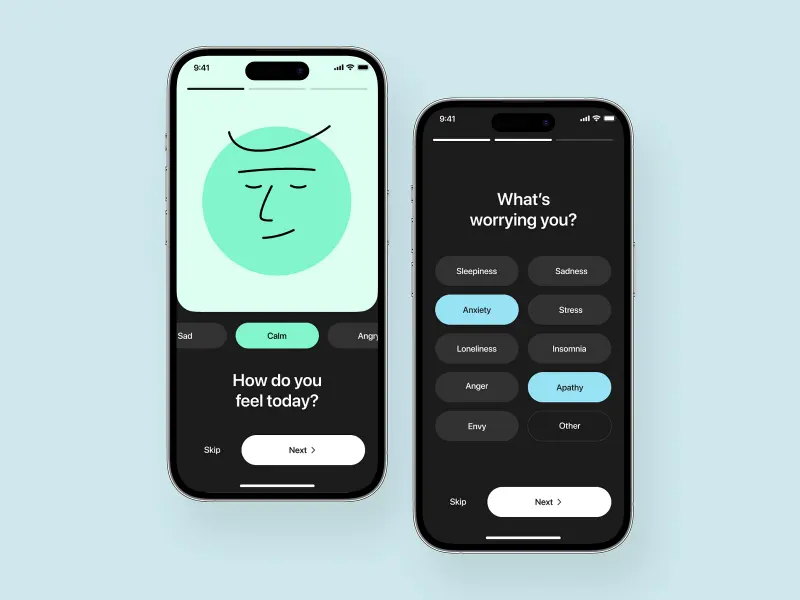
Mobile app performance optimization
Below are the most important performance metrics to monitor and optimize:
The time it takes for your app to load and become fully functional after a user opens it.
Targets:
Why It’s Important: Faster launch times enhance user satisfaction, reduce abandonment rates, and encourage retention.
The delay between user input and the app’s response.
Target: Ideally under 100 milliseconds to avoid lag or UI hangs.
Why It’s Important: A responsive interface ensures smooth interactions, improving user satisfaction and preventing frustration.
Measures client-side requests and response times.
Target: Response times of 1 second or less.
Why It’s Important: Fast network performance ensures the app remains responsive and functional, even under variable network conditions. Slow response times can lead to user frustration and app abandonment.
The time taken to render each frame of the app.
Target: Approximately 17 milliseconds per frame to maintain smooth visuals. Delays can lead to frozen frames or ANRs (Application Not Responding errors).
Why It’s Important: Smooth rendering improves the perceived speed of your app and reduces user complaints about laggy or unresponsive screens.
Ensures the app operates seamlessly on a variety of devices and operating systems.
Why It’s Important: Compatibility issues can lead to crashes, functional errors, and a poor user experience, especially in ecosystems like Android with diverse devices and specifications.
Measures the time it takes for specific client-side logic or processes to execute.
Target: Execution within 2 seconds.
Why It’s Important: Identifying and optimizing slow traces helps improve responsiveness and overall app performance.
Tracks CPU, memory, and disk usage.
Why It’s Important: High resource consumption can cause issues like device overheating, battery drain, and out-of-memory errors, which negatively affect user satisfaction and app ratings.
Have a Project Idea in Mind?
Get in touch with experts for a free consultation. We’ll help you decide on next steps, explain how the development process is organized, and provide you with a free project estimate.
Improving mobile app performance is vital to delivering a seamless user experience and ensuring app success. Follow these practical steps to optimize your app’s functionality, responsiveness, and reliability:
The first step in improving app performance is to analyze user engagement and behavior. By stepping into the shoes of your customers, you can identify both the positive aspects of their experience and the pain points that hinder usability.
Tools like experience analytics help you visualize how users interact with your app, enabling you to address performance issues that impact their journey. Once you understand these behaviors, you can fine-tune your app to meet user expectations and improve functionality.
Modern users are impatient and expect apps to load in the blink of an eye. To reduce launch time:
By streamlining the startup process, you can ensure your app launches quickly and keeps users engaged from the start.
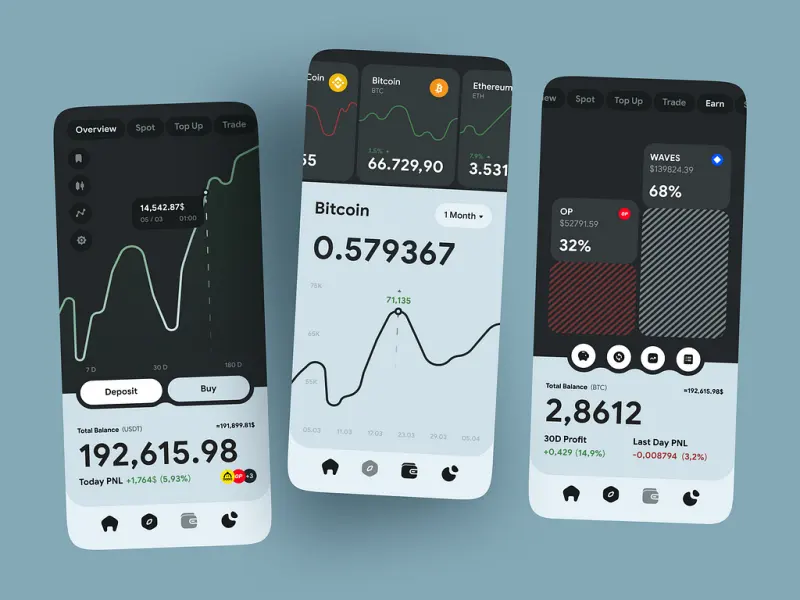
How to improve mobile app performance
Loading multiple templates can significantly impact app speed. Whenever possible, reuse pre-loaded templates to reduce rendering time and improve performance. This approach minimizes redundant tasks and ensures smoother transitions within the app.
While extra features may enhance your app’s visual appeal, they can also slow it down. Focus on streamlining your app by cutting non-essential features and prioritizing the ones critical to its functionality. This not only improves speed and responsiveness but also makes the app more intuitive for users.
Users often lose network connectivity, but that shouldn’t stop them from using your app. An offline mode ensures users can continue accessing key functionalities even without internet access.
Here’s how to create an effective offline mode:
This feature enhances user satisfaction and reduces churn by preventing negative experiences caused by connectivity issues.
Your users will interact with your app on a variety of devices with different hardware, battery life, and operating systems. Testing across multiple devices ensures your app performs consistently regardless of the device type.
Key benefits of multi-device testing:
By testing your app thoroughly, you can deliver a consistently optimized experience for all users.
Even with rigorous testing, app crashes are inevitable. The key is to monitor crashes effectively and resolve them quickly to minimize user frustration.
Here’s how to stay on top of crashes:
By proactively identifying and addressing crash-related issues, you can maintain user trust and keep your app running smoothly.
Observability data plays a critical role in improving mobile app performance, providing developers with actionable insights into how their app behaves across different layers, such as application code, infrastructure, and network. Metrics, logs, and traces form the backbone of observability, driving better performance optimization and issue resolution.
Improve Mobile App Performance
Below are key ways observability enhances performance monitoring:
Mobile app performance is more than just a technical benchmark—it’s a critical driver of user satisfaction, retention, and long-term business success. By prioritizing optimization and leveraging data-driven insights, you can ensure your app meets the high expectations of today’s users and stands out in competitive app marketplaces.
At TECHVIFY, we understand the challenges of delivering high-performing mobile apps. Whether you need help identifying bottlenecks, improving responsiveness, or scaling your app seamlessly across devices, our team of experts is here to help.
Contact TECHVIFY today for a free consultation and let us help you create a mobile app that delivers real value and drives results. Together, we can turn your app into a top performer.
TECHVIFY – Global AI & Software Solution Company
From Startups to Industry Leaders: TECHVIFY prioritizes results, not just deliverables. Accelerate your time to market and see ROI early with high-performing teams, AI (including GenAI) Software Solutions, and ODC (Offshore Development Center) services.