Loading...
The TECHVIFY Team is a group of experienced professionals passionate about technology and innovation.
Most people are familiar with online shopping through websites, but mobile shopping has taken things a step further. To understand the difference between e-commerce and m-commerce, it helps to look at how people shop. E-commerce usually refers to buying and selling through websites on desktops or laptops. M-commerce, on the other hand, happens on mobile devices through apps or mobile-optimized sites.
The e-commerce and m-commerce difference becomes clear when you consider user behavior. Mobile shoppers want speed, convenience, and personalized experiences. With smartphones and fast internet, more people are choosing to shop on the go. This shift is pushing businesses to create mobile-first experiences that meet customers where they are.
To stand out, it’s important to differentiate between e-commerce and m-commerce and take advantage of what mobile technology offers. Whether it’s push notifications, mobile wallets, or easy one-click checkouts, the future of online shopping is increasingly mobile.
E-commerce, or electronic commerce, is the process of buying and selling products or services over the internet, usually through websites accessed by desktop or laptop. It began in 1994 and has since grown into a global industry, covering everything from physical goods to digital products and services. Platforms like Amazon and Shopify have made it easier for businesses to reach customers worldwide, offering tools for inventory, payments, and marketing.
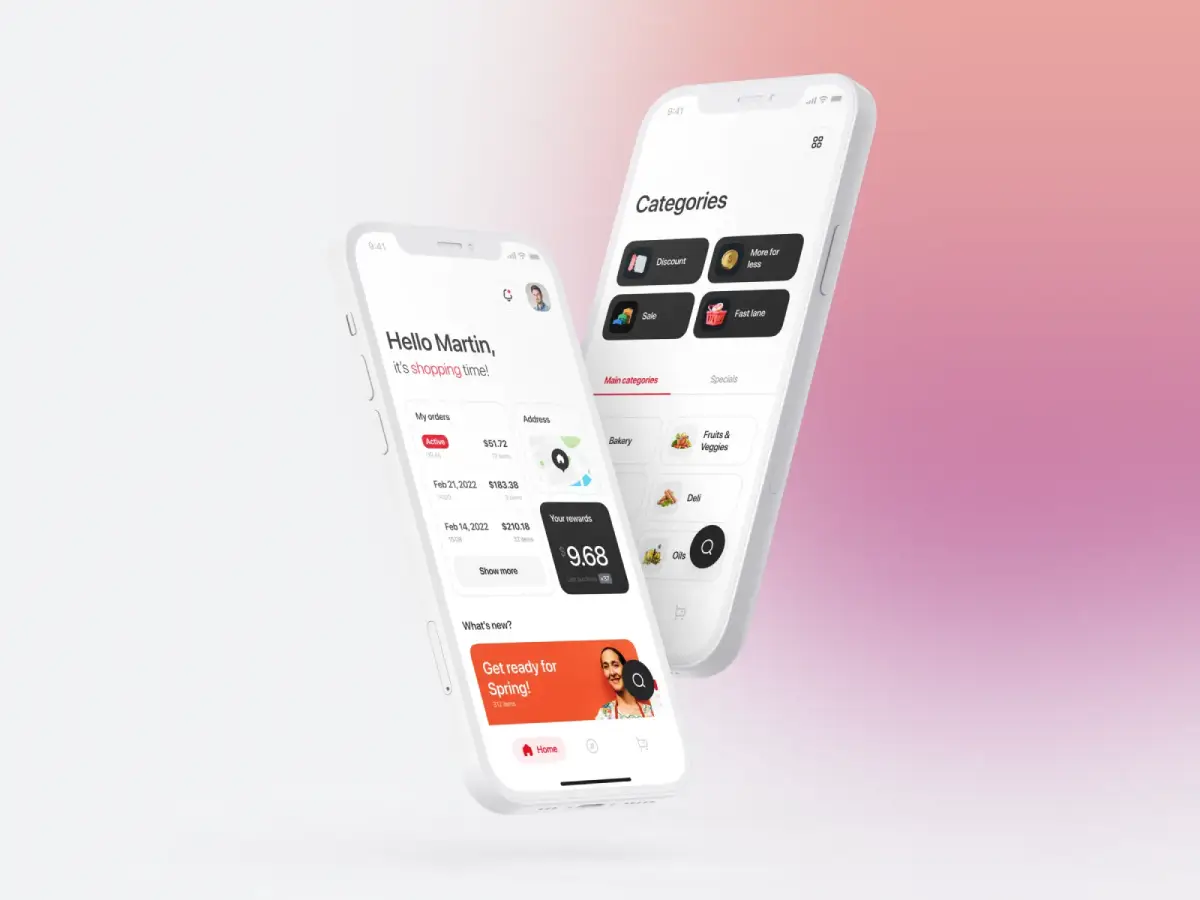
E-commerce app
While e-commerce remains the foundation of online retail, m-commerce, or mobile commerce, is quickly gaining ground. It refers to transactions that happen on mobile devices like smartphones and tablets. The key difference between e-commerce and m-commerce lies in how people access these platforms. E-commerce typically happens on a larger screen, while m-commerce is designed for shopping on the go, often through mobile apps or responsive websites.
Understanding the m-commerce and e-commerce difference is essential for modern businesses. With mobile shopping expected to account for nearly 43% of all e-commerce sales by 2024, companies must optimize both desktop and mobile experiences. While e-commerce offers depth and functionality, m-commerce focuses on speed, ease, and accessibility—making both crucial parts of a successful online strategy.
M-commerce, or mobile commerce, is a growing subcategory of e-commerce that takes place on mobile devices like smartphones and tablets. As mobile technology improves, so does the user experience. Fast internet, secure mobile payments, and intuitive shopping apps have made it easier than ever for consumers to shop on the go. This is where we begin to differentiate between e-commerce and m-commerce—not just in terms of devices used, but also in user behavior and expectations.
Learn More On:
The difference between e-commerce and m-commerce is more than just screen size. Mobile shoppers want speed, simplicity, and convenience. They expect quick checkouts, mobile wallets, and personalized recommendations. As mobile use increases, businesses that don’t adapt risk falling behind.
The stats say it all. In 2022, mobile commerce in the US was expected to generate $423.24 million in revenue. Shopify projects that by 2024, mobile commerce volume will reach $620.97 billion, accounting for nearly 43% of all e-commerce sales. These numbers clearly show how quickly shopping habits are shifting.
Understanding the e-commerce and m-commerce difference is crucial for businesses aiming to stay relevant. It’s no longer enough to just have an online store. To truly connect with today’s consumers, brands need to optimize for mobile, invest in app development, and create seamless mobile shopping experiences.
M-commerce is growing fast, and it’s easy to see why. With almost everyone glued to their smartphones these days, mobile shopping is more convenient than ever. But to really keep up in the world of online retail, it’s important to understand the difference between e-commerce and m-commerce.
Let’s break it down in simple terms and explore the main e-commerce and m-commerce differences that matter most.
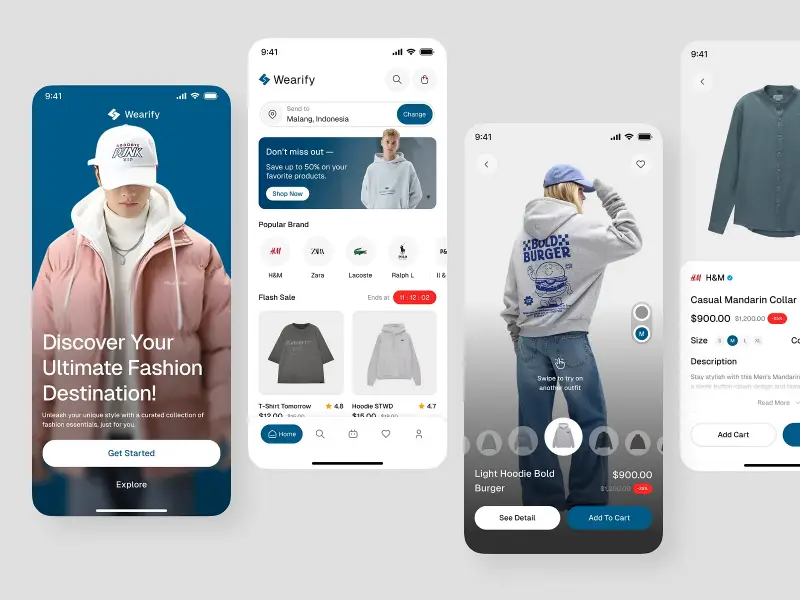
m-commerce and e-commerce difference
One of the biggest m-commerce and e-commerce differences is mobility.
E-commerce usually happens through desktops or laptops. That means you need to sit down, open your computer, and maybe even wait for it to boot up—just to shop.
M-commerce changes that game. With mobile apps, all it takes is a quick tap on your phone. Whether you’re on the bus, waiting in line, or lying on the couch, you can browse, compare, and buy products instantly.
Mobile wallets like Apple Pay and Google Pay make checking out super fast, turning those last-second, impulse purchases into actual sales.
When you’re trying to grab someone’s attention, email just doesn’t cut it anymore. Emails often get buried or marked as spam.
M-commerce apps, however, can send push notifications—short, real-time messages that pop up directly on a user’s phone. These notifications can include images, offers, or alerts, making them more eye-catching and engaging.
Plus, they’re less intrusive and more likely to be seen. With high opt-in rates, push notifications give retailers a direct line to their customers—something that traditional e-commerce just can’t match.
Another key difference between e-commerce and m-commerce is how location is used.
On desktops, location tracking is limited to an IP address, which only gives a rough idea of where a shopper is.
But mobile phones come with built-in GPS, Wi-Fi, and cellular tracking. That means m-commerce apps can pinpoint a user’s location and send them personalized offers based on where they are.
Imagine getting a special coupon as you walk by your favorite store. That’s the power of m-commerce.
Have a Project Idea in Mind?
Get in touch with experts for a free consultation. We’ll help you decide on next steps, explain how the development process is organized, and provide you with a free project estimate.
Security is a major concern, especially with the rise of online fraud.
Traditional e-commerce transactions often rely on credit cards and basic login credentials, which aren’t always secure. Hackers can exploit weak passwords or steal card info.
M-commerce offers better options. Phones can use biometric authentication like fingerprints or facial recognition, adding an extra layer of protection. Many apps also use device-based verification, making it harder for fraudsters to gain access.
So when it comes to keeping shoppers safe, m-commerce has the edge.
One of the biggest perks of m-commerce is how far it can go—literally.
Thanks to the portability of mobile devices, m-commerce allows businesses to connect with customers no matter where they are. Whether someone is commuting, walking around town, or relaxing at home, they can easily browse and buy from their phone. This gives mobile commerce a far wider reach compared to traditional e-commerce.
E-commerce, on the other hand, relies on desktops or laptops. Since those devices usually stay put at home or in the office, the reach is more limited. That’s a major m-commerce and e-commerce difference—mobile shopping travels with the customer, while desktop shopping waits for them to come back.
Let’s talk about how you pay.
With e-commerce, you’re often stuck typing in your card details every time you shop. It works, but it’s not the most convenient.
M-commerce takes things a step further by offering a smoother, faster checkout experience. Thanks to mobile wallets and one-tap payment options, users can complete a purchase in seconds—no need to fill out long forms or dig out your credit card.
Some popular mobile payment options include Apple Pay, Google Pay, Amazon Pay, and PayPal One-Touch. These tools make it easier for users to shop on the go, especially during flash sales or limited-time offers.
This is another key difference between e-commerce and m-commerce. While both allow online transactions, m-commerce focuses on speed, ease, and convenience—all with just a tap.
In today’s digital world, both e-commerce and m-commerce have completely transformed how businesses sell and how customers shop. While they share many similarities, it is also important to differentiate between e-commerce and m-commerce to fully understand the unique benefits each one brings to the table.
Let’s explore the key advantages of both, and how strong web development supports their growth.
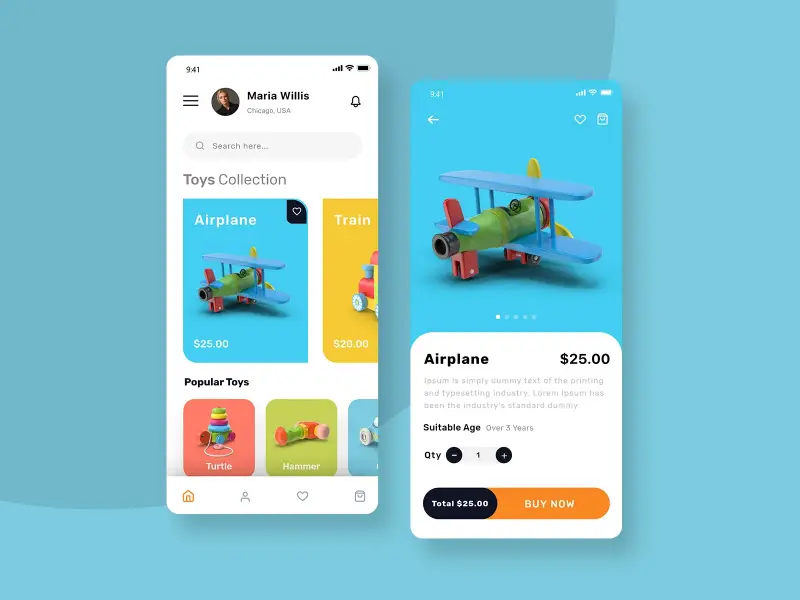
Difference between e-commerce and m-commerce
One of the biggest benefits of e-commerce and m-commerce is the ability to reach customers around the world. Businesses are no longer limited by physical locations. With a website or mobile app, they can connect with people anywhere.
Another advantage is that both platforms are always available. Customers can shop at any hour, whether they are using a desktop for e-commerce or a smartphone for m-commerce. This round-the-clock access increases convenience and gives customers more freedom to shop whenever it suits them.
The ease and accessibility of online shopping often lead to more sales.
E-commerce websites allow users to shop from the comfort of their homes. M-commerce takes it one step further by allowing people to make purchases while on the move. This difference between e-commerce and m-commerce makes mobile shopping a great option for busy users and impulse buyers.
Mobile features like push notifications, limited-time offers, and one-click checkouts help boost conversions and increase order values.
Compared to physical stores, e-commerce and m-commerce are more cost-effective. There is no need to pay for retail space or hire a large team. Businesses can manage everything online, from product listings to inventory updates.
This flexibility allows companies to respond quickly to changes in demand. With the help of modern web development, updates can be made instantly without needing to shut down operations or make major changes.
Both e-commerce and m-commerce provide a smooth and user-friendly shopping experience. However, mobile commerce offers some added advantages.
For example, m-commerce apps can use a customer’s location to send nearby offers or personalized messages. Mobile-friendly design also ensures that users have a consistent experience across different screen sizes. This m-commerce and e-commerce difference helps businesses deliver a more customized and engaging experience.
Good web development plays a key role here. A well-designed website or app makes it easier for customers to browse, find products, and complete their purchases.
Online platforms collect a lot of useful data about customer behavior, preferences, and shopping habits. This information can be used to improve marketing strategies and offer more personalized experiences.
Web development services can help integrate tools that track and analyze this data. Businesses can then use these insights to send targeted messages, recommend products, and create better shopping journeys. This leads to stronger customer relationships and more repeat business.
Having an online presence is essential for staying relevant in today’s market. Businesses that use both e-commerce and m-commerce are better positioned to grow and compete.
By offering modern features and keeping the user experience fresh, companies can stand out and attract more customers. Web development services help bring these innovations to life, whether through improved design, faster load times, or new tools that make shopping easier.
Understanding the e-commerce and m-commerce difference also helps businesses stay ahead of trends and meet changing customer expectations.
Learn More On:
With technology advancing faster than ever, the future of both e-commerce and m-commerce looks incredibly exciting. These platforms have already transformed how we shop, and the innovations on the horizon will continue to shape customer experiences in new and powerful ways.
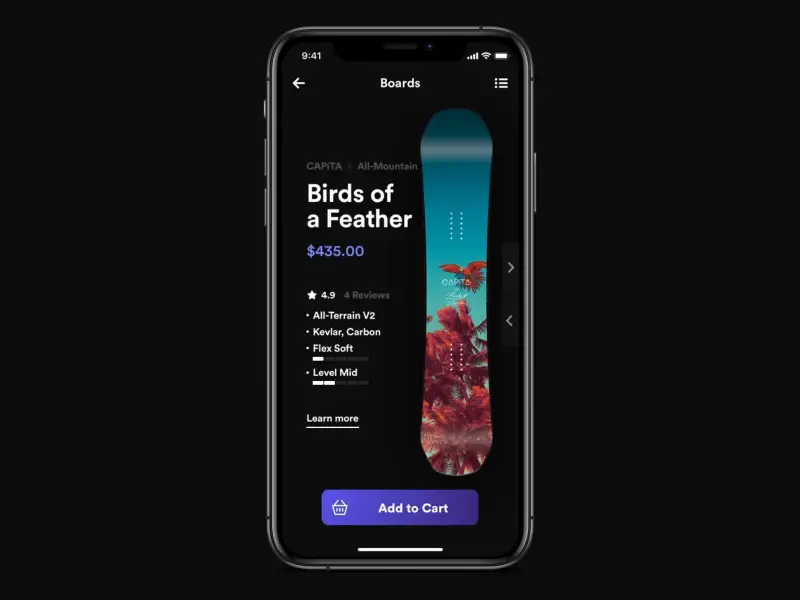
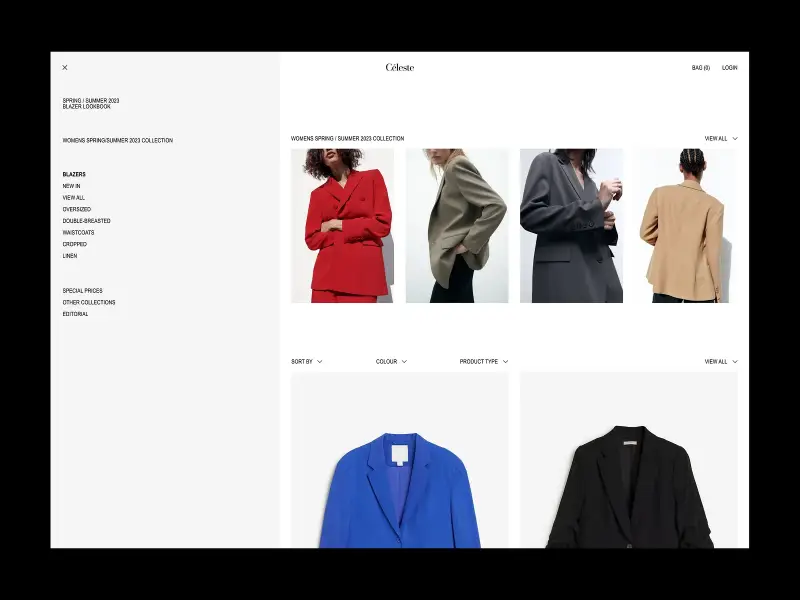
Differentiate between e-commerce and m-commerce
Here’s a glimpse of what the future might bring.
As digital technology continues to evolve, understanding how to differentiate between e-commerce and m-commerce is no longer just helpful — it’s essential. Both platforms offer unique strengths and serve different customer needs. While e-commerce provides a solid foundation, m-commerce brings mobility, personalization, and real-time engagement to the table.
If you’re looking to future-proof your business, now is the time to take action. Whether you’re just getting started or planning to upgrade your online presence, the right partner can make all the difference. Contact TECHVIFY today for a free consultation and let our expert team help you build powerful, user-focused e-commerce or m-commerce solutions tailored to your goals. No pressure, just real solutions.
TECHVIFY – Global AI & Software Solution Company
From Startups to Industry Leaders: TECHVIFY prioritizes results, not just deliverables. Accelerate your time to market and see ROI early with high-performing teams, AI (including GenAI) Software Solutions, and ODC (Offshore Development Center) services.