Loading...
The TECHVIFY Team is a group of experienced professionals passionate about technology and innovation.
As businesses handle more data, the demand for cloud solutions continues to grow. Cloud application development aids companies across industries by simplifying data sharing and storage, enhancing security, reducing costs, and boosting efficiency. According to Mordor Intelligence, the cloud computing market is projected to expand significantly, from $0.68 trillion in 2024 to $1.44 trillion by 2029.
With cloud solutions gaining popularity, TECHVIFY is here to guide you through the cloud native application development process, its benefits, key technical aspects, and more.
Cloud application development involves creating software that operates over the Internet rather than on local computers or servers. These applications store data and perform processing tasks online, facilitated by remote data servers provided by cloud service providers.
A cloud app functions as follows: The user interacts with the application via a browser, which communicates with a remote server using an API. The server processes the data and returns the results through the same API, which the browser then displays. The user’s device acts merely as an input mechanism, without affecting the cloud app’s functionality.
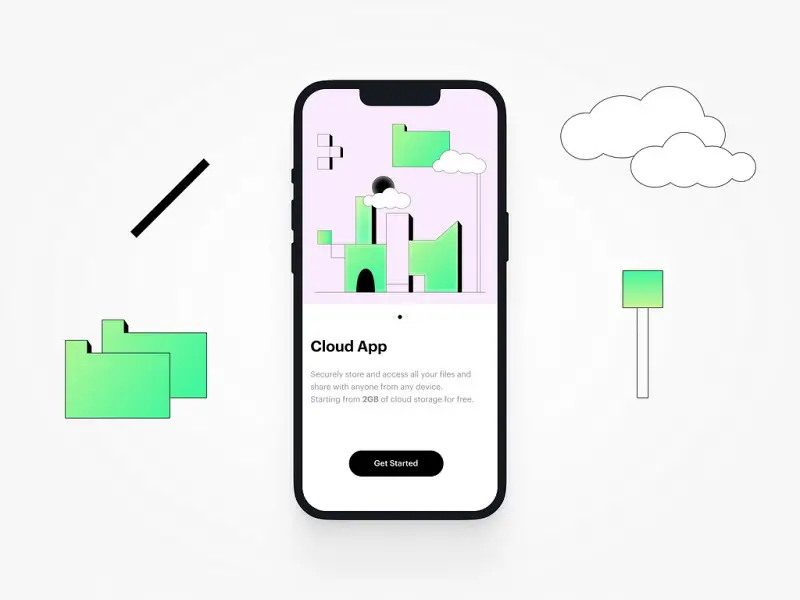
Cloud platforms allow access to information from any device or location, ensuring continuous connectivity. Organizations using cloud-sharing services often see higher employee engagement and satisfaction compared to those using local hosting solutions.
Cloud-native applications also provide valuable customer data insights, enhancing data access speed and user experience. For instance, Appinventiv developed a cloud-based data analytics platform for a leading telecom company, improving data accessibility by 85% and optimizing customer data management.
Cloud applications offer greater flexibility than local server hosting. Cloud services can meet this demand immediately if additional bandwidth is needed, avoiding lengthy infrastructure updates.
Paired with AI technologies like chatbots and assistants, cloud services enhance customer experiences. For example, Appinventiv created an AI-based analytics platform on the cloud for a global bank, boosting its CRM system and customer retention. The bank’s cloud-based conversational AI handled 50% of customer requests, reducing manpower costs by 20%.
Cloud hosts prioritize data security, often more efficiently than traditional in-house systems. Cloud software development also simplifies compliance with government security standards and provides automated updates and data recovery.
Cloud services operate on a pay-as-you-go model, charging only for the space and features needed. This system applies to all cloud deployment services, resulting in lower costs and higher efficiency.
Want to know more about Cloud Computing? Read now:
There are some features that most successful Cloud Applications will have:
Align stakeholders and developers on business goals during the discovery phase. Understand the client’s vision, goals, and desired outcomes to assess project complexity, estimate costs, and identify challenges. Prioritize development, possibly starting with a Minimum Viable Product (MVP) for quick market entry.
Decide whether to hire freelancers, build an in-house team, or outsource to a reputable software development company. Ensure the chosen team can provide ongoing updates and expand functionality as needed. Evaluate potential partners by asking about their experience, security measures, scalability solutions, and communication practices.
When planning the features of your cloud application, consider incorporating some essential elements that enhance user experience:
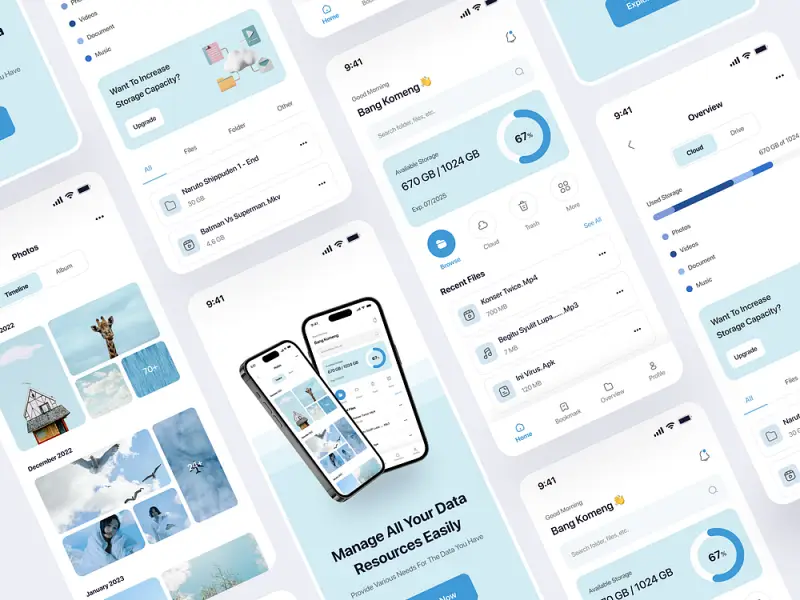
Various ways to structure components in a cloud-based application depend on the project requirements. Below are the four most common types of cloud application architecture:
When selecting a tech stack, consider the project’s scope, scalability, integration, and security needs. Popular options include Java, Python, Node.js, MySQL, PostgreSQL, MongoDB, Docker, Kubernetes, and various frontend frameworks like React and Angular.
The specifics of your cloud application’s user interface (UI) will depend on your preferences and your target audience. Nonetheless, consider these general guidelines when collaborating with your UI/UX design team:
Your cloud application should provide a seamless experience across different devices and operating systems. Ensure the design is versatile and adjusts well to various screen sizes and resolutions.
Users should find moving through the application’s features and sections effortless. Employ familiar navigation structures to make the interface intuitive, thus minimizing the learning curve.
Many users appreciate the flexibility to toggle between light and dark themes for enhanced readability and less eye strain. Ensure the UI supports dark mode and adapts to the user’s system preferences.
Plan for the application’s growth and the integration of new features over time. Design the UI to scale smoothly, ensuring the app remains efficient and user-friendly as it evolves.
Looking to Build a Cloud Native App?
Contact TECHVIFY – Vietnam’s Leading Offshore Software Development & Outsourcing Company, for consultation and development services.
Cloud application development typically follows either Agile or DevOps methodologies. The choice depends on the team’s preferences, project needs, and organizational culture. Here’s a brief look at each approach:
The Agile approach emphasizes breaking down development into smaller, manageable increments. Work is divided into short, defined periods called sprints, usually lasting between two and four weeks. Features are prioritized based on their business importance, and a usable product version is delivered at the end of each sprint. Testing is an integral part of each sprint to maintain continuous quality assurance.
Key Aspects:
DevOps focuses on bridging the gap between development and operations teams, fostering a collaborative environment throughout the application’s lifecycle. Key practices include continuous integration, continuous delivery (CI/CD), and automation. Continuous testing is a core principle, ensuring that each code change is automatically verified throughout development.
Key Aspects:
Spotify
Spotify uses container orchestration and cloud services to ensure its music streaming service is reliable and scalable. The platform leverages the cloud to manage enormous amounts of data and provide users with personalized music recommendations.
Netflix
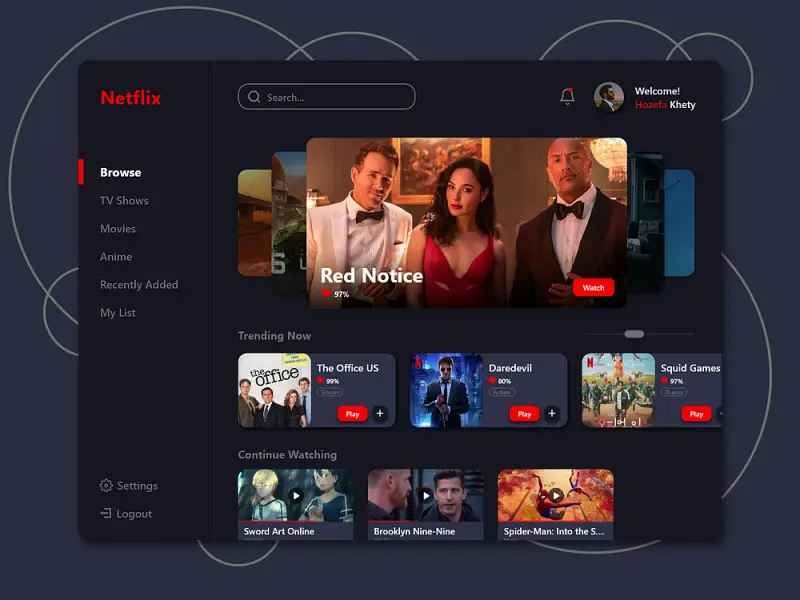
Netflix uses cloud technology extensively to deliver streaming video to millions of users worldwide. The company relies on Amazon Web Services (AWS) to handle data storage, transcoding, and distribution, ensuring a seamless viewing experience even during peak usage times.
Slack
Slack is a cloud-hosted platform designed for team collaboration. It allows users to communicate in real-time and share files seamlessly. The platform utilizes the cloud to maintain high availability and enable integration with other tools, making it a central hub for workplace productivity.
While cloud providers offer robust security measures, the responsibility of securing data often lies with the users. This includes managing access controls, encrypting sensitive data, and maintaining compliance with applicable laws and regulations.
Integrating cloud applications with existing systems can pose difficulties, particularly if the existing systems were not originally designed with cloud compatibility in mind. Proper API management and middleware solutions are crucial for smooth integration.
Ensuring optimal performance for cloud applications requires continuous monitoring and scaling. This involves using performance management tools to track metrics and adjust resources as needed to handle varying loads.
While cloud services can reduce costs, they can also lead to unexpected expenses if not managed properly. Implementing cost-monitoring tools and strategies can help prevent overspending and optimize resource usage.
Cloud native application development offers numerous benefits, including enhanced accessibility, flexibility, security, and cost savings. By understanding the essential features, selecting the right technologies, and addressing potential challenges, businesses can effectively leverage cloud solutions to achieve their goals. Whether developing new applications or migrating existing ones to the cloud, the right approach can greatly enhance operational efficiency and customer satisfaction.
For businesses planning to begin their cloud adoption journey, partnering with experienced developers like TECHVIFY can provide the expertise and support needed to navigate the complexities of cloud application development and achieve successful outcomes.
TECHVIFY – Global AI & Software Solution Company
For MVPs and Market Leaders: TECHVIFY prioritizes results, not just deliverables. Reduce time to market & see ROI early with high-performing Teams & Software Solutions.