Choosing the Best Types of EMR Systems in 2025
Loading...
The TECHVIFY Team is a group of experienced professionals passionate about technology and innovation.
Managing a healthcare practice without digital tools can be exhausting. If you’re constantly switching between paper files, spreadsheets, and outdated software to handle patient records, appointments, and billing, you’re likely wasting valuable time and energy. Without a reliable Electronic Medical Record (EMR) system, it’s easy to run into problems like errors, data loss, and security issues—all of which can impact the quality of care you provide.
Many clinics, especially smaller ones, still rely on generic or paper-based systems that don’t meet the unique needs of modern healthcare. Well-designed types of EMR systems do more than just store information. They help you work more efficiently, improves communication, and keeps sensitive data safe. Features like a user-friendly interface and customizable templates make it easier to manage day-to-day tasks without getting overwhelmed.
In this article, we’ll explore the different types of electronic medical records systems, what they offer, and how to choose the right one for your clinic. With nearly 86 percent of hospitals already using updated EHR solutions, now is the perfect time to learn what’s out there—and how the right system can transform the way you work.
Switching to an Electronic Medical Record (EMR) system isn’t just about going paperless—it’s about making your entire practice more efficient, secure, and patient-focused. Here’s how an EMR can make a real difference:
Learn More On:
Now that you understand why we need EMR, you might wonder what types of EMR systems are available and how they differ in function, cost, and usability. Below is a breakdown of one of the most common types of EMR software to help you make an informed choice.
Cloud-based EHR systems build on the foundation of SaaS platforms—one of the most advanced types of electronic medical record systems—by combining powerful technology with specialized services and expert support. While they offer the same web-based, always-updated software access as SaaS models, cloud-based systems go a step further by integrating operational services and regulatory expertise directly into the platform. This creates a more holistic solution designed not only to manage records but to actively assist practices in improving workflows and navigating complex healthcare requirements.
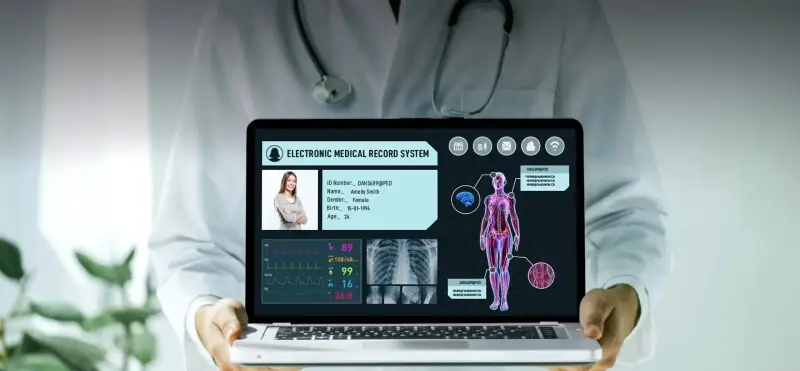
Different types of electronic medical records systems
This two-pronged model—technology plus support services—represents the most advanced evolution in electronic health records. In addition to robust software, practices gain access to back-office services such as claims management, billing support, regulatory compliance assistance, and sometimes even staffing resources. This can be especially valuable for practices facing hiring shortages or looking to scale operations without increasing administrative burden.
Similar to SaaS models, cloud-based EHR systems are typically offered on a subscription basis, with predictable monthly pricing. However, what sets them apart is the option to customize your plan with added services based on your practice’s evolving needs. This flexibility allows for long-term scalability while maintaining a high level of support and performance across clinical and administrative functions.
Application Service Provider (ASP) EMR systems are similar to traditional installed software, but with a key difference: the software is hosted off-site on servers maintained by the vendor, and users access it remotely via the internet. This setup eliminates the need for in-house servers and reduces the initial IT investment, making it an appealing option for smaller practices with limited budgets.
While ASP systems offer easier access and lower maintenance responsibilities than on-premises solutions, they are one of the types of EMR systems that still function in isolation. Patient data is stored within your specific instance of the software and cannot be shared with other providers, labs, or pharmacies. This lack of interoperability means your practice operates in a silo, limiting the potential for coordinated, cross-provider care.
It’s also worth noting that some ASP vendors may advertise their systems as “cloud-based,” but in most cases, they operate within a private or closed-cloud environment. While the system is web-accessible, it doesn’t offer the full scalability, data-sharing, or integration capabilities of a true cloud-based EMR platform. Practices looking for more flexibility and connectivity should be cautious of this distinction.
Software as a Service (SaaS) EMR systems represent the most modern and scalable approach to electronic health records. These platforms are accessed entirely through a web browser, with no need for local installations, servers, or in-house IT support. All data is stored securely in the cloud, and software updates, security patches, and new features are rolled out automatically by the vendor—ensuring that every user is always working on the latest, most secure version.
Unlike traditional or ASP models, SaaS EMRs operate on a shared infrastructure, where each practice accesses a secure instance of the same system. This architecture allows for real-time updates, seamless scalability, and data sharing across a broader healthcare ecosystem. Providers can benefit from access to shared clinical databases, and the system’s interoperability enables smooth communication with payers, clearinghouses, hospitals, labs, and pharmacies—enhancing the quality and efficiency of care.
This type of EMR software is typically offered on a subscription basis with predictable monthly pricing, making it more affordable and flexible for many practices. While they offer robust connectivity and automation features, it’s important to note that SaaS vendors tend to focus on software delivery rather than deep operational support. Practices that require services like automated claims resolution, medical coding, or AI-driven clinical documentation may need to supplement their system with third-party solutions or choose a vendor that integrates those capabilities directly.
Installed EMR software—often referred to as on-premises EMR—is the traditional model where the system is hosted on local servers or computers within your practice. This setup gives you full control over your data and infrastructure, but it comes with certain trade-offs.
To get started, your practice will likely need to invest in IT hardware and infrastructure. You may also need dedicated IT personnel to manage the software and ensure everything runs smoothly. Updates and patches must be installed manually, which can cause disruption and often come with additional costs.
One key limitation of installed EMR systems is their lack of interoperability. These systems typically cannot share data with external healthcare providers, meaning the information is siloed within your practice. A doctor using an on-premises EMR can only access records created and stored internally, with no visibility into the patient’s history from other clinics or hospitals.

Types of electronic medical record systems
A high-performing EMR system includes a wide range of tools that enhance clinical care, streamline operations, and support compliance. Here’s a look at the most essential features—presented in a new order:
Learn More On:
Finding the right type of EMR software starts with understanding your practice’s unique needs. Here’s how you can do it:
Start by evaluating your specific requirements. Does the EMR system offer features tailored to your specialty, whether it’s dermatology, cardiology, or behavioral health? Consider the size of your team—will the system scale as your practice grows? It’s also important to ensure the software supports your daily operations, including custom templates, e-prescribing, lab integration, and telemedicine capabilities.
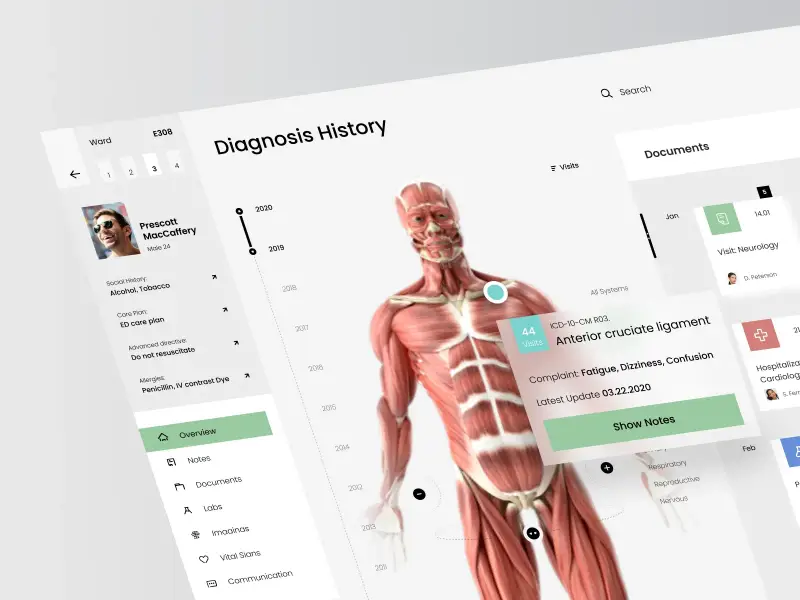
Types of EMR systems
Protecting patient data is non-negotiable. Make sure the EMR you choose is fully HIPAA-compliant. Interoperability is also key—your system should be able to exchange data with hospitals, labs, and pharmacies using standards like HL7, FHIR, or SMART on FHIR. Look for added security features such as multi-factor authentication and audit trails to keep sensitive information safe.
An intuitive, user-friendly interface can significantly reduce training time and boost staff productivity. Choose a system that allows for customization so you can tailor workflows and templates to match your practice. Also, look for robust onboarding support, user training, and access to a helpful knowledge base in case your team needs assistance.
Think beyond the initial price tag. Is the system subscription-based (SaaS) or does it require a one-time licensing fee? Be sure to account for potential hidden costs like data migration, third-party integration, or feature add-ons. A smart investment should ultimately deliver value by streamlining billing, reducing admin tasks, and improving patient engagement.
Your EMR should work seamlessly with your existing tools. Make sure it integrates with your billing and revenue cycle management software, diagnostic tools, patient portals, and even wearable medical devices. Mobile access is another important factor—having an app or remote access can keep you connected to patient data on the go.
Before making a final decision, request a live demo to explore how the EMR performs in real-world scenarios. Take the time to read user reviews and testimonials to get a sense of how other practices rate its reliability and performance. If available, a trial period is a great opportunity to test the system firsthand before making a commitment.
Choosing the right type of EMR system is crucial for enhancing patient care, optimizing operations, and staying compliant with healthcare standards. Each EMR type offers unique benefits tailored to different medical practices, so understanding the distinctions is key to making a smart investment.
At TECHVIFY, we specialize in helping healthcare providers select and build the ideal EMR solution for their needs. Whether you’re looking to upgrade or start from scratch, our experts are ready to guide you through every step—from consultation to full-scale development. Contact TECHVIFY today for a free consultation and discover how the right EMR system can revolutionize your practice.