The Ultimate Guide About Travel App Development Cost
Author
The TECHVIFY Team is a group of experienced professionals passionate about technology and innovation.
Developing a travel app is a thrilling project, offering modern travelers smooth and personalized experiences. However, it requires more than just design and coding—it demands a strategic understanding of the development landscape. A common question for entrepreneurs is, “What does it take to develop a travel app?” The answer varies greatly, much like the dynamic nature of the travel industry, with factors such as features, platform choice, and app complexity playing significant roles.
In this article, we’ll uncover the key elements that influence travel app development cost and the resources needed to turn a travel app concept into reality.
I. The Travel Industry: A Quick Overview
The travel industry plays a huge role in the global economy, contributing billions in revenue each year. Back in 2019, travel and tourism made up about 10.4% of the world’s GDP, which comes out to an impressive $8.9 trillion.
This industry doesn’t just bring in money; it also provides a lot of jobs. Over 330 million people are employed in the travel sector, making up about 10% of the world’s employment. These numbers show just how important travel is, not only for economic growth but for people’s livelihoods too.
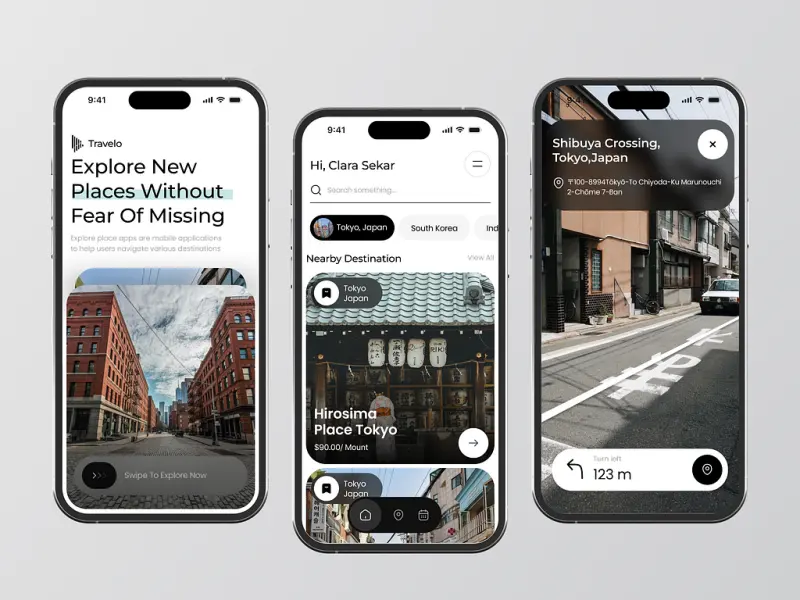
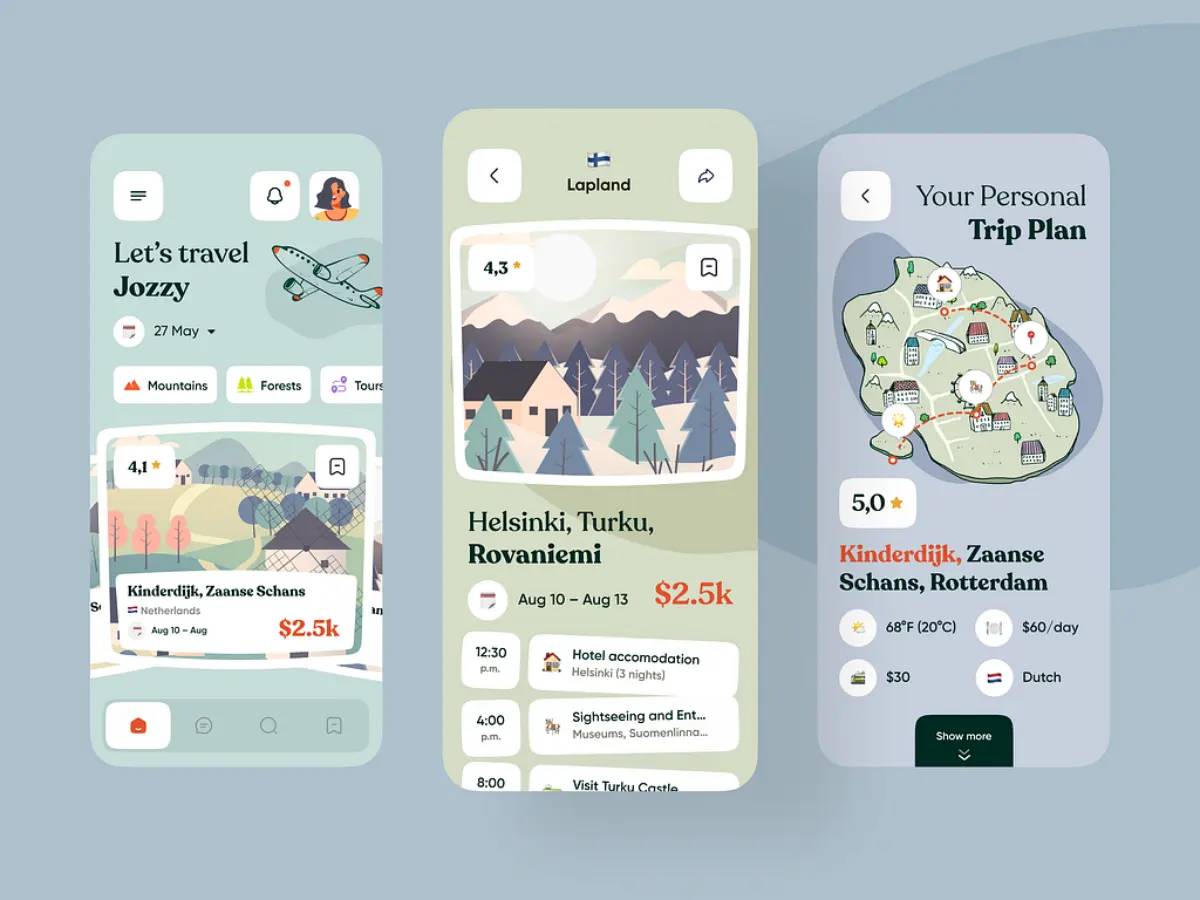
Travel app development
According to the World Travel and Tourism Council (WTTC), international tourist arrivals hit 1.46 billion in 2019. That’s a 4% increase from the year before, showing that more and more people are eager to explore the world.
The region with the most international visitors was Asia-Pacific, followed by Europe and the Americas. These stats highlight how much people are craving new travel experiences and exploring different parts of the globe.
Technology has also had a huge impact on the travel industry. Nowadays, online bookings are the go-to method for planning trips. By 2023, about 57% of all travel bookings were made online, totaling around $755 billion. This shift to digital platforms shows just how important it is for businesses to offer smooth online experiences to travelers.
More App Development Insights:
II. Key Factors That Affect Travel App Development Cost
While we’ve already provided some cost estimates for different types of travel apps, it’s essential to understand that the actual development costs can fluctuate based on a variety of factors. These factors not only shape the overall budget but also influence the complexity, timeline, and eventual success of your travel app. Below, we’ll break down some of the critical elements that can impact the cost of building a travel app:
Goals and Features
The specific goals and features of your travel app play a significant role in determining its cost. For instance, a simple vacation planning app will cost less to develop than a full-fledged booking app, largely due to differences in required functionalities.
- Basic app features might include flight searches, hotel listings, and user authentication.
- Advanced features, like dynamic pricing, itinerary management, in-app messaging, and real-time updates, increase both complexity and cost.
- Additional functionalities like AI-driven recommendations, multi-currency support, or augmented reality (AR) navigation can further elevate the budget.
The more features you want to incorporate, the more development time and effort will be required – which directly affects costs.
Platform Choice
The platform you choose for your app is another critical factor affecting cost. Developing your travel app for one platform (either iOS or Android) will naturally be less expensive than building for both platforms. However, if you aim to reach a broader audience, a cross-platform approach using frameworks like React Native or Flutter might be the best solution.
- Single-platform apps (iOS or Android) are cheaper but limit your app’s reach.
- Cross-platform apps allow you to develop for both iOS and Android simultaneously, reducing time and cost compared to building two separate native apps.
- Native apps (i.e., apps developed individually for iOS and Android) tend to offer better performance but are more expensive as you’re effectively creating two separate apps.
The choice between these options will depend on your target audience, budget, and long-term goals.
Design Complexity
The design of your travel app goes beyond aesthetics—it involves the overall user experience (UX) and the user interface (UI). The more intricate and customized the design, the more time and resources it will take to develop, thus increasing costs.
- Basic designs that follow standard mobile app design principles are quicker and cheaper to implement.
- Complex designs with custom animations, detailed transitions, and unique user flows require more effort and specialized skills, contributing to higher costs.
Additionally, if you want to provide a seamless user experience, particularly for a global audience, you may need to invest in localization (translating content, adjusting to different currencies, and adapting to regional regulations), which adds another layer of complexity and cost.
Backend Development
The backend infrastructure is the backbone of any travel app. It supports key functionalities such as user data management, bookings, payment processing, and real-time updates. The more sophisticated the app’s features, the more robust your backend needs to be.
- A simple backend may only need to handle basic user authentication and data storage.
- A complex backend might need to support real-time booking systems, integrate with third-party APIs (like airlines or hotels), and manage large volumes of user data securely.
Ensuring your backend can scale to accommodate increased user traffic during peak travel seasons or promotions is also essential. Cloud services like AWS and Google Cloud offer scalable solutions but come with ongoing costs that you’ll need to factor into your budget.
Third-Party Integrations
Travel apps often rely heavily on third-party services to provide essential functionalities such as bookings, payments, and real-time updates. Integrating these services into your app can significantly impact the overall cost.
- Third-party APIs for flights, hotels, car rentals, and more involve setup fees, subscription costs, and ongoing maintenance to ensure compatibility as APIs evolve.
- Payment gateways (like Stripe, PayPal, or Apple Pay) must be integrated to allow seamless transactions, and each payment processor may have its own fees.
- Social media integrations, for user authentication or sharing travel plans, also require time and resources to implement.
Each additional integration adds complexity and cost, but these services are crucial to providing a comprehensive and user-friendly experience for your app’s users.
Maintenance and Ongoing Updates
Development doesn’t stop after the app is launched. Ongoing maintenance is essential to ensure your app stays up-to-date with the latest operating systems, continues to function smoothly, and remains secure. Regular updates to fix bugs, add new features, and improve performance will also be necessary.
- Annual maintenance costs typically amount to around 15-20% of the initial development cost.
- Updates to meet new OS requirements (such as iOS or Android version releases) are essential to keep your app functional.
- Bug fixes and performance optimizations are ongoing efforts that ensure your users continue to have a positive experience.
Not accounting for post-launch costs can lead to a poor user experience and eventually lead to losing users, so it’s important to budget for ongoing updates and support.
Geographic Location of Your Target Audience
Your app’s geographic focus can also influence development costs, particularly if you need to include features like localization (support for multiple languages, currencies, and regional regulations). For example, an app targeting users across Europe will need to support multiple languages, while one targeting North America may not.
Additionally, different regions may have specific regulatory requirements (such as GDPR in Europe or CCPA in California) that can increase the complexity and cost of your app’s data handling processes.
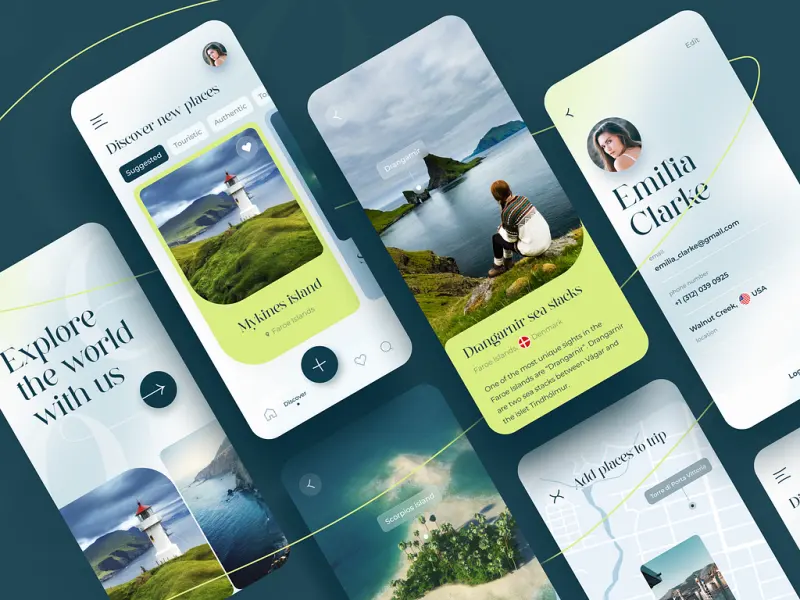
Travel app example
Hidden Costs You Should Be Aware Of
Besides the apparent costs, there are also hidden travel app development cost that can affect your budget. These include:
- Third-Party Integration Fees: Adding services like payment gateways, push notifications, or social media logins may require you to pay for third-party tools or subscriptions.
- Admin, Marketing, and Management Costs: Managing content, user permissions, payments, and notifications might require additional tools or services, each with its own costs.
- Infrastructural Costs: Setting up and maintaining backend systems, including servers, content delivery networks (CDNs), and data storage, can add to your expenses.
- App Store and Google Play Fees: To publish your app, you’ll need to pay platform fees. For example, Apple charges $99 per year for an individual developer account, while Google Play requires a one-time fee of $25.
By understanding these hidden costs early on, you can develop a more precise budget and prevent unexpected issues later on.
Have a Project Idea in Mind?
Get in touch with experts for a free consultation. We’ll help you decide on next steps, explain how the development process is organized, and provide you with a free project estimate.
III. How Much Does It Cost to Develop a Travel App?
Now that we’ve explored the different types of travel apps and their features, let’s break down the costs of developing these apps based on their complexity. When outsourcing to a country like Vietnam, where development rates are competitive yet quality is maintained, the expense can differ greatly based on the type and complexity of the app.
Basic Travel App: Simple and Affordable
A basic travel app covers the essential features of travel, focusing on simplicity and usability. The app typically allows users to book flights and accommodation, and may include features like basic itinerary management, user sign-up/login, search functionality, and integration with payment gateways.
- Estimated Cost (Outsourcing to Vietnam):
When outsourcing to Vietnam, a basic travel app development cost can range from $5,000 to $15,000. This lower cost is due to the competitive development rates in the region while still maintaining good quality.
Intermediate Travel App: More Features, More Functionality
An intermediate travel app offers enhanced features that make trip planning more comprehensive for users. These apps include itinerary planning, real-time weather updates, advanced search filters, user profiles, in-app messaging, and reviews and ratings to provide a richer user experience.
- Estimated Cost (Outsourcing to Vietnam):
For an intermediate travel app, the development cost in Vietnam typically ranges from $20,000 to $50,000. The exact cost depends on the complexity of the features and the level of customization required.
Advanced Travel App: Cutting-Edge Features for a Premium Experience
An advanced travel app integrates state-of-the-art features to offer a premium experience. These apps can include augmented reality (AR) for real-time navigation, language translation, AI-powered recommendations, dynamic pricing, and multiple third-party integrations to elevate the functionality and user engagement.
- Estimated Cost (Outsourcing to Vietnam):
The cost of developing an advanced travel app in Vietnam ranges from $50,000 to $150,000 or more, depending on the complexity of the technology and features you want to integrate.
IV. Tips to Save Money on Travel App Development
While developing a travel app can require a significant budget, there are several strategies you can use to save money and get the most value from your investment. Here are some practical tips to help you reduce travel app development costs:
1. Define a Minimum Viable Product (MVP)
Start with a basic version of your travel app that offers just the core features. This lets you validate your app idea, gather user feedback, and significantly reduce initial development costs. Once your MVP is successful, you can gradually add more advanced features over time.\
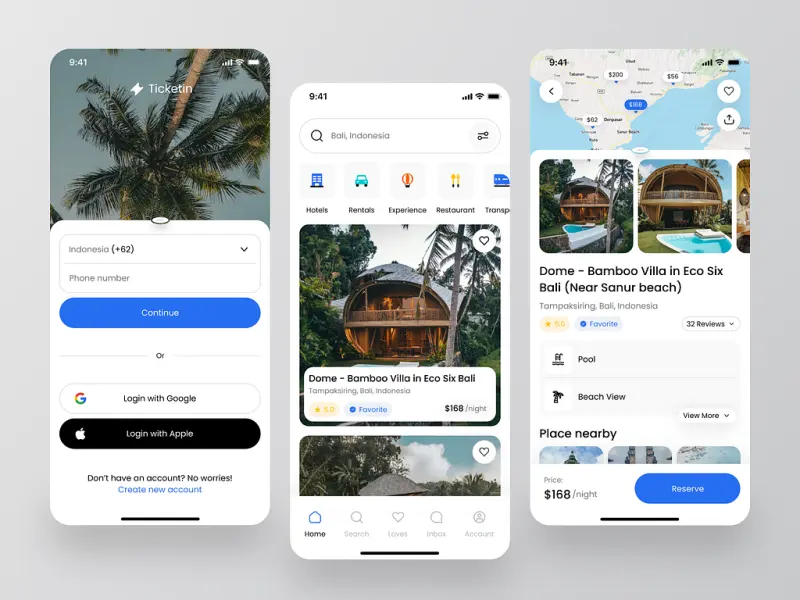
Travel app development cost
2. Utilise Open-Source Frameworks
Take advantage of open-source app development frameworks like React Native or Flutter to speed up development and cut costs. These frameworks offer pre-built modules and libraries that can be easily customized to fit your app’s needs, reducing the time and effort required to build features from scratch.
3. Consider Cross-Platform Development
Instead of building separate apps for iOS and Android, opt for cross-platform development. This approach allows you to build a single app that works on both platforms, using a shared codebase. Cross-platform tools like Flutter or React Native can save both time and money by reducing the need for two separate development processes.
4. Outsource Development
Outsourcing your travel app development to a reputable and experienced team, especially in countries with competitive rates like Vietnam, can offer significant cost savings. Outsourcing also gives you access to a skilled team while enabling you to concentrate on your primary business operations.
5. Prioritise Features
Identify the must-have features for your travel app and focus on developing these first. This ensures efficient resource allocation and prevents spending money on unnecessary or advanced features that may not be critical in the initial phases of the app’s development.
6. Use Design Templates and UI Kits
Instead of creating every design element from scratch, consider using free or affordable design templates and UI kits. These resources provide pre-designed elements that can be customized to fit your app’s branding, significantly reducing both design time and costs.
7. Optimise Backend Infrastructure
To reduce infrastructure costs, consider using cloud-based services and scalable architecture for your travel app’s backend. Cloud providers like AWS or Google Cloud provide flexible solutions, letting you pay solely for the resources you utilize, which can help you avoid unnecessary expenses and maintenance issues down the road.
V. What Are the Challenges of Building a Travel App?
Developing a travel app can be rewarding, but it’s essential to be aware of the specific risks and challenges that may arise during the process:
- High Competition and Market Saturation
The travel app market is highly competitive, with established players like Airbnb, Booking.com, and Expedia dominating. To stand out, your app needs a unique selling proposition (USP) or innovative features that differentiate it from competitors. Without this, user acquisition could be difficult and costly. - Data Security and Privacy Concerns
Travel apps handle sensitive user data, such as personal information, payment details, and itineraries. Ensuring robust security measures like encryption, secure payment gateways, and GDPR compliance is crucial. Any security breach can lead to a loss of user trust and potential legal consequences. - Integration with Third-Party Services
Most travel apps rely on third-party services (e.g., airline APIs, hotel booking engines, payment gateways). Managing API reliability and ensuring smooth integrations can be challenging. Changes in third-party services, such as API updates or downtimes, can break app functionality if not handled properly. - Complexity of Real-Time Data
Travel apps often need to provide real-time information (e.g., flight statuses, weather conditions, room availability). Gathering and displaying accurate data across multiple sources in real time requires a well-architected backend system. Poor data handling can result in incorrect information, frustrating users and leading to negative reviews. - Localization and Multilingual Support
Travel apps need to cater to a global audience, meaning localization and multilingual support are crucial. Adapting your app to different languages, currencies, time zones, and legal regulations can increase development complexity and costs. Additionally, improper localization can alienate key markets. - Cross-Platform Consistency
If you’re developing a cross-platform app, ensuring that the user experience remains consistent across iOS and Android can be a challenge. Differences in platform-specific design guidelines, performance, and features need to be carefully managed to provide a seamless experience for users on both platforms.
Conclusion
Developing a travel app is an exciting yet complex journey that requires careful planning, a well-thought-out strategy and comprehensive knowledge of the elements influencing the development process. From platform choices and backend infrastructure to design complexity and third-party integrations, every decision plays a crucial role in shaping your app’s success. While challenges such as high competition, data security, and real-time data management must be addressed, a well-executed travel app can offer travelers smooth, personalized experiences and open up significant business opportunities.
Ready to bring your travel app idea to life? Don’t let the complexities hold you back! At TECHVIFY, we specialize in delivering high-quality, cost-effective app development solutions tailored to your vision.
Contact TECHVIFY for a FREE consultation and let our expert team guide you from concept to launch. Whether you’re building a basic app or a cutting-edge platform, we’re here to help you succeed!
TECHVIFY – Global AI & Software Solutions Company
For MVPs and Market Leaders: TECHVIFY prioritizes results, not just deliverables. Reduce time to market & see ROI early with high-performing Teams & Software Solutions.
- Email:[email protected]
- Phone:(+84)24.77762.666