Telemedicine vs Telehealth – Choose The Right Service for You
Loading...
The TECHVIFY Team is a group of experienced professionals passionate about technology and innovation.
Technology has been an essential component of healthcare for many years, but the coronavirus pandemic significantly sped up the pace of change within the industry. In response to the health crisis, not only were additional safety measures put in place for healthcare professionals, but there was also a growing demand for telehealth services to provide remote care to patients.
Prior to the pandemic, data from the American Hospital Association revealed that 76% of U.S. hospitals already offered telehealth as an option. With the rise in demand, experts now anticipate tremendous growth for telehealth, projecting an annual compound growth rate of 38% over the next five years.
Though “telemedicine” and “telehealth” are often used interchangeably, they are not the same. There are important distinctions between the two concepts. In this article, we will explore telemedicine vs telehealth in depth.
Before we get into the differences between telemedicine vs telehealth, let’s look at the definition.
As defined by the Centers for Disease Control and Prevention (CDC), telehealth involves utilizing digital communication and information technologies to offer health-related services and share vital patient information. These services support patient care, facilitate administrative tasks, and expand access to healthcare, all from a distance.
Though often confused with telemedicine, telehealth covers a broader scope, including non-clinical functions. Examples of telehealth services include administrative meetings, medical education for professionals, and training for healthcare providers, all conducted remotely.
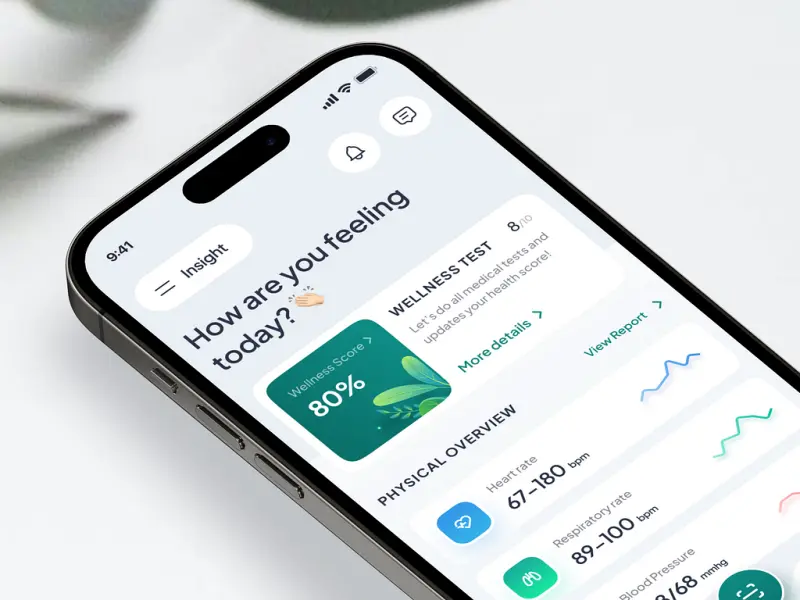
Difference between telehealth and telemedicine
Telemedicine specifically involves the use of technology to offer clinical services remotely. The World Health Organization (WHO) describes it as the practice of “healing from a distance.” Initially conducted via phone calls, telemedicine now benefits from technological advances, such as online portals, video conferencing, and web-based platforms, allowing patients to consult with healthcare providers in real time or at different times.
Through telemedicine, patients can discuss symptoms, medical concerns, and treatment plans and even receive prescriptions, all without leaving their homes. This method eliminates the need for a physical visit to the doctor’s office and significantly improves healthcare access for individuals residing in remote or underserved areas.
Telemedicine can be categorized into three main types:
Interactive Medicine: This type of telemedicine involves real-time consultations between healthcare providers and patients. It allows for immediate interaction and feedback, similar to an in-person visit.
Remote Monitoring: Remote monitoring is ideal for patients with chronic conditions. Healthcare providers can track key health metrics such as symptoms and vital signs, which are electronically transmitted to the provider for regular monitoring.
Store and Forward: In this approach, patient information is transmitted asynchronously between the patient and healthcare provider or healthcare professionals. This means both parties don’t need to be available simultaneously. For instance, a general practitioner might send images of a patient’s skin condition to a dermatologist, who can then assess and provide treatment recommendations without requiring additional appointments.
Still want to see more Healthcare articles? Check here:
Both telehealth and telemedicine offer a range of benefits for patients and healthcare providers, making healthcare more accessible, efficient, and convenient. Below are some of the key advantages for each group.
Telehealth and telemedicine provide a convenient and often more affordable way for patients to access healthcare services. You can receive care remotely as a patient, removing the need to travel to a medical facility. Here are some specific advantages that telehealth and telemedicine offer:

Telemedicine vs telehealth
Telehealth and telemedicine also offer healthcare providers new tools and opportunities to enhance patient care. These technologies allow providers to:
Let’s look at the important difference between telehealth and telemedicine:
| Categories | Telehealth | Telemedicine |
| Scope of Services | Includes a wide range of services such as education, remote monitoring, administrative meetings, and non-clinical services in addition to clinical care. | Primarily involves clinical services like diagnosis, treatment, consultations, and follow-up care between healthcare providers and patients. |
| Applications | Covers areas like health education, provider training, administrative meetings, and patient engagement tools. | Involves direct patient care activities such as virtual doctor visits, remote diagnosis, and electronic prescriptions. |
| Stakeholders Involved | Engages a variety of stakeholders including patients, healthcare providers, administrators, and educators. | Mainly involves interactions between healthcare providers and patients. |
| Technology Used | Utilizes various technologies, including mobile apps, online platforms, remote monitoring devices, and electronic health records (EHRs). | Primarily relies on communication technologies like video conferencing, phone calls, and secure messaging for clinical interactions. |
| Purpose | Aims to improve overall healthcare access, efficiency, and education through diverse digital tools and platforms. | Focuses specifically on delivering clinical care and medical services remotely. |
| Regulatory Considerations | May involve broader regulatory aspects including data security, privacy, and compliance across different healthcare functions. | Subject to specific medical regulations, licensing requirements, and standards related to patient care and clinical practices. |
Looking to Outsource Development?
Contact TECHVIFY – Vietnam’s Leading Offshore Software Development & Outsourcing Company, for consultation and development services.
Use telemedicine when the interaction involves direct clinical care, such as diagnosing, treating, or prescribing medications for a patient. Telemedicine is the right term if a patient needs a virtual consultation with a doctor, remote diagnosis, or prescription management. For example, you would use telemedicine when a physician is conducting a video consultation to diagnose an illness or adjust a treatment plan.
Key Indicators:

The difference between telehealth and telemedicine
Use telehealth when referring to a broader range of remote healthcare services, including both clinical and non-clinical care. This might involve health education, remote monitoring of chronic conditions, or mental health support groups. Telehealth also covers administrative healthcare meetings and wellness check-ins that don’t require immediate clinical intervention.
Key Indicators:
To help clarify when to use telehealth and telemedicine, here are detailed examples of each, with clear explanations of how they differ.
Telemedicine focuses on clinical care, where a healthcare provider directly diagnoses or treats a patient remotely.
Virtual Doctor Visits:
A patient with a sore throat uses a video conferencing platform to consult with a physician. During the call, the doctor examines the patient’s symptoms, makes a diagnosis, and prescribes medication. This is telemedicine because it involves direct clinical care, including diagnosis and treatment.
The interaction is between the patient and physician, with a clinical outcome—diagnosis and prescription.
Remote Diagnosis of Skin Conditions:
A dermatologist reviews photos of a patient’s skin condition (e.g., a rash or mole) submitted through a secure portal. Based on the images, the dermatologist provides a diagnosis and suggests a treatment plan. This is telemedicine because it involves clinical decision-making based on a patient’s specific health issue.
The doctor is diagnosing and prescribing a treatment plan for a specific condition, which qualifies as clinical care.
Follow-up After Surgery:
After a minor surgical procedure, a patient schedules a virtual follow-up appointment to discuss their recovery and address any concerns. The doctor checks the healing process via video and provides further instructions. This is telemedicine because it directly relates to a patient’s post-surgery care.
The interaction focuses on a specific patient’s recovery and includes clinical oversight.
Chronic Disease Management:
A patient with diabetes regularly meets with a doctor through a video platform to review blood sugar levels and adjust insulin doses as needed. This management of a chronic condition is done remotely but involves direct clinical decision-making, making it telemedicine.
The doctor is responsible for interpreting medical data and adjusting treatment, which is clinical care.
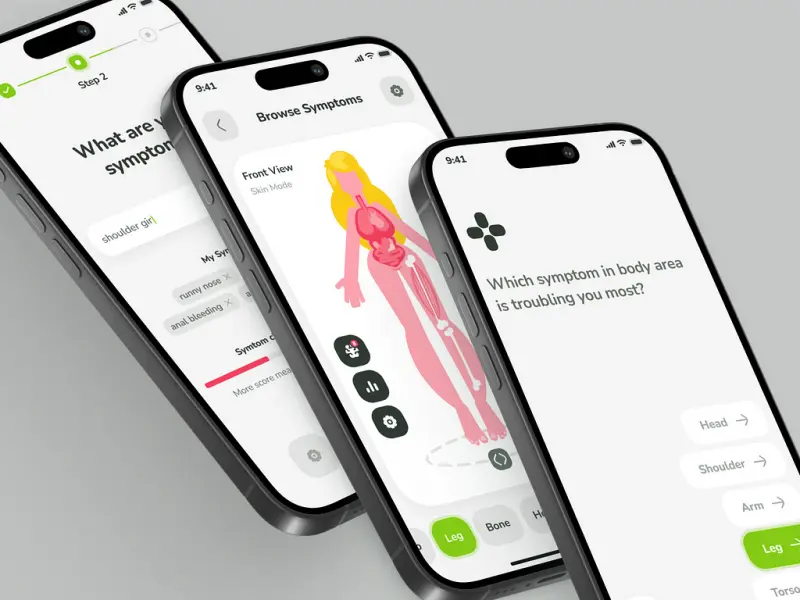
Telehealth vs telemedicine examples
Telehealth encompasses both clinical and non-clinical services. It includes telemedicine but also covers broader healthcare services such as patient education, administrative tasks, and remote monitoring.
Remote Patient Monitoring (RPM):
A patient with high blood pressure uses a home blood pressure cuff that sends data to a healthcare provider. The provider reviews the data in real-time or periodically but may not interact with the patient unless an issue arises. RPM is telehealth because it involves monitoring health data remotely but not necessarily immediate clinical care.
The provider reviews health metrics without necessarily performing direct clinical interventions unless required.
Health Education Webinars:
A hospital offers online webinars for the public on managing stress, nutrition, or exercise. These educational sessions aimed at improving general wellness but don’t involve diagnosing or treating specific conditions. This is telehealth because it focuses on health education and prevention, not direct clinical care.
No diagnosis or treatment is involved; it’s about improving general health knowledge and awareness.
Virtual Mental Health Support Group:
A licensed therapist or counselor facilitates a virtual support group for individuals managing anxiety or depression. Participants share their experiences and receive general mental health advice, but this is not a one-on-one clinical session. This is telehealth because it involves mental health support in a non-clinical group setting.
The service is focused on support and general guidance, rather than diagnosing or treating specific individuals.
Professional Training for Healthcare Providers:
A hospital system holds virtual training sessions for its healthcare staff on new medical protocols or wellness programs. This is telehealth because it involves administrative or educational services rather than direct patient care.
The focus is on staff education and professional development, not treating patients.
Telehealth Physical Therapy:
A physical therapist provides instructions for exercises through a video call, helping a patient rehabilitate from a musculoskeletal injury. Even though the exercises are therapeutic, this is telehealth because the therapist is guiding wellness and recovery, not providing immediate clinical treatment.
The therapist is offering guidance, but the interaction is more about facilitating recovery and maintaining health rather than direct clinical intervention.
The integration of technology into healthcare has never been more critical, and the rapid adoption of telehealth and telemedicine is reshaping how care is delivered. These advancements make healthcare more accessible, efficient, and flexible, benefiting both patients and providers. As the healthcare industry continues to evolve, the demand for digital solutions will only grow, offering innovative methods to improve patient care and optimize workflows.
If you’re ready to take your healthcare services to the next level, TECHVIFY is here to help. We can work with you to create custom telehealth and telemedicine solutions that fit your needs. Reach out to us today for a free consultation, and let’s talk about how we can help you bring these innovations to your practice!
TECHVIFY – Global AI & Software Solutions Company
For MVPs and Market Leaders: TECHVIFY prioritizes results, not just deliverables. Reduce time to market & see ROI early with high-performing Teams & Software Solutions.