Logistics App Development: A Step-by-Step Guide
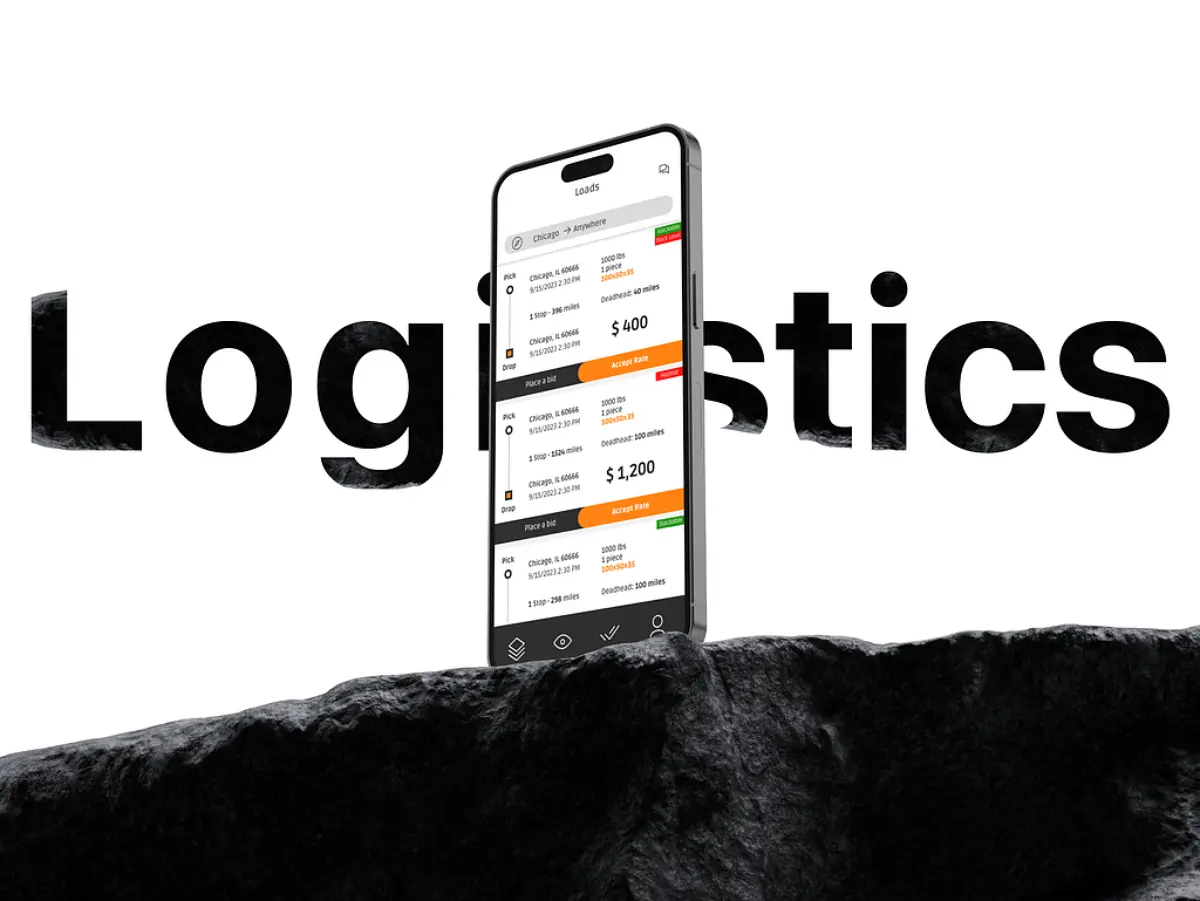
Loading...
The TECHVIFY Team is a group of experienced professionals passionate about technology and innovation.
In recent years, technological advancements have revolutionized the transport and logistics industry. Many businesses now leverage logistics apps to streamline their operations, making processes more efficient and cost-effective.
In this article, we will explore how logistics app development can enhance operational efficiency, cut costs, and improve customer satisfaction. Continue reading to discover how these innovative tools can transform your logistics operations!
A logistics application is software that helps organizations manage shipment activities such as routing, vehicle maintenance, fleet management, transportation, and tracking. These solutions also allow clients to book their shipments easily with a single click.
You can benefit from real-time shipment updates when selecting an application for your transportation and logistics needs. These apps greatly aid the retail industry by enabling efficient handling of daily operations, which leads to improved productivity.
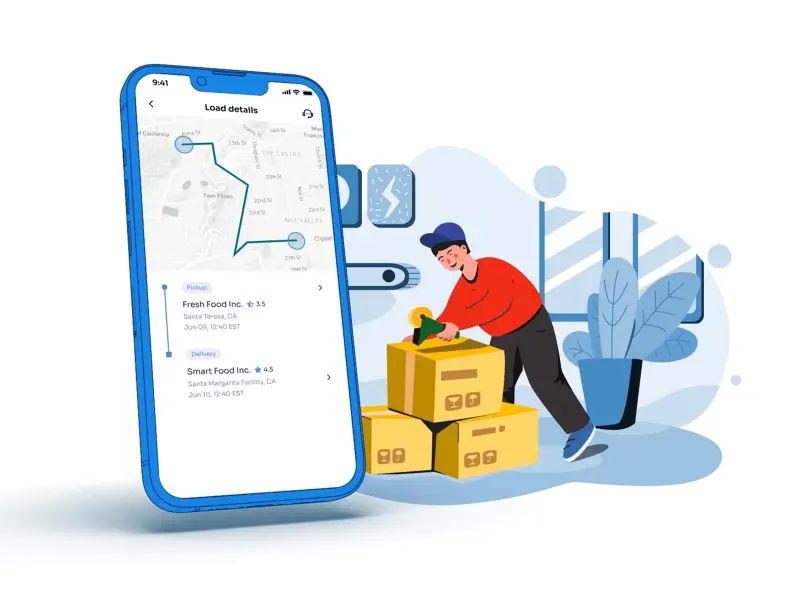
Without your fleet, you cannot transport assets from point A to point B, halting your business operations.
A fleet management solution helps you manage your vehicles efficiently. Regardless of fleet size, this application collects, manages, and stores all information about your trucks, including maintenance history. This data is crucial for timely maintenance or replacement. Some transportation management apps also track service costs to help you calculate total ownership expenses, send maintenance notifications, generate reports, and more. This ensures your vehicles run smoothly and cost-effectively.
If your trucks are not always fully loaded, consider using an on-demand logistics app to create an extra income source. Here’s how these solutions work:
Still want to see more Logistic articles? Check here:
A warehouse management app ensures your shipments reach their destinations on time. These applications resemble real-time tracking systems specifically designed for warehouse owners, while real-time tracking tools serve a broader audience.
Warehouse management apps equipped with barcode scanning technologies help you track the status of numerous deliveries. The best apps integrate with internal databases to update information in real time, reducing manual input and minimizing human error.
Delivery apps help businesses transport goods from one location to another. They connect businesses with customers through a network of couriers. Clients can choose between on-demand delivery for immediate needs or scheduled delivery for a specific time and date.
These apps let customers track orders in real-time and provide multiple payment methods, including cash and credit card, and mobile banking. They enable businesses to provide fast and convenient delivery, enhancing customer service while giving clients control over the entire process.
Driver management solutions for mobile and web help maintain driver information and meet their requirements for better logistics operations. These apps allow you to manage driver profiles, monitor the goods they carry, and track their location.
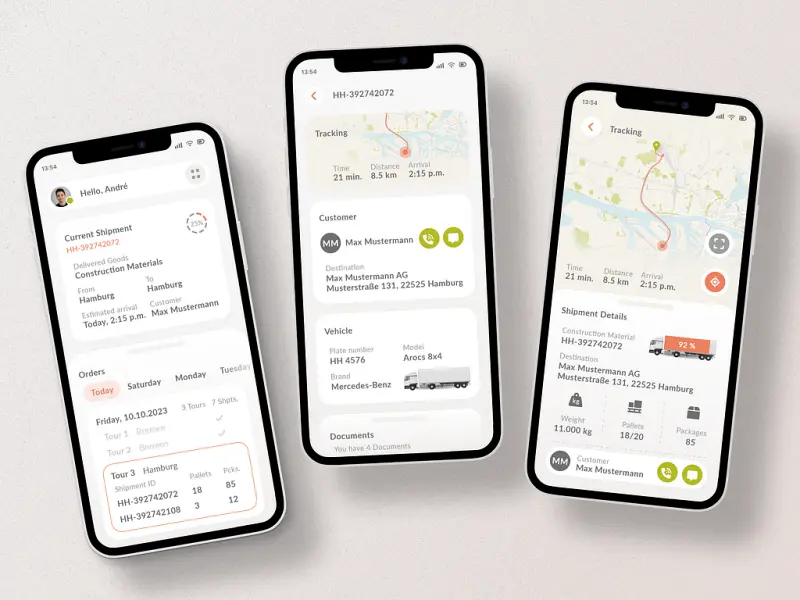
Here are some key benefits of logistics app development:
Enhances Company Reputation
A logistics app with an easy-to-use interface engages clients and creates a favorable perception of the business. It simplifies tasks, enhances the user experience, and boosts the company’s reputation. The app’s simple interface ensures that users will have a great user experience, ultimately creating a positive company image and ensuring customer satisfaction.
Reduces Paperwork
With digital logistics apps, access to information becomes instantaneous, eliminating the need to fill out and file paper forms and place orders verbally. Through e-bill payouts, you can make online payment confirmations with electronic delivery proof and track deliveries online. Hence, it offers easy availability and reduces time and losses in paper and money consumption.
Decrease Delivery Time and Cost
Real-time snapshots of truck delivery statuses and simplified reporting tools bring more clarity and control to business operations. By linking trustworthy data to usage models, businesses can reduce the number of trucks needed for freight deliveries, optimize route planning, and manage fuel expenses more effectively. Developing a logistics mobile app helps maintain high transparency and reduces costs.
Simplify the Supply Chain Process
A logistics app simplifies the complexities of supply chain processes, leading to greater efficiency. It ensures data integrity through blockchain technology, creating a secure and streamlined supply chain. The app provides a robust and reliable infrastructure, functioning like an intelligent system that helps businesses maintain fast and dependable service.
Manage Warehouse Accurately
Stock management is a crucial aspect of logistics with significant implications. It involves tracking commodities shipped from and stored in the warehouse. Essential tasks include ensuring that trucks are fully loaded, avoiding surplus inventory, and preventing stock exhaustion before delivery.
Using AI-driven logistics mobile applications can improve warehouse planning. These apps provide automatic stock status notifications, helping manage inventory more effectively.
Looking to Outsource Development?
Contact TECHVIFY – Vietnam’s Leading Offshore Software Development & Outsourcing Company, for consultation and development services.
Here are a few crucial features for logistics app development:
Deploying GPS positioning apps allows you to show the location of vehicles on a map. These app-based platforms track shipments, optimize the shipping of goods, and provide full details about shipments.
Applications receive GPS coordinates from sensors and store the data from the trucks’ GPS units, displaying this information on the map.
These apps achieve higher accuracy in GPS positioning by using technologies like C++, QML, JavaScript, the Qt framework, and Kalman filter algorithms.
One of the most helpful features of a logistics app is optimizing the delivery process by showing the most efficient route from the warehouse to the customer. It considers distance, traffic, and delivery time to provide directions. This helps drivers take the quickest and smoothest route, saving time and reducing costs.
Time constraints and translation errors can make decision-making difficult. A multilingual logistics application can improve customer satisfaction and attract new customers interested in the latest technology.
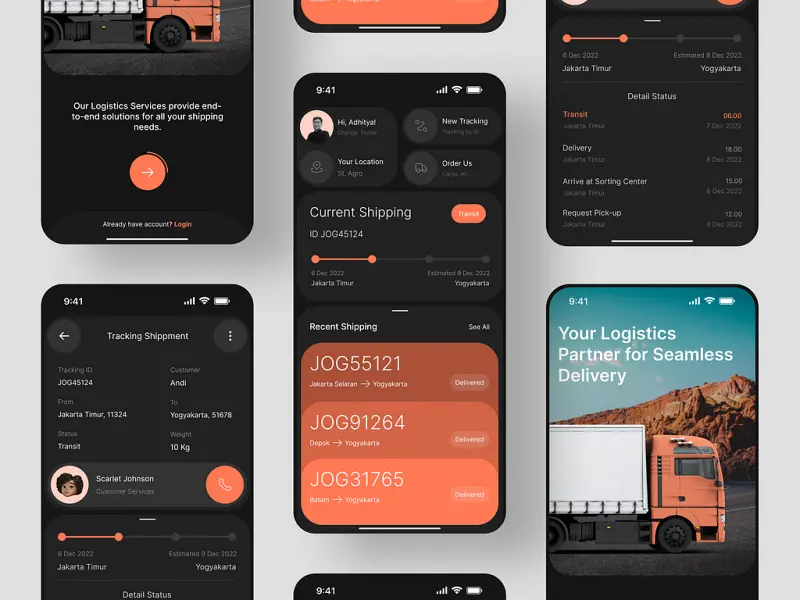
Internet access can sometimes be unreliable. The app remains accessible offline using its mobile version. This allows users to work during network breakdowns and enter data into the app without an internet connection.
Logistics employees can manage issues like vehicle breakdowns or accidents through route adjustments. Additionally, drivers can provide customers with necessary delivery details. Drivers, shippers, and managers can communicate via the app’s calling and messaging features.
A logistics app should work seamlessly across various operating systems, including iOS, Windows, and Android, without requiring UI changes. It should function well on smartphones and desktops and offer multiple usage methods so users can choose their preferred option.
This is what you’ve been waiting for, a full logistics app development process:
First, you need to outline the objectives of your logistics software. Your logistics app will possess distinct features and attributes based on your business type and unique requirements. To identify these, you must figure out what you want your app to accomplish.
This process can be complex, but you don’t have to tackle it alone. You can collaborate with an experienced logistics development firm from inception to ensure your app is built quickly and efficiently.
Once you have gathered the necessary information for this step, you can move on to the next phase.
The bedrock of a successful logistics app is its technology and infrastructure. Like a house requires a solid foundation to endure various elements, a mobile application needs a robust technology stack to manage the complexities of an ever-evolving industry.
Explore and Select the Right Technologies
Investigate various technologies, frameworks, and programming languages when selecting a technology stack for your logistics app. With many options available, conducting thorough research and choosing the technologies that best align with your app’s requirements is crucial.
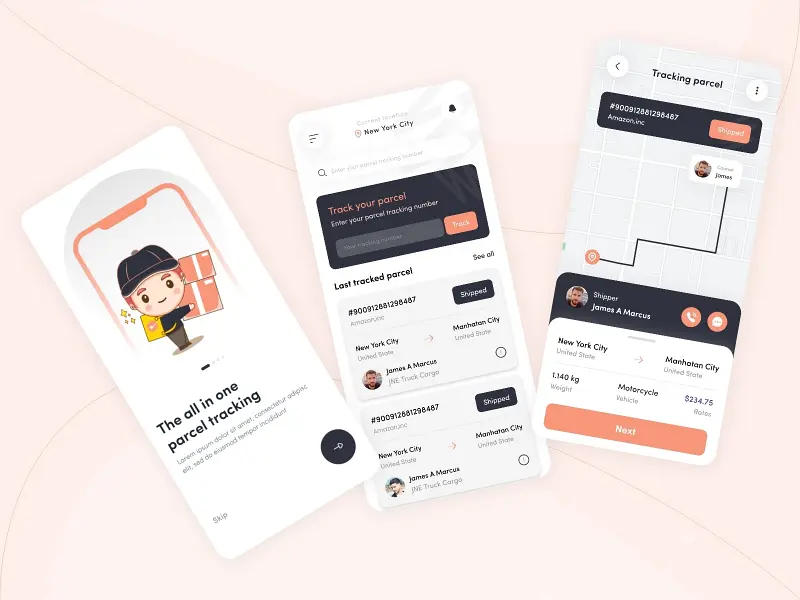
Prioritize Scalability, Security, and Data Privacy
Beyond selecting the appropriate technologies, focusing on your app’s scalability, security, and data privacy is essential. Your logistics app should be capable of supporting your business’s growth and must be fortified against cyber threats. Ensure your app adheres to all relevant data privacy regulations to protect user information.
Build a Sustainable Infrastructure
By meticulously considering your logistics app’s technology and infrastructure needs, you can construct a strong foundation for its success for years.
Design Intuitive Interfaces
In a competitive market, designing user-friendly and intuitive logistics apps is crucial. Users will quickly abandon an app that’s hard to use or navigate.
User experience design (UXD) involves designing products with the user in mind. Understanding user requirements and expectations allows UX designers to develop user-friendly and effective applications.
Key Factors in UX Design
Several factors contribute to good UX design in logistics apps:
A logistics app’s core features and functionality are crucial for its success. Without these essential components, your app will not meet user needs.
Key Features to Include
Some of the most important features for logistics apps include:
Additional Useful Features
Beyond the core features, consider incorporating the following:
These core and additional features help you meet your users’ needs, allowing you to create a successful and profitable logistics app.
Let’s talk
A consultation with the Client Relationship Manager, who represents TECHVIFY, without any commitment from your side, will give you:
TECHVIFY is right where you need. Contact us now for further consultation:
Data is crucial for any successful business, including logistics apps. Through data collection and analysis, logistics applications can gain insights into user behavior, supply chain optimization, and process improvements. This information helps make better decisions, improve efficiency, and reduce costs.
Techniques for Gathering Data
There are several ways to collect data for logistics apps:
Extracting and Using Insights
Once data is collected, it needs to be analyzed to extract valuable insights. This can be done using various statistical and machine-learning techniques. Logistics apps can better understand their users, supply chains, and processes by analyzing data. This knowledge helps make better decisions, improve efficiency, and reduce costs.
Testing and quality assurance (QA) are vital for the success of any logistics app. You can identify and fix bugs or defects before they affect users through thorough testing. This enhances the overall user experience and avoids expensive downtimes.
Types of Testing for Logistics Apps
Various types of testing should be conducted on logistics apps, including:
Incorporate User Feedback
In addition to these specific testing types, gathering user feedback during the development process is essential. This feedback can highlight areas for improvement and ensure the app meets user needs.
Achieving High-Quality Standards
Implementing these best practices can guarantee that your logistics app is top-notch and meets user requirements.
Deployment and maintenance are crucial for the long-term success of any logistics app. By following best practices, you can ensure your app remains available, up-to-date, and user-friendly.
After your app has been developed and tested, the next step is deployment to the chosen platforms. This process will differ based on the platform but typically involves uploading the app to the app store or website.
After deployment, it’s essential to keep the app updated and well-maintained. This includes monitoring performance, gathering user feedback, and promptly addressing issues. Consistent updates with new features and enhancements are also crucial. Here are some tips for effective deployment and maintenance:
Identify your target audience’s needs, preferences, and pain points. Customize your app’s features and user experience to cater to their B2B logistics or B2C last-mile delivery requirements.
Prepare for future growth by designing your logistics application to manage higher user traffic and data volumes. Scalability is essential to support expanding operations without sacrificing performance.
Think about integrating your logistics application with external systems such as ERPs, CRMs, or transportation management systems (TMS). This integration improves data flow and overall efficiency.
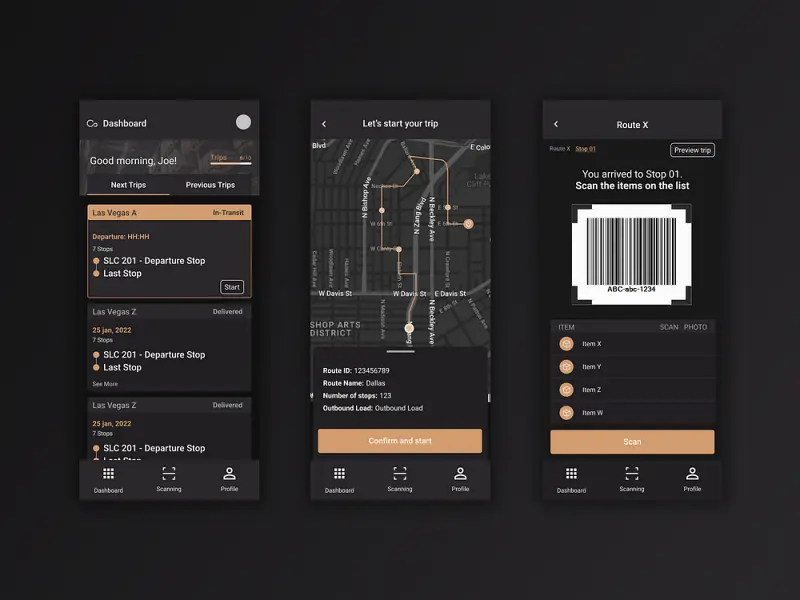
Incorporate GPS and geolocation services to track shipments, optimize routes, and provide precise delivery estimates. Real-time location updates enhance visibility and customer satisfaction.
Safeguard sensitive data, including customer information, financial details, and supply chain data. Adopt robust security measures to avert data breaches and unauthorized access.
Ensure your app can be used offline, especially in areas with poor internet connectivity. This feature allows drivers to access important information and update data without interruption.
Due to logistics apps’ multifunctional and multifaceted nature, estimating the development cost is challenging. Nonetheless, you can approximate the cost by evaluating the following key factors:
The cost of developing a logistics app varies significantly based on its type and complexity. Here’s a breakdown:
The choice of frontend and backend frameworks and the technology stack significantly impact the overall cost of logistics app development. Consider the following:
Considering these factors can help you get a more accurate estimate of the cost of developing a logistics app tailored to your business needs.
Logistics app development is a game-changer for businesses looking to streamline operations and boost efficiency.
Whether a small business or a large enterprise, a custom logistics application is your ticket to transformation. The right app guarantees seamless operations and delighted customers.
Ready to revolutionize your logistics operations with a top-tier logistics app development company? At TECHVIFY, we deliver unparalleled consultation and development services tailored to your needs. Our expert team crafts powerful, scalable, user-friendly logistics solutions that drive real impact.
Contact Techvify today for the ultimate consultation and development experience.
TECHVIFY – Global AI & Software Solution Company
From Startups to Industry Leaders: TECHVIFY prioritizes results, not just deliverables. Accelerate your time to market and see ROI early with high-performing teams, AI (including GenAI) Software Solutions, and ODC (Offshore Development Center) services.