Loading...
The TECHVIFY Team is a group of experienced professionals passionate about technology and innovation.
Artificial Intelligence (AI) is no longer a futuristic concept—it’s a core driver of business growth today. Over the past year, AI adoption has surged across industries, helping businesses automate processes, improve customer interactions, and make smarter decisions.
According to PwC, AI is expected to contribute $15.7 trillion to the global economy by 2030, with businesses increasing AI investments to stay competitive. A McKinsey report found that 50% of companies are already using AI in some form, and 63% expect to increase AI spending in the next year.
But while AI opens new opportunities, many businesses face challenges in keeping up with rapid advancements in:
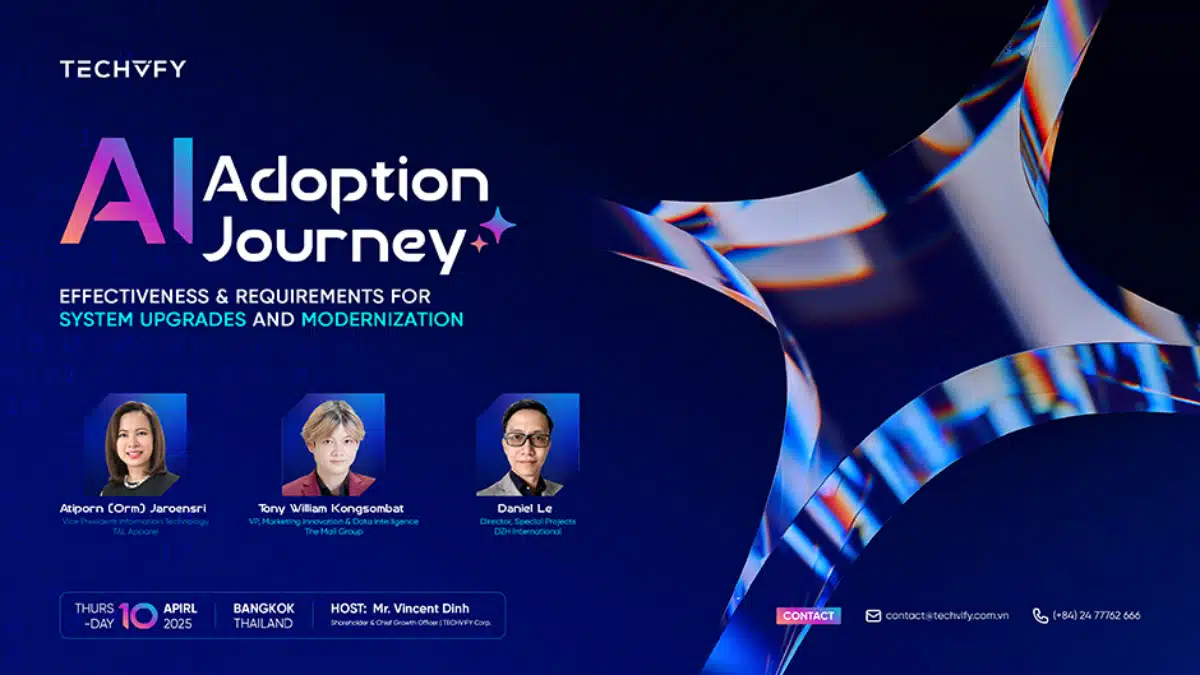
To address these concerns, TECHVIFY Corporation is excited to invite you to AI Adoption Journey: Effectiveness and Requirements for System Upgrades and Modernization—a high-impact event bringing together top leaders from Retail, BFSI, and Manufacturing.
While AI presents incredible opportunities, businesses face significant challenges in implementation. Some key barriers include:
Without proper system modernization, businesses risk falling behind competitors who are successfully integrating AI into their operations.
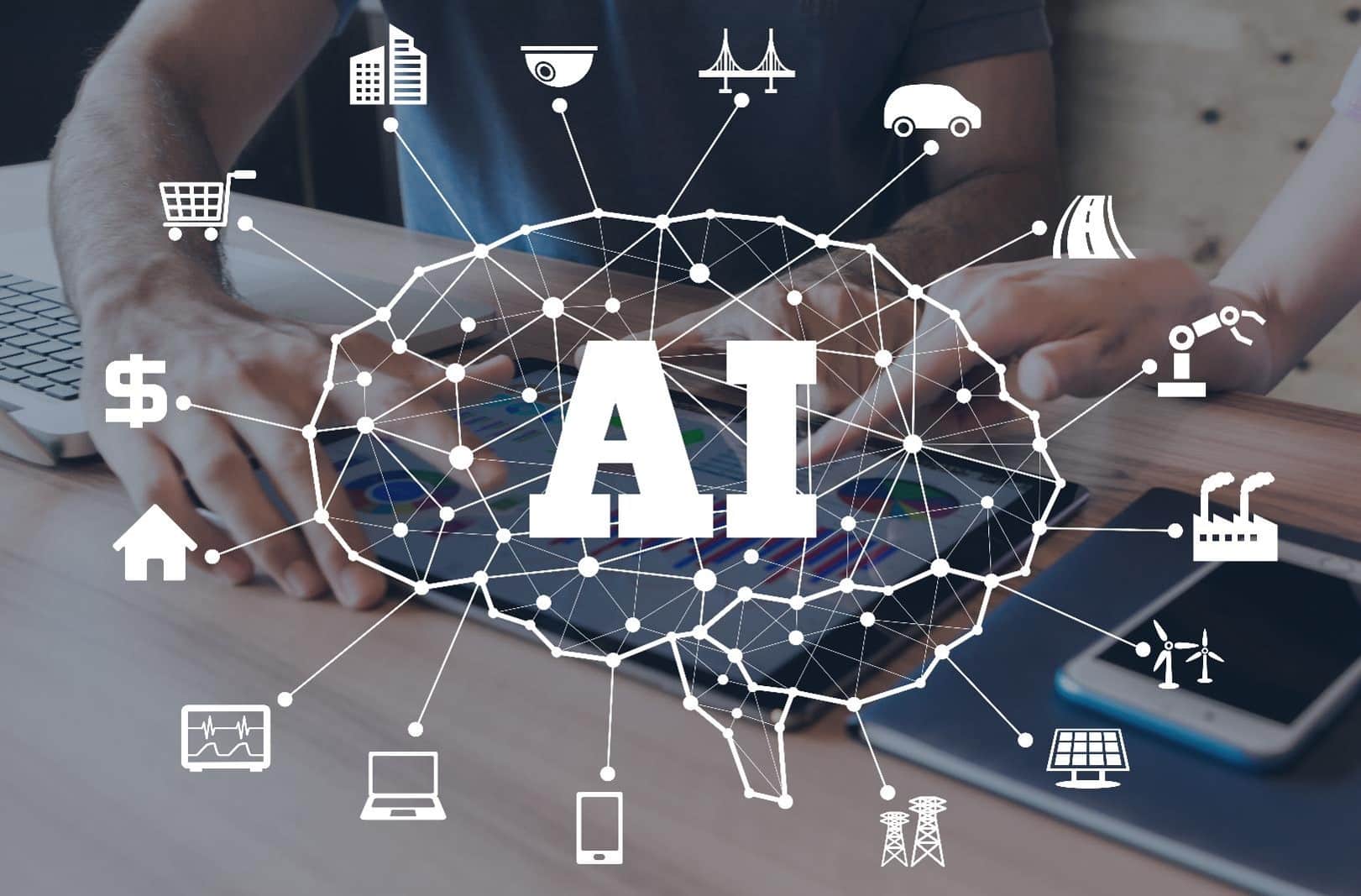
AI is transforming industries by helping businesses work smarter, serve customers better, and improve efficiency. Retail, BFSI (Banking, Financial Services, and Insurance), and Manufacturing are already seeing major benefits from AI. Companies that use AI effectively can gain a strong competitive edge, while those that delay may struggle to keep up.
Here’s how AI is making a difference in these industries.
Retail businesses rely on customer insights, fast service, and efficient inventory management. AI helps retailers understand customers better, predict buying trends, and improve the shopping experience.
Many companies, including The Mall Group Thailand, use AI to analyze customer behavior, personalize promotions, and optimize pricing strategies. This leads to higher sales, better customer satisfaction, and improved business performance.
Retailers that use AI-driven personalization have seen sales increase by up to 15%, according to McKinsey. Customers expect faster, more customized experiences, and AI helps businesses meet those expectations.
The banking and financial sector depends on accurate data analysis and security. AI helps financial institutions detect fraud, manage risks, and improve customer service.
Companies like DZHI International use AI to enhance fraud prevention, automate compliance, and analyze financial data more efficiently. AI-powered risk assessment tools help banks make better lending decisions while reducing operational costs.
A recent survey found that over 80% of financial institutions already use AI in some form. As security threats increase and customers expect faster service, AI will play a bigger role in banking and finance.
Manufacturers are using AI to improve efficiency, reduce downtime, and enhance product quality. AI-powered automation helps businesses streamline production, optimize supply chains, and detect defects in real time.
Companies like TAL Apparel use AI to improve predictive maintenance, ensuring machines are repaired before they break down. AI also enhances quality control by identifying flaws in products as they are made.
Research from Deloitte shows that AI-driven predictive maintenance can reduce machine downtime by up to 20%. AI helps manufacturers produce higher-quality products at lower costs, improving overall efficiency.
AI adoption is increasing rapidly, and companies that invest in AI now will have a significant advantage. Businesses in retail, BFSI, and manufacturing can expect to see improvements in efficiency, customer satisfaction, and profitability.
TECHVIFY Corporation is hosting AI Adoption Journey: Effectiveness and Requirements for System Upgrades and Modernization on April 10, 2025, in Bangkok, Thailand. This event will bring together industry experts to discuss AI’s role in business transformation and how companies can successfully integrate AI into their operations.

This event brings together top executives and AI experts who have successfully implemented AI in their businesses. Attendees will hear firsthand how companies are using AI to optimize operations, enhance customer experiences, and drive innovation. These speakers will share their journey, challenges, and strategies for overcoming obstacles in AI adoption.
For example, leaders from The Mall Group Thailand, TAL Apparel, and DZHI International will discuss how AI has helped them improve efficiency, personalize customer interactions, and navigate complex regulations. Their insights will provide valuable lessons for organizations looking to integrate AI into their own operations.
AI is transforming industries in many ways, and this event will showcase real-world applications in Retail, Manufacturing, and BFSI. Attendees will learn how companies are using AI to:
By understanding these practical AI applications, attendees can explore how similar solutions can be tailored to fit their own industries and business models.
AI adoption comes with technical, organizational, and regulatory challenges. Many companies struggle with legacy IT systems, fragmented data, and compliance requirements that slow down AI integration.
This panel discussion will feature industry leaders sharing their perspectives on:
Attendees will gain a deeper understanding of what it takes to successfully implement AI and build a roadmap for their own AI transformation strategies.
This event is designed for C-level executives, technology leaders, and industry decision-makers. Attendees will have the chance to connect with over 40 senior executives from leading companies in Retail, BFSI, and Manufacturing.
The networking session and dinner will provide a platform to:
By engaging with professionals who are already leveraging AI successfully, attendees will gain new perspectives, actionable insights, and potential business opportunities.
This event is more than just a conference—it’s a chance to learn, connect, and take meaningful steps toward AI-driven growth.