Exploring Nearshore Software Development: Benefits and Best Practices
Author
The TECHVIFY Team is a group of experienced professionals passionate about technology and innovation.
As the digital market continues to accelerate, making a strategic choice in outsourcing is essential for businesses aiming to lead in their industry. Nearshore software development stands out as an exemplary option, offering a blend of cost efficiency and access to high-quality software solutions. This method not only meets financial objectives but also connects companies with some of the best programming talents in nearby regions, elevating the innovation and competitiveness of the product.
Choosing nearshore software development also ensures cultural and linguistic harmony, which significantly smooths over collaboration efforts. This proximity means that teams can operate within the same or similar time zones, facilitating better communication and more efficient project management. As a result, the development process becomes more integrated, with faster response times and real-time problem sohulving, leading to agile and adaptable software development cycles.
In this article, TECHVIFY Team will explore the key benefits and considerations of nearshore software development, demonstrating why it is a smart choice for companies seeking efficient, innovative, and collaborative software development solutions.
1. What Is Nearshore Software Development?

Nearshore software development refers to the practice of outsourcing software development tasks to companies in geographically close countries, typically those that share a border or are within the same region. This strategy is often characterized by minimal time zone differences, usually ranging from one to three hours, which facilitates smoother coordination and communication.
This approach allows businesses to leverage the cost benefits associated with outsourcing, while also benefiting from reduced language barriers, cultural similarities, and closer proximity that facilitate easier communication and collaboration. Nearshore development is particularly advantageous for projects requiring frequent updates or close cooperation between teams, as it enhances responsiveness and agility in the software development process.
- According to Deloitte, 62% of business owners acknowledge they are not adequately prepared to tackle the challenges and repercussions of high employee turnover, underscoring the critical role of outsourcing in securing the necessary talent.
- The global IT outsourcing market was valued at USD 565.2 billion in 2022. It is projected to expand at a CAGR of 9.3%, growing from USD 565.6 billion in 2023 to USD 1416.3 billion by 2031. – straitsresearch
Looking for a Software Development Company?
TECHVIFY is the best option for you. Book a free consultation to get an accurate time and cost estimation for your project.
2. Why Outsource to a Nearshore Development Company?
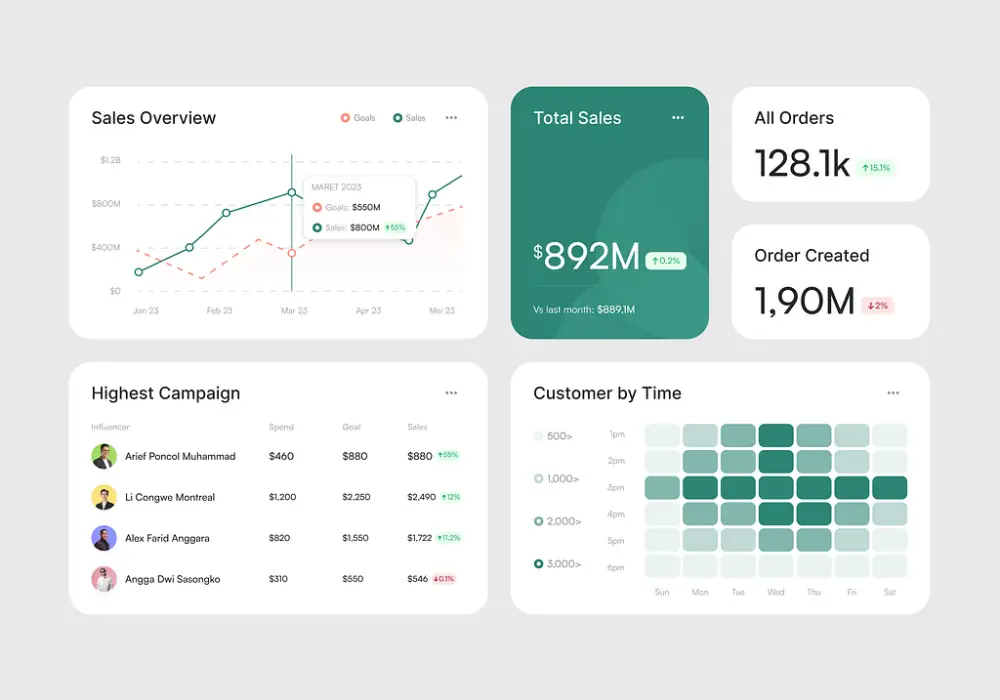
Outsourcing software development to a nearshore provider offers several strategic advantages over handling development internally. These benefits range from addressing immediate team gaps to enhancing long-term project management efficiency, making nearshore outsourcing a compelling option for many businesses.
2.1. Addressing Staff Shortages
Nearshore developers are well-versed in project-based software development, bringing both skill and flexibility to rapidly address staff shortages. Their ability to adapt quickly and deliver results is backed by extensive experience working with diverse companies, which ensures they can integrate smoothly into existing corporate structures without compromising on quality standards.
Furthermore, the availability of nearshore developers can significantly reduce the risks associated with scaling teams and managing fluctuating project demands. This flexibility is a critical asset for companies looking to maintain agility in their operational strategies.
2.2. Access to Skills
Nearshore outsourcing opens the door to a wider talent pool, allowing companies to bypass the limitations of their local workforce. This access is not just about filling gaps but also about enhancing the overall skill set available to an organization, which can be crucial for technology-driven projects.
Moreover, outsourcing negates the need for businesses to invest heavily in the recruitment process. Companies can leverage the specialized capabilities of nearshore firms to secure top talent without the overhead associated with long hiring cycles and training new employees.
2.3. Cultural and Language Similarities
Cultural and linguistic alignment plays a crucial role in the smooth execution of projects. Nearshore outsourcing reduces the risk of miscommunications and cultural misalignments, which are often overlooked yet critical factors in project delays and misunderstandings.
Clear communication facilitated by shared language and cultural contexts helps in setting realistic expectations and achieving project milestones effectively. This synergy is particularly beneficial in complex projects where detailed understanding and continuous collaboration are required.
2.4. Improving Company Efficiency
By partnering with nearshore providers, companies can redirect their focus towards core business functions instead of getting bogged down by the intricacies of software development. This strategic shift not only boosts operational efficiency but also enhances the company’s capacity to innovate and grow.
Outsourcing also enables businesses to manage resource allocation more effectively, ensuring that internal resources are available for critical tasks. This can lead to significant improvements in productivity and operational agility, allowing companies to respond more dynamically to market changes.
Learn More On:
2.5. Geographical Proximity
The geographical proximity of nearshore providers offers tangible benefits in terms of logistics and collaboration. Lower travel costs and fewer complications due to time zone differences facilitate smoother and more frequent interactions, which are crucial for the iterative processes typical in software development.
In situations where face-to-face meetings are necessary, the close location of a nearshore provider simplifies travel arrangements and enhances the feasibility of onsite collaborations. This proximity can be a significant advantage in projects requiring high levels of synchronization and personal interaction.
2.6. Enhanced Project Control
Nearshore outsourcing allows for greater control over project execution compared to more distant outsourcing solutions. The closer oversight and easier coordination with nearshore teams enable companies to monitor progress more effectively and make timely adjustments. This proximity ensures that projects adhere closely to specified timelines and quality standards.
Moreover, the ability to engage directly and frequently with the development team fosters a collaborative environment. This collaboration is pivotal for projects requiring iterative feedback and agile development practices, as it ensures that the final product aligns perfectly with client expectations and market needs.
2.7. Cost Efficiency
Outsourcing to a nearshore company can be more cost-effective than maintaining an in-house team for several reasons. First, it reduces the need for extensive infrastructure investment, which includes workspace, technology, and support systems necessary for software development. This setup allows businesses to convert fixed costs into variable costs, aligning expenses more directly with project needs.
Additionally, nearshore outsourcing can offer a balance between cost and value, particularly in regions where the cost of living and operational costs are lower than in the client’s country. This financial efficiency does not compromise the quality of the output but provides a cost-effective solution that supports budget management and financial planning.
2.8. Faster Time to Market

The agility provided by nearshore outsourcing is a critical factor in accelerating the time to market for new software products and updates. The alignment of time zones and work schedules between the client and the provider facilitates rapid iterations and continuous communication, essential for swift project turnaround.
This speed is crucial in today’s competitive business landscape, where being first can determine market leadership. Nearshore outsourcing enables companies to leverage the advantages of quick deliverables while maintaining high standards of quality, ensuring that they stay ahead of competitors and meet consumer demands promptly.
Learn More On:
2.9. Scalability and Flexibility
Nearshore outsourcing provides an exceptional level of scalability and flexibility, which is vital for businesses experiencing fluctuating demands or rapid growth. Companies can quickly scale their development teams up or down without the logistical and financial burdens associated with hiring and training new employees or expanding physical infrastructure.
This flexibility extends to the management of resources and prioritization of projects. Businesses can adjust their engagement based on project requirements, market conditions, and budget constraints. This adaptability ensures that companies remain agile and responsive to changes, maintaining a competitive edge in dynamic market environments.
2.10. Risk Mitigation
Outsourcing to a nearshore company also helps mitigate various project and operational risks. By distributing responsibilities across more geographic and operational areas, companies can reduce the impact of local disruptions on critical business functions. This diversification is especially important in scenarios such as local economic instability or political upheaval.
Additionally, nearshore providers often have frameworks and policies in place to handle data security, regulatory compliance, and continuity planning. Partnering with firms that have established risk management practices ensures that projects are not only completed efficiently but also securely, adhering to international standards and regulations.
3. How to Outsource to a Nearshore Software Team
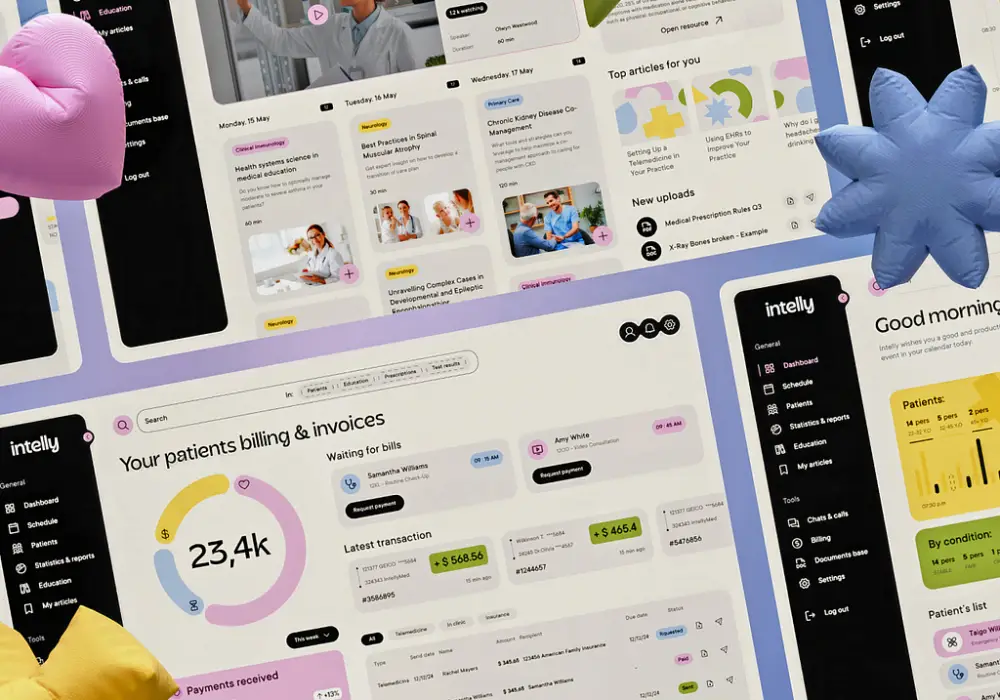
Successfully integrating a nearshore software team requires strategic planning and a structured approach. Here are comprehensive steps to guide you through this crucial process:
3.1. Assess Your Organization’s Skills and Project Requirements
Begin by conducting a detailed assessment of your internal team’s capabilities to identify specific skills gaps and areas where nearshore expertise is needed. Utilizing staff surveys and discussions can help clarify these needs. Develop a thorough project specification that reflects your requirements, which will be instrumental in selecting the right nearshore team.
With your project requirements in hand, create a shortlist of nearshore outsourcing firms that possess the specific skills you need, such as particular programming languages, frameworks, or experience with AI technologies. Approach each candidate with your project details and ask for a comprehensive breakdown of their proposed solutions and methodologies.
3.2. Evaluate Expertise and Verify Cultural Fit
It’s essential to ensure the potential nearshore team not only has the technical expertise but also aligns culturally with your organization. Review their previous software deliveries and client engagements to gauge their experience and capability in handling projects similar to yours.
Consider the structure of the team carefully; your IT vendor should assist in selecting the right mix of developers, QA engineers, project managers, and other specialists. Additionally, evaluate the flexibility of staffing solutions they offer, such as staff augmentation, which can be particularly beneficial for dynamically scaling your project needs.
Cultural alignment is crucial for smooth collaboration. Ensure that the nearshore team’s work ethic, values, and understanding of your industry are in harmony with your company’s culture. This alignment helps in managing the project efficiently and reduces misunderstandings.
3.3. Check Experience, Reputation, and Cost Transparency
Verify the nearshore company’s reputation by checking their certifications (like ISO/IEC 27001:2013 and ISO 9001:2015), industry awards, and testimonials on platforms like Clutch or GoodFirms. These elements attest to their credibility and commitment to quality and security.
Transparency in cost and the overall value proposition is also critical. Compare pricing structures and services offered by different providers to understand which offers the best value for money. Ensure there are no hidden costs and that the pricing model is clear and straightforward.
3.4. Implement Project Management Processes
With the right team in place, implementing strong project management processes is the next step. Leverage project management tools such as Basecamp, Jira, or Trello to enhance communication, track progress, and meet project milestones effectively. Clearly define roles and responsibilities, and assign project managers and team leaders to ensure tasks are completed on schedule.
Let’s talk
A consultation with the Client Relationship Manager, who represents TECHVIFY, without any commitment from your side, will give you:
- Structured and clear vision of your future application
- Information about how our software development company guarantees 100% on-time and on-budget delivery
- Recommendations for choosing the tech stack
- Advice on further steps
- Business-side recommendations
- Rough project estimation on software development
TECHVIFY is right where you need. Contact us now for further consultation:
4. Top Nearshore Software Development Regions in Asia

Asia has become a powerhouse in the global software development market, offering a diverse range of nearshore outsourcing options. Each country brings unique strengths and specialties to the table. Here’s a look at some of the top nearshore software development regions in Asia:
4.1. Vietnam
Vietnam has emerged as a significant player in the tech industry due to its competitive cost structure and a strong pool of young, skilled developers. The country has invested heavily in STEM education, resulting in a tech-savvy workforce well-versed in the latest programming languages and technologies. Companies in Vietnam are known for their expertise in software development, mobile app development, and e-commerce solutions.
4.2. Philippines
The Philippines offers a unique advantage with its large, English-speaking population, making communication seamless and effective. The country has a growing IT sector supported by government initiatives to boost technology education and infrastructure. Filipino developers are particularly noted for their customer service-oriented approach, making them ideal for projects that require high interaction with end-users or ongoing maintenance and support.
4.3. India
India is one of the largest and most established markets for software development outsourcing. It boasts a vast pool of talented developers and engineers with a broad range of expertise from basic software development to cutting-edge technologies like artificial intelligence and blockchain. Indian IT firms are known for their robust project management practices and scalability, making them suitable for large-scale and complex software projects.
4.4. Singapore
Singapore stands out for its highly developed tech ecosystem, strong intellectual property protection laws, and strategic location as a gateway to Asian markets. It is home to many regional headquarters of multinational technology companies. Singaporean firms excel in delivering high-quality, innovative software solutions and are ideal for projects requiring stringent data security and compliance with international standards.
4.5. Thailand
Thailand is rapidly growing as a technology hub in Southeast Asia, thanks to its supportive government policies and focus on digital transformation. Thai software development companies offer services ranging from web development to AI-driven analytics solutions. The country’s strong focus on tourism and hospitality industries also makes it a prime candidate for projects in these sectors, where local contextual understanding is crucial.
Learn More On:
5. Comparison of Nearshore Software Outsourcing to Other Models
When choosing a software development outsourcing model, it’s essential to understand the differences between nearshore, onshore, and offshore options. Each model caters to different project requirements and business strategies. Here’s a brief overview of these three main models:
5.1. Onshore Software Development:
Location: The vendor is located within your own country or region.
Advantages:
- Close Collaboration and Interaction: Ideal for projects requiring frequent meetings, real-time collaboration, and quick iterations. The proximity facilitates easier scheduling and face-to-face discussions.
- Data Security and IP Protection: Particularly beneficial for industries with strict data security needs or intellectual property concerns as local laws govern the contracts.
- Regulatory Compliance: Ensures that the software development adheres to local rules and regulations, which is crucial for sectors like finance, healthcare, and public services.
Use Case: Best suited for complex projects in regulated industries or when project oversight and frequent stakeholder involvement are necessary.
5.2. Nearshore Software Development:
Location: Outsourcing to vendors in regions geographically close to your country.
Advantages:
- Cultural and Time Zone Compatibility: Similar cultural backgrounds and small time differences enhance communication and workflow synchronization, making daily operations more efficient.
- Cost Efficiency: Provides a balance between cost and proximity, offering lower costs than onshore development without the challenges posed by significant geographical and cultural gaps.
- Flexible Scaling: Easier to scale up or down based on project needs without significant logistical challenges, providing agility to the development process.
Use Case: Ideal for businesses that require the benefits of a blend between onshore and offshore, such as startups needing agile development or companies expanding into new markets.
5.3. Offshore Software Development:
Location: Collaborating with vendors in remote regions, typically with a significant time difference (3+ hours).
Advantages:
- Cost Savings: Often the most budget-friendly option, allowing access to global talent at reduced rates.
- Access to Specialized Skills: Offers a vast pool of resources and specialized skills that might be scarce or more expensive in your home country.
- 24/7 Productivity: The time difference can be leveraged for round-the-clock work cycles, potentially speeding up the development process.
Use Case: Suitable for projects with well-defined processes that can be effectively managed remotely, such as software development projects not requiring frequent real-time communication or where cost is a significant factor.
| Feature | Onshore Software Development | Nearshore Software Development | Offshore Software Development |
|---|---|---|---|
| Location | Same country or region | Geographically close countries | Distant countries, different continents |
| Advantages |
|
|
|
| Ideal Use Case | Projects requiring frequent real-time collaboration. | Projects that balance cost and proximity needs. | Projects with well-defined processes that can be managed remotely. |
| Typical Communication | Frequent, often in-person | Regular, easy due to small time differences | Less frequent, managed through scheduled calls and updates |
| Project Management | Easier due to proximity | Relatively easy with manageable challenges | Requires robust processes and clear communication strategies |
| Cost | Highest among the three due to local rates | Lower than onshore, higher than offshore | Lowest, benefiting from global cost variations |
TECHVIFY – Global AI & Software Solution Company
From Startups to Industry Leaders: TECHVIFY prioritizes results, not just deliverables. Accelerate your time to market and see ROI early with high-performing teams, AI (including GenAI) Software Solutions, and ODC (Offshore Development Center) services.
- Email:[email protected]
- Phone:(+84)24.77762.666