The Importance of IoT in Manufacturing You Can’t Ignore
Author
The TECHVIFY Team is a group of experienced professionals passionate about technology and innovation.
In the fast-changing landscape of manufacturing, the Internet of Things (IoT) has shifted from being a luxury to a necessity. Industry 4.0 brings a wave of technological advancements that make businesses more adaptable, innovative, and resilient. From AI to wearables and 3D printing, these technologies drive innovative IoT applications in manufacturing and offer significant returns on investment.
This blog post will explore key points in applying IoT in manufacturing and discuss the upcoming trends set to revolutionize the industry.
I. IoT in Manufacturing: Market Overview
The Internet of Things (IoT) is a major step toward turning traditional factories into smart, connected environments. By integrating IoT, manufacturers can improve safety for frontline workers, increase productivity and efficiency, and drastically reduce costs. Let’s take a look at some compelling statistics that highlight the importance of IoT in manufacturing:
- Market Growth: The global IoT in manufacturing market is projected to grow from USD 33.2 billion in 2020 to USD 53.8 billion by 2025, at a Compound Annual Growth Rate (CAGR) of 10.1%.
- Digitization Benefits: According to a report by PwC, 90% of manufacturers believe that digitizing the production process will bring more long-term benefits than risks.
- Data Utilization from Smart Sensors: In the United States, around 35% of manufacturers collect and use data generated from smart sensors to enhance their manufacturing processes.
- Industry Spending: Experts predict that industries such as Discrete Manufacturing, Transportation & Logistics, and Utilities will spend $40 billion each on IoT platforms, systems, and services.
- Adoption Barriers: While 58% of manufacturers say IoT is essential for digital transformation, investment costs remain the most significant barrier preventing faster adoption of IIoT.
- Employee Productivity:Accenture reports that 46% of American companies see IoT as a major opportunity to improve employee productivity.
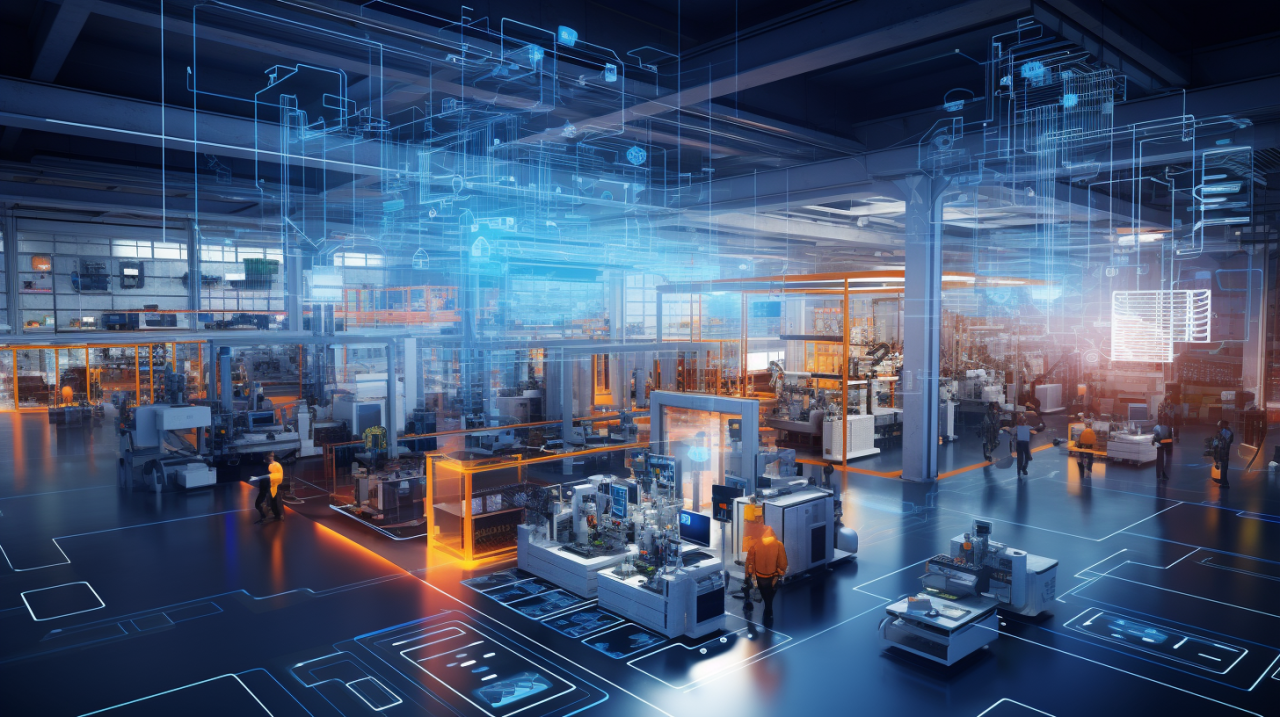
IoT in manufacturing industry
The shift toward Industry 4.0 is underway, and manufacturers are eager to adopt smart manufacturing, advancing towards a new level of interconnected systems. Intelligent systems. With the growing adoption of IoT technologies,
the manufacturing industry is on the verge of entering a transformative era of efficiency, safety, and innovation.
Still want to see more IoT articles? Check here:
II. Benefits of IoT in the Manufacturing Industry
As the manufacturing industry embraces digitization, companies are increasingly looking to enhance their operations through innovative technologies such as the Internet of Things (IoT).
Research shows that leading companies are quick to adopt Industry 4.0 technologies. The benefits of IoT in manufacturing are profound. Here’s how IoT is transforming the sector.
Preventing Machine Failures
Unplanned downtime is a major concern for manufacturers, with studies showing that 82% of companies experience it regularly. The financial impact can be significant, costing companies up to $260,000 per hour. Beyond financial loss, machine failures can also pose safety risks to workers.
IoT devices with sensors can monitor key parameters like temperature, vibration, and voltage. By analyzing this data, manufacturers can predict potential malfunctions and prevent breakdowns before they happen. This not only reduces downtime but also helps to create a safer working environment.
Increasing Profit Margins and Customer Satisfaction
IoT offers manufacturers the opportunity to improve service delivery through connected products. Remote diagnostics, for example, can reduce repair times, leading to higher customer satisfaction. When issues are identified early, manufacturers can address them before they affect product quality.
In addition, these real-time insights allow manufacturers to enhance product development, ensuring that future products meet higher standards. This drives profitability while improving the overall customer experience.
Streamlining Asset Management
Manufacturers are under pressure to meet rising customer expectations, particularly when it comes to faster delivery times.
IoT can help by providing real-time visibility into inventory levels across the supply chain. This enables manufacturers to manage their assets more efficiently, reducing the chances of stockouts or overstocking. With IoT, manufacturers can optimize their logistics networks and improve delivery performance without sacrificing accuracy.
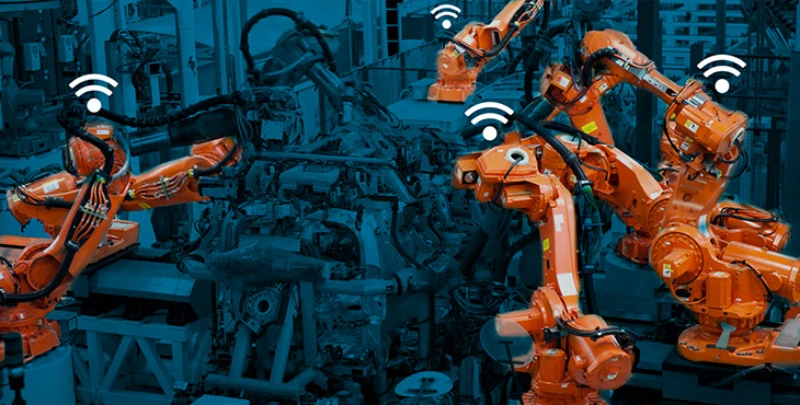
Internet of Things in manufacturing
Supporting Smarter Operations
Autonomous machinery is becoming a key component of modern manufacturing, and IoT plays a crucial role in enabling these systems to function effectively.
When machines are connected through IoT, they can communicate and coordinate their actions with minimal human intervention. This allows for more efficient workflows, reducing the need for manual oversight and minimizing errors. As a result, manufacturers can increase productivity while reducing operational costs.
Improving Product Quality
IoT sensors collect data at every stage of the production process, from raw material input to finished product output. This data allows manufacturers to monitor quality in real-time, ensuring that products comply with the required standards.
In addition, IoT can provide valuable insights into product performance after it leaves the factory. By analyzing customer feedback and usage data, manufacturers can pinpoint areas for improvement and address quality concerns more efficiently.
Enhancing Production Planning and Scheduling
IoT also plays a significant role in improving production planning and scheduling. With real-time monitoring of production lines, manufacturers can quickly adjust workflows to maintain efficiency.
For example, many companies rely on manual quality inspections, which can take up a significant portion of production time. By automating these inspections with IoT, manufacturers can reduce inspection times and improve overall productivity.
Ensuring Plant Safety and Security
Safety is a top priority in manufacturing, and IoT can help manufacturers monitor and improve plant safety. By tracking key safety metrics, such as vehicle incidents, equipment malfunctions, and employee attendance, IoT provides real-time insights that can prevent accidents before they occur.
IoT systems also help manufacturers comply with safety regulations, ensuring that they meet industry standards. However, IoT security remains a challenge. The technology can be vulnerable to cyberattacks, especially when security protocols are not standardized across different devices and suppliers. To mitigate these risks, manufacturers need to ensure that their operational technology and IT infrastructure are tightly integrated and well-protected against unauthorized access.
III. Popular Use Cases of IoT in Manufacturing
IoT technology is transforming the manufacturing sector by enabling new ways to optimize operations, reduce costs, and improve efficiency. Below are several key use cases illustrating how IoT is being applied in manufacturing.
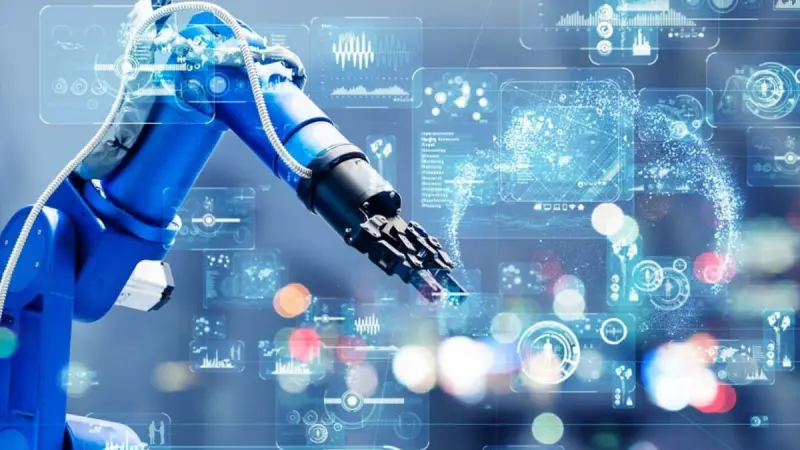
IoT and manufacturing
1. Remote Monitoring
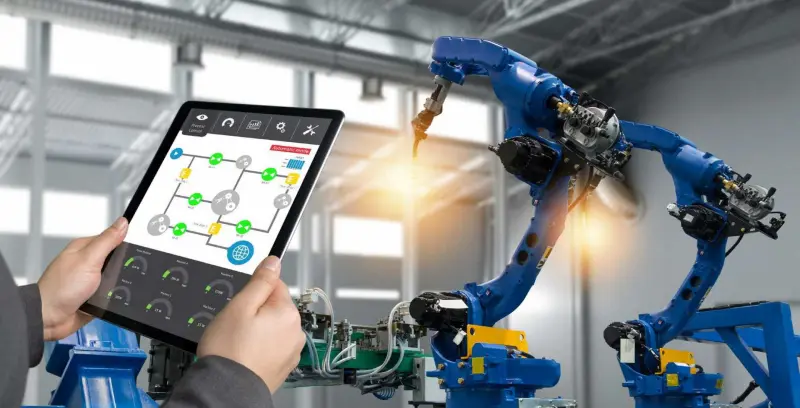
Remote monitoring is a powerful use case for manufacturers with industrial assets. IoT-connected sensors can monitor equipment usage, assess performance, and track the health of machinery. These sensors provide real-time data, allowing companies to deploy maintenance teams quickly if problems arise, reducing downtime and ensuring smooth operations.
This approach is opening the door to an emerging business model known as Equipment-as-a-Service (EaaS), where companies provide equipment on a subscription basis rather than an outright sale.
Example:
Armal, a leading manufacturer of portable toilets, needed to optimize the power consumption of the molding equipment used to create plastic frames and components for their products. By implementing IoT sensors in conjunction with industrial IoT software, Armal was able to remotely monitor the power consumption of its machinery throughout the production cycle.
This real-time monitoring solution helped Armal reduce energy costs by nearly 40%, completing their digital transformation by achieving comprehensive real-time power monitoring for each machine.
2. Digital Twins
Digital twins are becoming an increasingly popular use of IoT in manufacturing. According to IDC, companies that invested in digital twin technology in 2018 experienced up to a 30% improvement in cycle times for critical processes.
Digital twins, paired with IoT, allow businesses to create virtual models of physical equipment. These digital copies enable companies to simulate processes, identify issues, and optimize performance without risking damage to actual assets. Technologies such as Cloud, IoT, Extended Reality (XR), and AI are essential components of digital twin systems.
Example:
Kaeser, a leading provider of compressed air products, utilized digital twin technology to shift from selling products to offering services. By using digital twins, Kaeser could monitor the operational data of their equipment, particularly air consumption rates, throughout the product’s lifecycle. This allowed the company to charge customers based on their actual air consumption, rather than a fixed fee. As a result, Kaeser reduced commodity costs by 30% and onboarded nearly half of their major vendors using digital twin solutions.
3. Logistics Management
Managing logistics in manufacturing is often challenging due to uncontrollable factors like weather, potential fraud, and the complexity of overseeing numerous assets. For companies heavily reliant on transportation, IoT can create a connected ecosystem where devices and systems work together seamlessly.
IoT applications offer solutions for various logistics-related challenges, from warehousing management to fleet coordination and cargo tracking. By integrating IoT, businesses can enhance their logistics operations as part of their larger digital transformation efforts.
Example:
Amazon has improved its logistics operations through innovations such as standalone drop shipping bots and lockers, which not only increase delivery convenience but also reduce shipping costs. These advancements allow manufacturers to benefit from more efficient shipping processes.
Additionally, features like automatic order processing and real-time status updates help companies reduce the need for delivery staff, cutting overall operating costs. Connected bots used for last-mile delivery further reduce expenses while also boosting customer satisfaction. Logistics managers can utilize IoT to monitor fuel costs, manage repairs, and optimize deliveries, all of which enhance safety, reduce inventory damage, and lower insurance costs.
4. Manufacturing KPIs
Key Performance Indicators (KPIs) are essential metrics that manufacturers use to measure their performance, track progress, and make informed decisions. One of the most frequently used KPIs is Overall Equipment Efficiency (OEE), which assesses a factory’s performance based on availability, performance, and quality. However, while OEE is a useful metric, it should be complemented by other KPIs to gain a more comprehensive understanding of manufacturing performance.
Manufacturers can use a variety of KPIs to guide decision-making and ensure they are focusing on the right priorities. IoT platforms are essential in this process by providing dashboards, reports, and analytics that help businesses reduce the time and effort required to assess whether they are meeting their goals. These tools compile data into easy-to-understand visualizations, helping manufacturers stay on track and ensure they are moving in the right direction.
Example:
Industrial IoT platforms are increasingly used to compile and contextualize data into simplified reports and dashboards. These tools allow manufacturers to quickly determine whether their performance aligns with their expectations and goals. By doing so, companies can ensure they optimize processes, reduce inefficiencies, and drive continuous improvement throughout their operations.
Looking to Outsource Development?
Contact TECHVIFY – Vietnam’s Leading Offshore Software Development & Outsourcing Company, for consultation and development services.
IV. IoT in Manufacturing: Main Challenges
Clearly, IoT provides tremendous value to manufacturing. However, implementing IoT systems comes with its own set of challenges. The right IoT solution provider can help address these challenges and ensure your deployment is scalable, secure, and seamlessly integrated with your existing infrastructure. Here are a few key challenges manufacturers should consider when implementing IoT systems:
- Security
Security remains one of the biggest concerns for industrial IoT systems. Hackers who break into an industrial IoT environment could steal or modify critical process information, potentially compromising product quality. For highly regulated industries such as defense, healthcare, and critical infrastructure, these risks are even more pronounced. If IoT devices are not regularly updated, attackers can cause disruptions to business operations, with enormous impacts on revenue and reputation. - Interoperability
IoT platforms and protocols are subject to a range of standards, which can create interoperability issues when incorporating IoT devices into existing IT systems. Manufacturers, systems integrators, and organizations must work together to ensure that all devices communicate effectively, without creating data silos or operational bottlenecks. - Data Privacy
By connecting IoT sensors to the internet, manufacturers expose themselves to potential data privacy risks. Cyber threats can target sensitive operational and customer data, leading to privacy breaches that can result in regulatory penalties and damage to the company’s reputation.
A Solution: Private Networks
One way to tackle some of these challenges is through the use of private networks. Private networks are growing in popularity as organizations seek to lock down security within their own infrastructure and improve the quality of service. These networks allow manufacturers to maintain tighter control over their IoT environments, minimizing the risks associated with security, interoperability, and data privacy
V. Trends in Internet of Things in Manufacturing
As we move into 2024, the Internet of Things (IoT) continues to evolve, reshaping the manufacturing landscape by enhancing safety, automating processes, and bridging the gap between digital and physical environments. Below are some of the key IoT trends to watch in the manufacturing sector.
1. Employee Safety
According to the National Safety Council (NSC), the total cost of work-related injuries in 2019 was $171.0 billion, factoring in wage losses, medical expenses, and administrative costs. Given that manufacturing is one of the most hazardous industries, IoT will continue to play a critical role in improving employee safety and preventing injuries.
IoT Use Cases for Employee Safety:
- Wearables: Devices that monitor workers’ vital signs, such as heart rate and blood pressure, can send alerts when conditions become unsafe for continued work.
- Smart Sensors: Sensors that detect dangerous levels of heat, air pollution, radiation, or noise can trigger immediate alerts to protect workers from hazardous environments.
- Fire Sensors: These sensors detect temperature changes and can alert personnel before a fire becomes dangerous.
- Predictive Maintenance: IoT can identify when equipment is likely to fail, allowing for repairs or decommissioning before it poses a safety risk.
By leveraging IoT, manufacturers can minimize accidents and enhance overall workplace safety, a trend that is expected to gain even greater momentum in 2024.
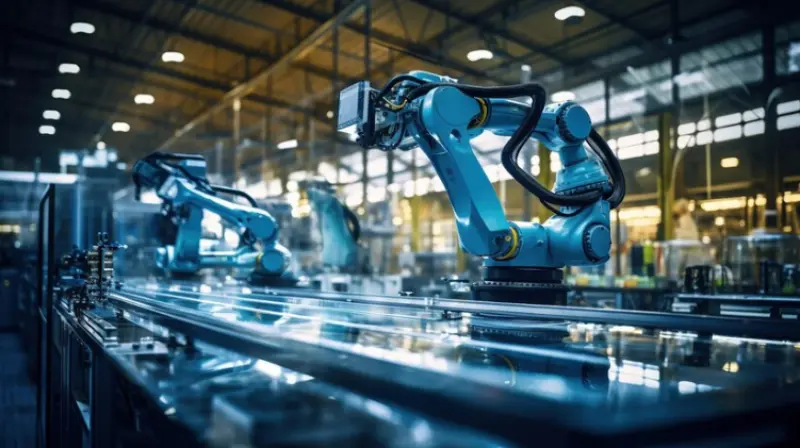
IoT in manufacturing
2. Security and Privacy
As IoT technology becomes more embedded in manufacturing, the risk of cyberattacks grows. Increased connectivity exposes systems to malware, ransomware, and data breaches, making security a top concern for IoT-enabled factories.
Ways to Protect the IoT Ecosystem:
- Physical Security: Ensure IoT devices are not lost or stolen by keeping thorough records of all connected devices.
- Risk Assessments: Regularly identify and assess potential risks to the IoT infrastructure.
- Encryption: Use encryption to protect data as it moves between devices, networks, and the cloud.
- Authentication: Implement strong authentication measures across all IoT touchpoints, including cloud, network, and software applications.
In 2024, manufacturers must embed security into their corporate culture, focusing on awareness and proactive measures to safeguard their connected systems.
3. Machine-to-Machine (M2M) Automation
M2M technology has long been a staple in industrial settings, allowing machines to communicate and manage data without human intervention. This trend is poised for further growth in 2024 as manufacturers seek to automate more aspects of their production processes.
IoT Use Cases for M2M Automation:
- Remote Monitoring: IoT sensors enable real-time monitoring of machines and systems, reducing the need for manual oversight.
- Product Restocking: Automated systems can detect when inventory levels are low and trigger restocking processes without human input.
- Asset Tracking: M2M technology can track and monitor assets throughout the supply chain, providing real-time data on the location and condition of goods.
To fully harness the potential of M2M automation, manufacturers should integrate IoT data with enterprise software like ERP systems. This integration allows technicians to monitor performance, track assets, and capture insights from a centralized platform, driving greater efficiency and optimization.
4. IoT Blended with VR and AR: Bridging the Digital and Physical Worlds
The combination of IoT with Virtual Reality (VR) and Augmented Reality (AR) is set to enhance both operational efficiency and innovation. These technologies offer significant economic advantages by improving profits, reducing costs, and creating new opportunities for product and service lines.
Use Cases of IoT with VR/AR:
- Equipment Management: IoT data can be overlaid with AR to visualize equipment breakdowns or malfunctions in real-time, helping technicians address issues more quickly.
- Space Management: AR applications can optimize inventory storage and create safe, efficient routes for workers to navigate through factory spaces.
- Employee Training: By using IoT data, manufacturers can create virtual prototypes of equipment or machinery, allowing employees to practice and learn through simulations. This reduces the risk of errors and accidents during actual operations.
In 2024, the blending of IoT with VR/AR will continue to gain momentum. This will help manufacturers close the gap between the digital and physical realms and offer new ways to optimize both production and employee training.
Conclusion
The Internet of Things is transforming the manufacturing industry, making operations more efficient, safer, and innovative than ever before. As businesses continue to embrace Industry 4.0, smart and interconnected systems are becoming essential to staying competitive. From predictive maintenance to real-time monitoring and the integration of AI, VR, and AR, IoT is helping manufacturers cut costs, improve product quality, and streamline operations.
By investing in IoT now, manufacturers can position themselves to lead in this new era of smart manufacturing.
Get in touch with TECHVIFY for a free consultation and learn how we can help you implement the right IoT solutions for your manufacturing needs. Whether you’re looking to enhance efficiency, improve safety, or streamline your operations, our team of experts is here to help every step of the way.
TECHVIFY – Global AI & Software Solutions Company
For MVPs and Market Leaders: TECHVIFY prioritizes results, not just deliverables. Reduce time to market & see ROI early with high-performing Teams & Software Solutions.
- Email:[email protected]
- Phone:(+84)24.77762.666