Difference Between IoT and IIoT – The Full Comparison
Author
The TECHVIFY Team is a group of experienced professionals passionate about technology and innovation.
Staying updated on technological advancements and their impact on our daily tasks—whether at home or on an industrial scale—is a constant challenge. Missing important developments can be costly for businesses, even though staying updated on new technology isn’t always easy.
The Internet and networking technologies work together to bring IoT products into homes and industries. Instead of focusing only on what IoT and IIoT have in common or what is the difference between IoT and IIoT, it’s important first to understand the basic ideas behind both. This knowledge will help you see how they can impact your life or business.
I. IoT & IIoT Definition Explained
Before we break down the differences, let’s make sure we understand their definitions.
What Is IoT?
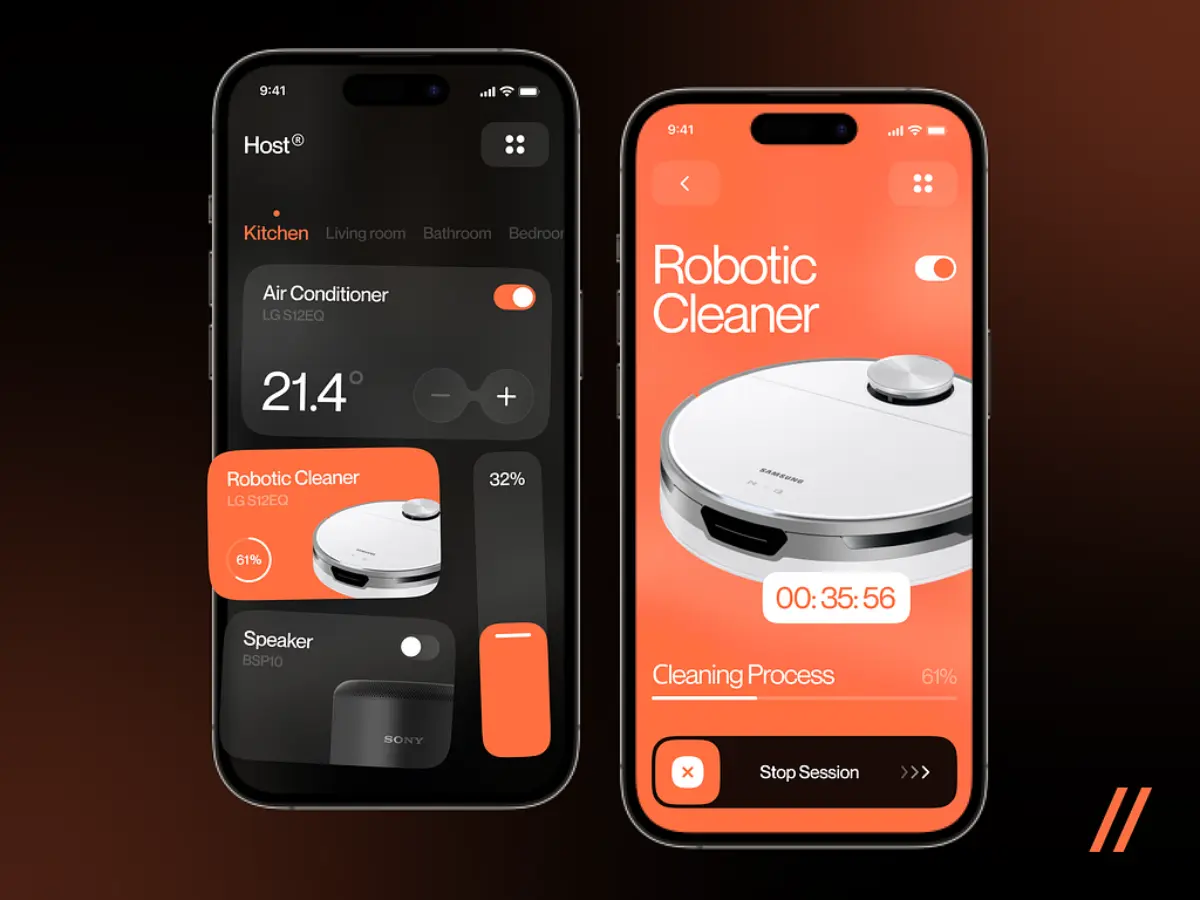
The Internet of Things (IoT) connects everyday devices to the Internet so they can send, receive, and use data. These devices, which have sensors, software, and other technologies, can talk to other devices and systems online. This allows people to monitor and control them remotely, making things more efficient, accurate, and cost-effective.
IoT covers a wide range of devices, from consumer gadgets like smart TVs, refrigerators, and fitness trackers to important medical devices and city infrastructure. In short, IoT turns regular objects into “smart” devices, letting them interact with people, other devices, and their surroundings in new ways.
In today’s digital world, IoT is a key part of many industries, including healthcare, transportation, entertainment, and home automation. It has the power to improve our daily lives, increase safety, and provide major economic benefits.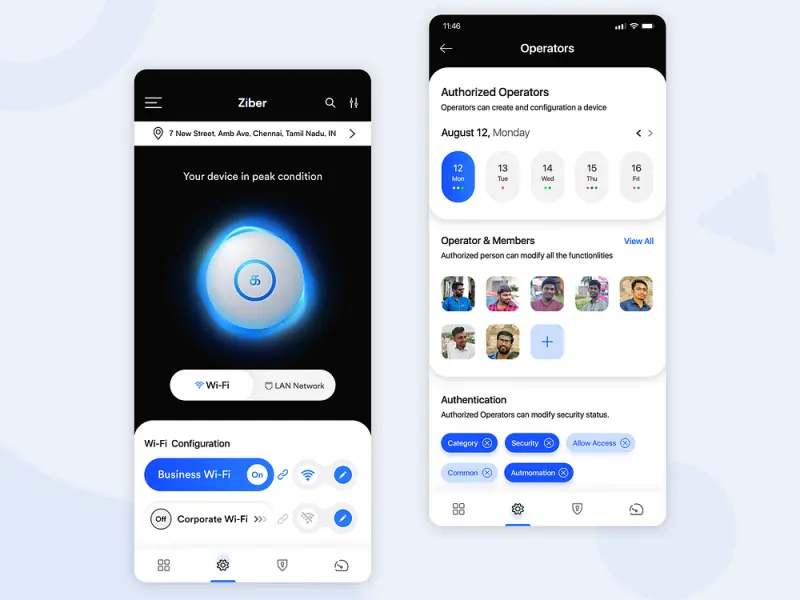
IoT vs IIoT
What Is IIoT?
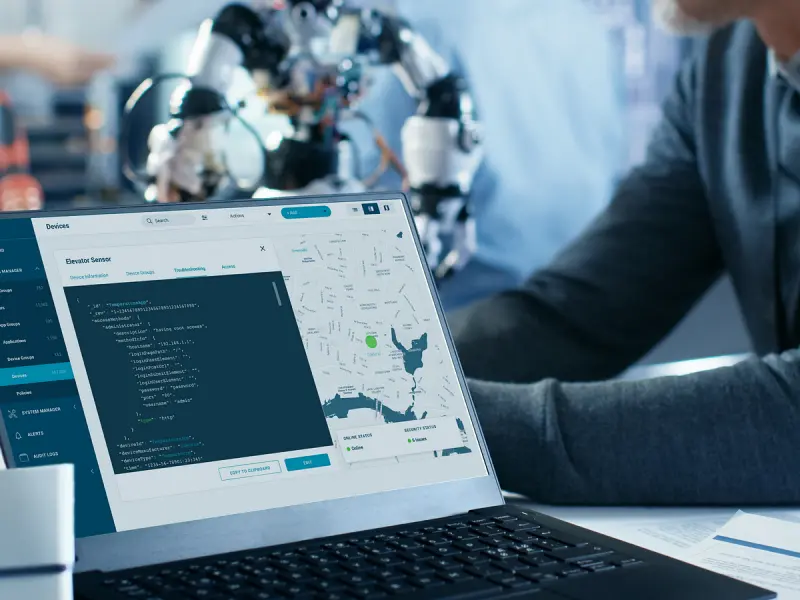
The Industrial Internet of Things (IIoT) is a part of IoT that focuses on industrial uses. It involves using IoT technologies in manufacturing, logistics, and energy industries. IIoT uses tools like smart sensors, machine learning, big data, and machine-to-machine (M2M) communication to improve industrial processes.
IIoT is more than just a trendy term; it’s a technology that’s changing how industries work by boosting efficiency, increasing productivity, and improving safety. It allows companies to monitor their systems in real-time, predict when things will need repairs, and even run operations without human input.
While both IIoT and IoT are based on similar ideas, they aren’t exactly the same. IoT mainly focuses on consumer products and making life easier, while IIoT aims to improve the efficiency and productivity of industrial systems.
Still want to see more IoT articles? Check here:
II. Comparing IoT vs IIoT: Similarities and Differences
Before we discuss the differences between the Internet of Things (IoT) and the Industrial Internet of Things (IIoT), let’s first look at what they have in common.
Similarities Between IoT vs IIoT
Both IoT and IIoT use similar ideas and technology. They connect smart devices to the cloud and collect data to help users make better choices. Here are some of the key similarities:
- Cloud Computing: Both IoT and IIoT need a cloud system to store and handle data.
- Machine Learning (ML) & Artificial Intelligence (AI): Both use ML and AI to help devices make smarter decisions.
- Input/Output Devices: They rely on sensors, cameras, and microphones to gather information.
- Internet Connection Required: Both IoT and IIoT require a fast and affordable internet connection to work properly.
Industrial Internet of Things vs Internet of Things
Difference Between IoT and IIoT
Although IoT and IIoT share some similarities, the difference between IoT and IIoT is still a lot. Below is a simple comparison:
| Attributes | Industrial Internet of Things (IIoT) | Internet of Things (IoT) |
|---|---|---|
| Focus | Industrial uses. | Home and commercial uses. |
| Main Goal | Improving complex industrial tasks with smart devices. | Making daily tasks easier with consumer devices. |
| Objective | Automating machines to improve safety, efficiency, and sustainability. | Providing convenience and making life easier for users. |
| Connectivity | Uses both wired and wireless connections. | Usually uses wireless connections. |
| Cybersecurity | Stronger and more advanced security systems. | Security is usually less complex and focused on basic needs. |
| Interoperability | Works with both old and new systems, like ERP and warehouse solutions. | Devices often work on their own or with a few other devices. |
| Sensors | Uses advanced sensors like pressure, torque, and RFID sensors. | Uses simple sensors like motion, temperature, and moisture sensors. |
| Precision & Accuracy | Very precise, able to manage industrial tasks down to milliseconds. | Accurate enough for small, specific tasks. |
| Data Volume | Handles large to very large amounts of data. | Manages medium to large amounts of data. |
| Programming | Can be programmed remotely or on-site. | Usually easier to program remotely. |
| Maintenance | Follows a set schedule for maintenance. | Maintenance is often up to the user. |
III. Applications of IoT & IIoT
To let you have a better understanding of the difference between IIoT and IoT applications, we’ve gathered the most popular ones:
IoT Applications
- Smart Homes
Smart homes are among the most well-known examples of IoT in action. They feature many connected devices, such as smart thermostats, lighting systems, security cameras, and appliances, all of which can communicate with each other and be controlled remotely. This connectivity makes life more convenient and helps save energy and boosts home security. - Wearable Health Devices
Wearable health devices are another key IoT application. These gadgets track important health data like heart rate, sleep patterns, and activity levels. The data is then analyzed to give users insights into their overall health, helping them make better choices about their lifestyle and healthcare needs. - Connected Vehicles
IoT is also changing the automotive industry. Connected vehicles come with internet access and can be shared with other devices both inside and outside the car. They provide features like real-time navigation, traffic updates, vehicle diagnostics, and even entertainment options, making the driving experience more enjoyable and efficient. - Smart Cities
IoT has a major role in building smart cities. From advanced traffic management systems and waste management solutions to smart energy grids and public safety improvements, IoT technologies help make urban areas safer, cleaner, and more efficient.
Looking to Outsource Development?
Contact TECHVIFY – Vietnam’s Leading Offshore Software Development & Outsourcing Company, for consultation and development services.
IIoT Applications
- Manufacturing Automation and Improvement
In manufacturing, IIoT is used to automate tasks and improve production processes. This includes real-time monitoring of machines, automated quality checks, and predictive maintenance. These applications boost efficiency, cut downtime, improve product quality, and lead to cost savings. - Predictive Maintenance
Predictive maintenance is a major use of IIoT. By constantly monitoring equipment, potential issues can be spotted before they cause breakdowns. This allows for timely repairs, which helps avoid expensive downtime and extends the lifespan of the machinery. - Supply Chain and Logistics Tracking
IIoT is also essential in managing supply chains and logistics. It allows for real-time tracking of goods, predictive planning for supply and demand, and automated inventory management. These features improve transparency, make processes more efficient, and reduce costs. - Energy Management and Smart Grids
In the energy sector, IIoT helps manage energy use more effectively and supports the development of smart grids. These grids rely on sensors, smart meters, and digital communication tools to track and manage the distribution of electricity, ensuring it efficiently aligns with users’ needs.
IV. Choosing Between IoT vs IIoT: Which Is Right for You?
Even when having a good understanding of IoT and IIoT difference. Still, trying to figure out whether IoT or IIoT is the best option for your needs? Let’s break it down further:
Consider the Impact
Think about what you’re trying to achieve. Are you looking for personal convenience, like automating tasks in a smart home? Or do you need to make big improvements to your business operations that could have a large financial impact? IoT is usually about making everyday life easier, while IIoT is focused on changing how industries work at a fundamental level.
Look at the Data
Ask yourself how you’ll use the data. IoT data is often used for convenience—like checking if you left the garage door open. On the other hand, IIoT data helps drive important decisions. For example, will a machine part break soon? Can you improve a process to boost production? If the data you need will influence major business decisions, IIoT is probably the better choice.
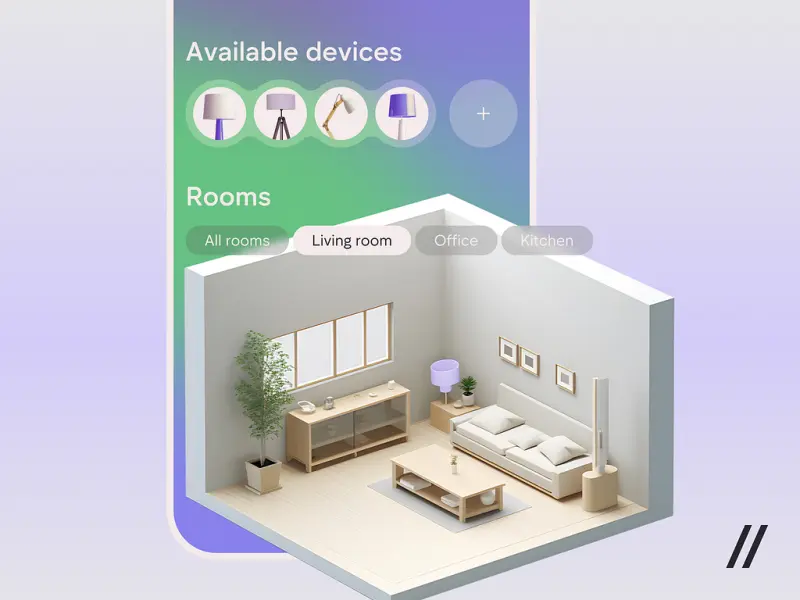
IoT and IIoT difference
Downtime Matters
How much downtime can you afford? If your smart speaker stops working, it’s annoying, but it’s not a big deal. However, if an IIoT system fails, it could stop production, leading to costly delays or even safety risks. IIoT systems need to be highly reliable, with backup systems in place. If downtime could hurt your business or be dangerous, investing in IIoT’s stronger infrastructure is a must.
Think About Complexity and Expertise
IoT devices are usually easy to set up and use, while IIoT systems often require more specialized skills. Do you have the IT expertise to manage it in-house, or the budget to hire outside help? IIoT systems may need expert engineers or consultants for setup, maintenance, and troubleshooting.
Budget for Costs
Finally, consider the costs. IIoT systems tend to be much more expensive. They often require advanced sensors, high-quality networking gear, and sophisticated analytics software. By contrast, IoT systems are generally more affordable for personal or small business use. However, for large organizations, the efficiency and cost savings that IIoT delivers over time can make the higher upfront investment worthwhile.
V. The Future of IoT and IIoT
The use of IoT and IIoT technologies is expected to rise significantly in the coming years. By 2025, it’s predicted that there will be around 30.9 billion connected devices worldwide. The global IIoT market, in particular, is set to grow to an estimated USD 1.1 trillion by 2028.
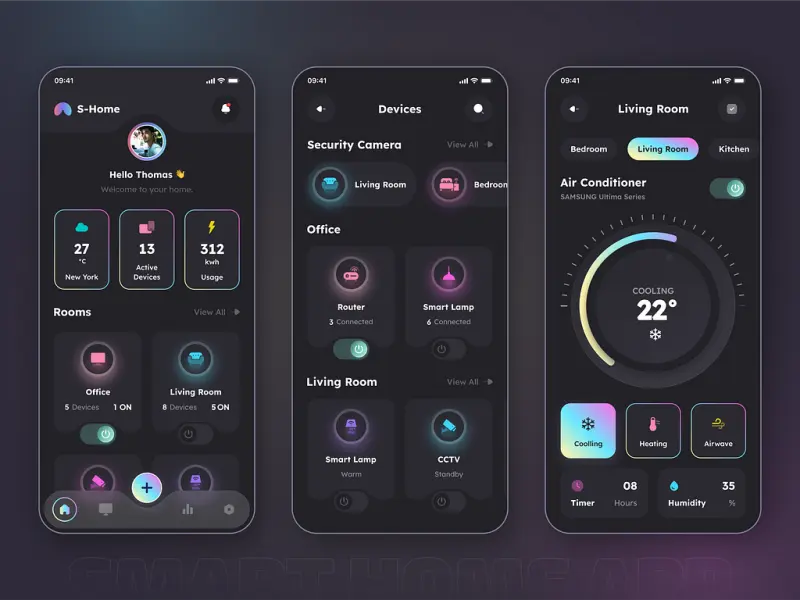
Difference between IoT and IIoT
These technologies are already making an impact across various industries, from consumer goods to manufacturing and healthcare. As they continue to evolve, IoT and IIoT will drive digital transformation and profoundly change how industries operate, especially when combined with other Industry 4.0 technologies. When used alongside automation, data analytics, artificial intelligence, and other advanced tools, IoT and IIoT can be even more powerful.
Currently, companies adopting IoT and IIoT can gain a competitive advantage. More and more businesses will need to leverage these technologies to stay ahead, and their importance will only increase in the years to come. On a personal level, these technologies will also become a bigger part of everyday life. As the world becomes more connected, smarter, and digitized, IoT and IIoT will play a growing role in our work and home environments.
Conclusion
The rise of IoT and IIoT is driving a new era of connectivity, transforming everything from personal convenience to industrial efficiency. Whether you’re automating daily tasks or optimizing large-scale operations, these technologies are reshaping the way we live and work. As IoT and IIoT continue to evolve, keeping ahead of the trend is crucial for sustaining a competitive edge.
Understanding the difference between IoT and IIoT is just the start. While IoT simplifies everyday life, IIoT powers greater productivity and safety for businesses, which are becoming more crucial in today’s fast-paced world. The possibilities are endless, and the time to act is now.
If you’re ready to explore how IoT or IIoT can unlock new opportunities for you or your business, TECHVIFY is here to help. Let’s chat about your vision, and our team will guide you through everything—from strategy to implementation. Whether you’re just getting started or looking to scale, we’re excited to be your partner on this journey.
TECHVIFY – Global AI & Software Solutions Company
For MVPs and Market Leaders: TECHVIFY prioritizes results, not just deliverables. Reduce time to market & see ROI early with high-performing Teams & Software Solutions.
- Email:[email protected]
- Phone:(+84)24.77762.666