Der Unterschied zwischen Eager Loading und Lazy Loading
Author
Das TECHVIFY-Team besteht aus erfahrenen Fachleuten, die eine Leidenschaft für Technologie und Innovation teilen.
Der Vergleich von Eager Loading vs Lazy Loading ist ein Thema von großer Bedeutung. Es ist wichtig zu verstehen, was Eager Loading und Lazy Loading sind. In diesem Artikel werden wir erläutern, was Eager Loading und Lazy Loading sind, ihre Vorteile und wann man welche Methode einsetzen sollte. Dieser Leitfaden hilft Ihnen, fundierte Entscheidungen in Ihren Entwicklungsprojekten zu treffen und die richtige Strategie zu nutzen.
I. Verständnis von Eager Loading vs Lazy Loading
1. Eager Loading
Definition
Eager Loading ist ein vorauseilender Ansatz für Datenverarbeitung und Ressourcenmanagement. Bei dieser Strategie lädt eine Anwendung die benötigten Daten und Ressourcen während der initialen Ladephase. Diese Methode ist vergleichbar mit einem „Großeinkauf“, bei dem alles, was Sie möglicherweise benötigen, auf einmal beschafft wird, unabhängig davon, ob Sie es sofort vollständig nutzen oder nicht.
Vorteile
- Konsistenz im Benutzererlebnis: Da alle Ressourcen zu Beginn geladen werden, erleben Nutzer keine Unterbrechungen oder Verzögerungen beim Zugriff auf verschiedene Teile der Anwendung.
- Reduzierte Serveranfragen: Eager Loading minimiert die Anzahl der Serveranfragen nach dem initialen Laden, was besonders wichtig für Anwendungen mit begrenzter serverseitiger Verarbeitungskapazität oder bei hoher Netzwerklatenz ist.
- Vereinfachter Entwicklungsprozess: Entwickler können die Komplexität vermeiden, die mit dynamischem Ressourcenladen verbunden ist, was zu einem einfacheren Entwicklungsprozess führt.
2. Lazy Loading
Definition
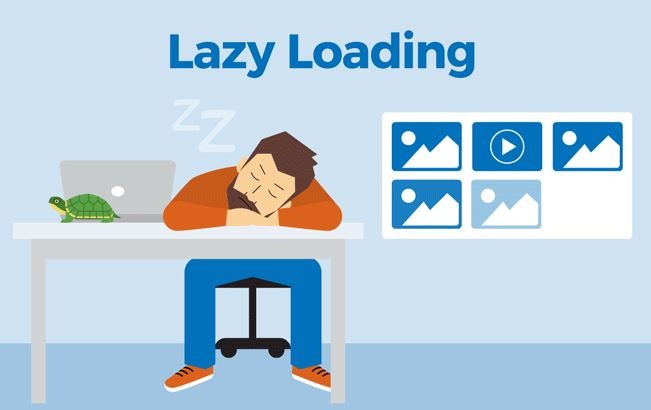
Lazy Loading ist ein verzögerter Ladeansatz. Er verschiebt das Laden von Ressourcen und Daten strategisch, bis diese tatsächlich benötigt werden. Diese Methode ist vergleichbar mit dem Einkaufen von Lebensmitteln nach Bedarf, anstatt alles auf einmal zu bevorraten.
Vorteile
- Optimierte anfängliche Leistung: Durch das anfängliche Laden nur des Nötigsten kann die Anwendung schneller starten, was besonders hilfreich ist, um Nutzer zu halten, die durch lange Ladezeiten abgeschreckt werden könnten.
- Ressourcenschonung: Dieser Ansatz ist ressourceneffizient, da er den Speicherverbrauch reduziert und Bandbreite spart, was für Nutzer mit begrenzten Datenplänen oder Geräten mit geringerer Leistung von Vorteil ist.
- Skalierbarkeit: Lazy Loading kann zur Skalierbarkeit einer Anwendung beitragen, da es ermöglicht, steigende Datenmengen oder Nutzerzahlen zu bewältigen, ohne die initialen Ladezeiten proportional zu erhöhen.
II. Hauptunterschiede zwischen Lazy Loading und Eager Loading
Das Verständnis der Unterschiede zwischen Lazy Loading und Eager Loading ist entscheidend, um Leistung und Benutzererlebnis in verschiedenen Anwendungen zu optimieren. Hier sind die wichtigsten Unterschiede:
| Aspekt | Lazy Loading | Eager Loading |
|---|---|---|
| Zeitpunkt der Ressourceninitialisierung | Verzögert die Initialisierung bis zur Notwendigkeit, lädt Ressourcen wie Bilder oder Daten erst beim Zugriff oder wenn eine Bedingung erfüllt ist. | Initialisiert oder lädt Ressourcen sofort, sobald der Code ausgeführt oder die Seite geladen wird, unabhängig vom unmittelbaren Bedarf. |
| Auswirkung auf die Leistung | Reduziert die anfänglichen Ladezeiten, ideal für Geschwindigkeit und Reaktionsfähigkeit, kann jedoch Verzögerungen beim erstmaligen Zugriff auf Ressourcen verursachen. | Gewährleistet sofortige Verfügbarkeit der Ressourcen, sorgt für ein reibungsloseres Erlebnis nach dem Laden, führt aber zu längeren initialen Ladezeiten. |
| Bandbreiten- und Speicherverbrauch | Effizienter, lädt nur benötigte Ressourcen, vorteilhaft für mobile Nutzer oder bei begrenzter Bandbreite. | Verbraucht mehr Bandbreite und Speicher im Voraus, da alle Ressourcen geladen werden, was bei begrenzten Ressourcen weniger effizient ist. |
| Anwendungsszenarien | Geeignet für Anwendungen mit vielen Funktionen/Inhalten, ideal für mobile Geräte oder wechselnde Netzwerkbedingungen. | Passend für kleinere Anwendungen, bei denen alle Ressourcen von Anfang an benötigt werden, wie bestimmte Desktop-Anwendungen. |
| Komplexität und Wartung | Komplexere Logik für bedarfsorientiertes Laden, was die Wartung des Codes erschwert. | Einfacher zu implementieren, keine zusätzliche Lade-Logik, kann aber Optimierungen für das initiale Laden erfordern. |
| Benutzererlebnis | Verbessert das Erlebnis durch reduzierte initiale Ladezeiten, kann jedoch den erstmaligen Zugriff auf Funktionen/Inhalte verzögern. | Konsistentes Erlebnis nach dem initialen Laden, alle Funktionen verfügbar, aber längere Ladezeiten zu Beginn können die Nutzerbindung beeinträchtigen. |
Sehen Sie sich unseren ausführlichen Vergleich und Leitfaden an:
III. Eager Loading vs Lazy Loading – Welche Methode wählen?
1. Wann Eager Loading verwenden
Eager Loading, die Strategie, alle notwendigen Ressourcen im Voraus zu laden, ist in bestimmten Szenarien besonders effektiv:
- Kleine bis mittelgroße Datensätze
In Anwendungen, in denen der Datensatz relativ klein oder mittelgroß ist, ist Eager Loading vorteilhaft. Dies liegt daran, dass die Gesamtgröße der Daten überschaubar ist und die initiale Ladezeit nicht wesentlich beeinflusst. Die Anwendung kann ein reibungsloseres Benutzererlebnis bieten, ohne spürbare Verzögerungen während des Betriebs, indem alle Ressourcen zu Beginn geladen werden. - Enterprise-Anwendungen
Für Unternehmensanwendungen, bei denen konsistente Leistung und sofortige Verfügbarkeit aller Funktionen entscheidend sind, ist Eager Loading oft die bevorzugte Wahl. In solchen Umgebungen ist die initiale Ladezeit weniger wichtig als der Bedarf an ständigem, unterbrechungsfreiem Zugriff auf alle Funktionen. Dieser Ansatz stellt sicher, dass Nutzer sofort Zugriff auf das gesamte Funktionsangebot haben, was in professionellen Umgebungen, in denen Effizienz und Zuverlässigkeit oberste Priorität haben, unerlässlich ist. - Hochgeschwindigkeitsnetzwerke
Eager Loading ist auch vorteilhaft, wenn Nutzer über schnelle Internetverbindungen verfügen. In diesen Fällen ist die Kapazität, größere initiale Lasten zu bewältigen, höher, wodurch die Auswirkungen des gleichzeitigen Ladens aller Ressourcen minimiert werden. Nutzer in solchen Netzwerken erleben weniger wahrscheinlich erhebliche Verzögerungen, was Eager Loading zu einer praktikablen Option macht, um von Anfang an ein nahtloses Erlebnis zu bieten.
2. Wann Lazy Loading verwenden
Im Gegensatz dazu ist Lazy Loading, das Ressourcen bedarfsorientiert lädt, in anderen Szenarien besser geeignet:
- Inhaltsreiche Anwendungen
Anwendungen wie Medien-Streaming-Dienste oder große E-Commerce-Plattformen mit umfangreichen Inhalten profitieren stark von Lazy Loading. In diesen Fällen wäre das sofortige Laden aller Inhalte weniger praktisch und effizient, da Nutzer in der Regel nur einen Bruchteil des gesamten Inhalts zu einem Zeitpunkt abrufen. Lazy Loading sorgt dafür, dass Ressourcen geschont werden und die Anwendung reaktionsfähig bleibt, indem Inhalte nur bei Bedarf geladen werden. - Mobile Anwendungen
Lazy Loading ist oft der beste Ansatz für mobile Anwendungen, bei denen Geräte-Ressourcen (wie Akkulaufzeit und Rechenleistung) sowie Datenverbrauch wichtige Faktoren sind. Diese Methode minimiert den Ressourcenverbrauch der App, verbessert die Leistung und das Benutzererlebnis auf mobilen Geräten. Zudem reduziert sie den Datenverbrauch, was für Nutzer mit begrenzten Datenplänen oder in Gebieten mit langsamer Internetverbindung entscheidend ist. - Benutzerzentrierte Anwendungen
Lazy Loading ist besonders effizient in Anwendungen, bei denen verschiedene Nutzer unterschiedliche Bedürfnisse haben und auf unterschiedliche Daten oder Funktionen zugreifen. Anstatt alle Funktionen und Daten im Voraus zu laden, was verschwenderisch und ineffizient sein kann, ermöglicht Lazy Loading, den Ladeprozess basierend auf individuellen Nutzerinteraktionen und -bedürfnissen anzupassen. Dieser Ansatz verbessert die Leistung und das gesamte Benutzererlebnis, indem eine maßgeschneiderte Oberfläche und Funktionalität bereitgestellt werden.
Fazit
Die Wahl zwischen Eager Loading und Lazy Loading ist entscheidend für die Leistung und das Benutzererlebnis Ihrer Anwendung. Eager Loading bietet sofortige Verfügbarkeit von Ressourcen, ideal für kleinere, vorhersehbare Anwendungen, während Lazy Loading die initialen Ladezeiten und Effizienz verbessert und sich für inhaltsreiche oder mobile Plattformen eignet.
Die Navigation durch diese Strategien kann herausfordernd sein, aber Sie müssen es nicht allein tun. TECHVIFY passt diese Ansätze an Ihre Bedürfnisse an und stellt sicher, dass Ihre Anwendung die Erwartungen der Nutzer erfüllt und übertrifft. Kontaktieren Sie TECHVIFY noch heute für fachkundige Beratung und Lösungen.
TECHVIFY – Globales AI- & Software-Lösungsunternehmen
Von Startups bis zu Branchenführern: TECHVIFY setzt auf Ergebnisse, nicht nur auf Lieferungen. Beschleunigen Sie Ihre Markteinführung und sehen Sie frühzeitig ROI mit leistungsstarken Teams, AI (einschließlich GenAI) Softwarelösungen und ODC (Offshore Development Center) Services.
- E-Mail:[email protected]
- Telefon:(+84)24.77762.666