5 Different Types of Software Used in Healthcare Industry: A Comprehensive Overview
Author
The TECHVIFY Team is a group of experienced professionals passionate about technology and innovation.
Digital transformation has swiftly become a reality in all aspects of business, including healthcare. The necessity of digitizing health services has been highlighted by 2020 and the COVID-19 pandemic. Both public and commercial healthcare providers face new problems and must explore new technological options.
A recent report from Meticulous Research predicted that the healthcare IT market would grow by 13.8% CAGR (Compound Annual Growth Rate) each year, reaching around $511 billion by 2027. That projection was made before the COVID-19 pandemic, which means the actual numbers could end up even higher. The pandemic pushed many hospitals and clinics to embrace digital tools, especially mobile apps, and that trend hasn’t slowed down.
Technology will continue to permeate all parts of healthcare, from staffing and facility administration to patient care and diagnostics. Healthcare businesses can now select from various healthcare software and customize it to their specific requirements. In this piece, we will examine 5 different types of software used in healthcare industry that have recently acquired prominence and will undoubtedly maintain their position in the future.
5 Different Types of Software Used in The Healthcare Industry
Different types of software used in the healthcare industry are improving efficiency, improving patient care, and streamline procedures. The following are some popular types of software used in healthcare that can answer the question “what software is used in healthcare”: Applications for modern healthcare software that promote better patient care, operational effectiveness, and increased interprofessional communication.
1. Electronic Health Record (EHR) Systems
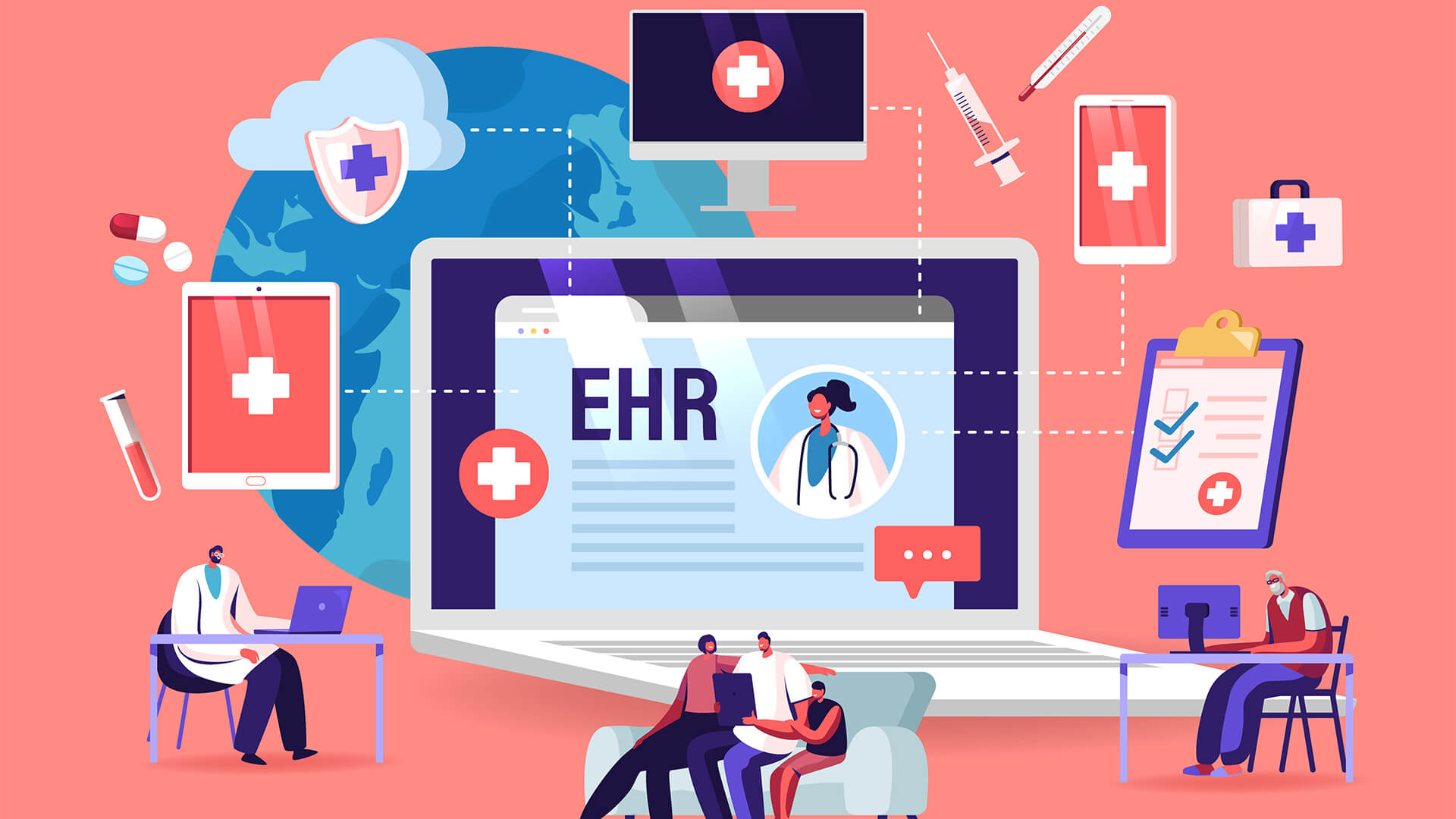
Electronic Health Record (EHR) software is one of the most widely used digital tools in modern healthcare. Think of it as a medical version of a customer relationship management (CRM) system, designed specifically for hospitals, clinics, and other care providers. Its primary role is to organize and store detailed patient information in a secure, centralized system.
EHR software keeps a complete digital record of a patient’s medical history—from doctor visits and lab results to prescriptions and treatment plans. It helps healthcare professionals make more informed decisions by giving them quick access to accurate, up-to-date information. Many systems include built-in tools that support clinical decisions by offering data-driven recommendations and treatment options.
Most EHR platforms also include helpful extras, like a financial module for billing and payments, and a dedicated patient portal. These portals allow patients to log in and view their consultation history, download prescriptions, or even track ongoing treatment plans—all from the comfort of their own device. This transparency supports better communication and empowers patients to take a more active role in their care.
There are two common types of EHR software used in the healthcare industry:
- Electronic Patient Record (EPR) systems are used internally within hospitals to manage and store patient information across departments.
- Electronic Medical Record (EMR) systems focus more on clinical data, such as prescribed medications, past procedures, and recovery progress. These are often used in individual practices or clinics.
By connecting care teams and streamlining access to vital information, EHR software plays a key role in improving patient outcomes and making healthcare more efficient.
Healthcare Industry in TECHVIFY:
- IoT in healthcare: Exploring Definitions, Impacts and Applications
- Top 5 Best CRM healthcare software in 2025
2. Medical Imaging Software
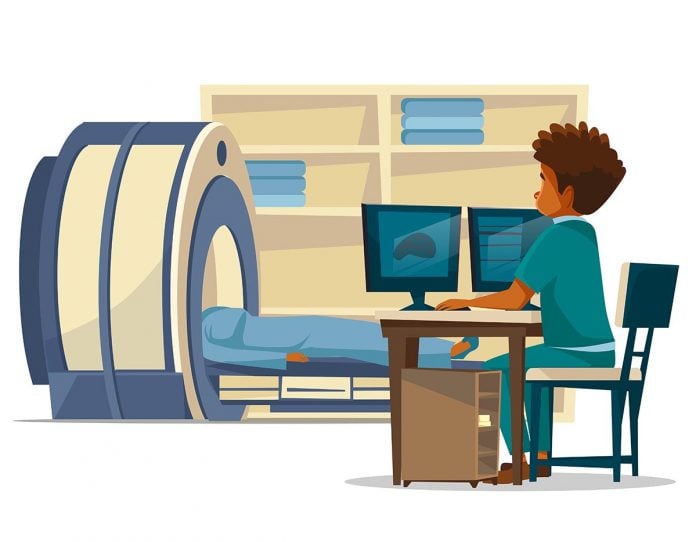
Medical imaging and visualization software plays a vital role in modern diagnostics and treatment planning. It’s primarily used to process detailed scans—like MRIs, CTs, and PET scans—and to create 3D models that help doctors better understand what’s happening inside the body.
One of the most powerful features of medical imaging software is 3D modeling. These tools allow medical professionals to create highly accurate, patient-specific models of organs, bones, or tissues. For example, in orthodontics, a 3D model of a patient’s teeth can be generated and even printed before treatment begins. This helps ensure better planning and more precise results.
Beyond diagnostics, this software is also used for designing and printing custom medical equipment or even body parts. Surgeons can create a 3D-printed model of a coronary stent or an artificial limb tailored to the patient’s anatomy. This level of personalization improves the fit, function, and overall success of medical procedures.
By combining advanced imaging with 3D technology, this software is transforming how healthcare professionals diagnose, plan, and perform treatments—offering a glimpse into the future of personalized medicine.
3. Hospital Management Systems (HMS)
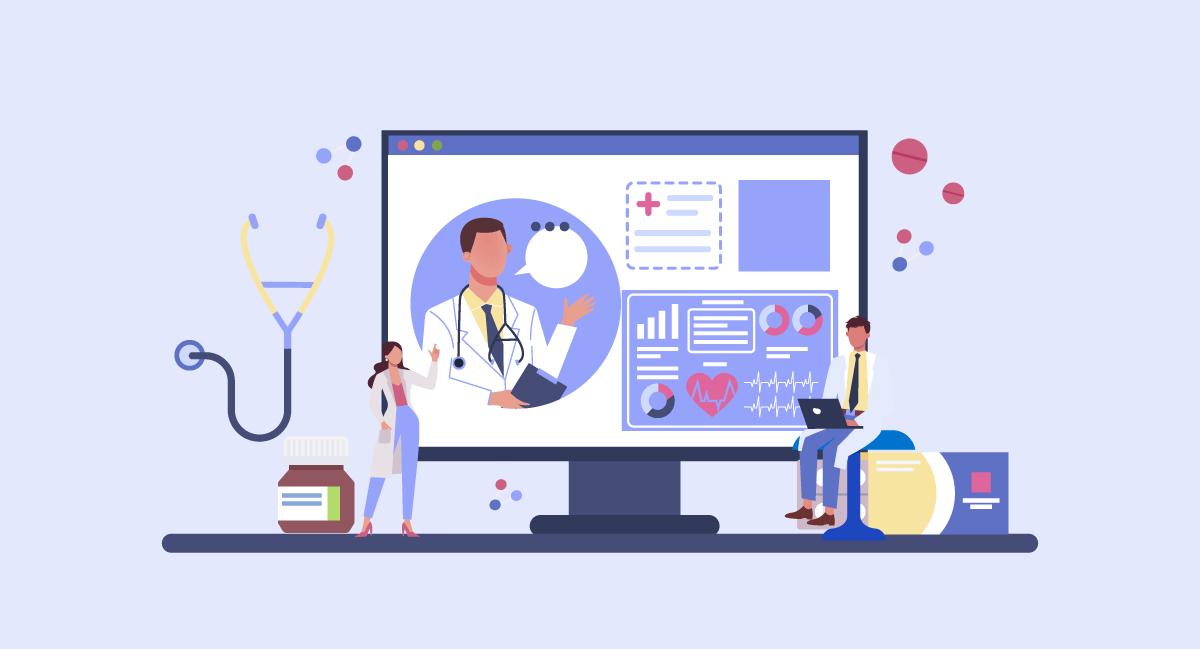
Hospital Management Systems, or HMS for short, are powerful software platforms designed to manage the day-to-day operations of hospitals and large medical centers. Think of them as the digital backbone of a healthcare facility—they bring together various tools and departments under one roof, helping everything run smoothly and efficiently.
- An HMS is usually made up of several modules, each focused on a specific task. These modules often include:
- A centralized EHR (Electronic Health Record) database to store patient information
- Appointment scheduling tools that help staff manage bookings and reduce wait times
- E-prescription features for securely sending prescriptions to pharmacies
- An integrated CRM (Customer Relationship Management) system to improve patient engagement and communication
Many hospital management systems also come with built-in features for hospital administration. These tools help automate routine tasks like managing patient room assignments, tracking medical supplies and equipment, handling billing and accounting, and scheduling operating rooms.
By streamlining both clinical and administrative workflows, HMS platforms allow healthcare providers to focus more on patient care—and less on paperwork. They’re especially valuable in large or busy facilities, where coordination between departments is critical.
4. Health Tracking Apps

The rise of mobile health, or mHealth, has transformed how people monitor and manage their well-being. In 2019 alone, the global mHealth app industry was valued at an impressive $37 billion—and it has only grown since then.
A major share of this market comes from popular app categories such as:
- Fitness apps, like 8fit, which guide users through personalized workouts and physical activity tracking.
- Diet and nutrition apps, such as Fitatu Calorie Counter, which help users manage their eating habits and reach dietary goals.
- Mental wellness apps, including well-known names like Calm and Shine, which focus on meditation, stress reduction, and sleep improvement.
Many of today’s health tracking apps also integrate seamlessly with IoT (Internet of Things) devices, offering real-time data collection and personalized insights. These devices include:
- Wearable wristbands like Fitbit, used for sleep tracking and activity monitoring
- Smart jewelry, such as the Oura Ring, which tracks sleep, heart rate, and readiness scores
- Connected glucometers for blood sugar monitoring
- Smart thermometers, often used in apps like Kindara for menstrual cycle tracking and fertility awareness
These tools empower users to take charge of their health by giving them access to insightful data about their body and habits. Whether it’s improving sleep quality, managing stress, or tracking glucose levels, health apps are helping people make better lifestyle choices—right from their phones or smartwatches.
5. Medical Database Software
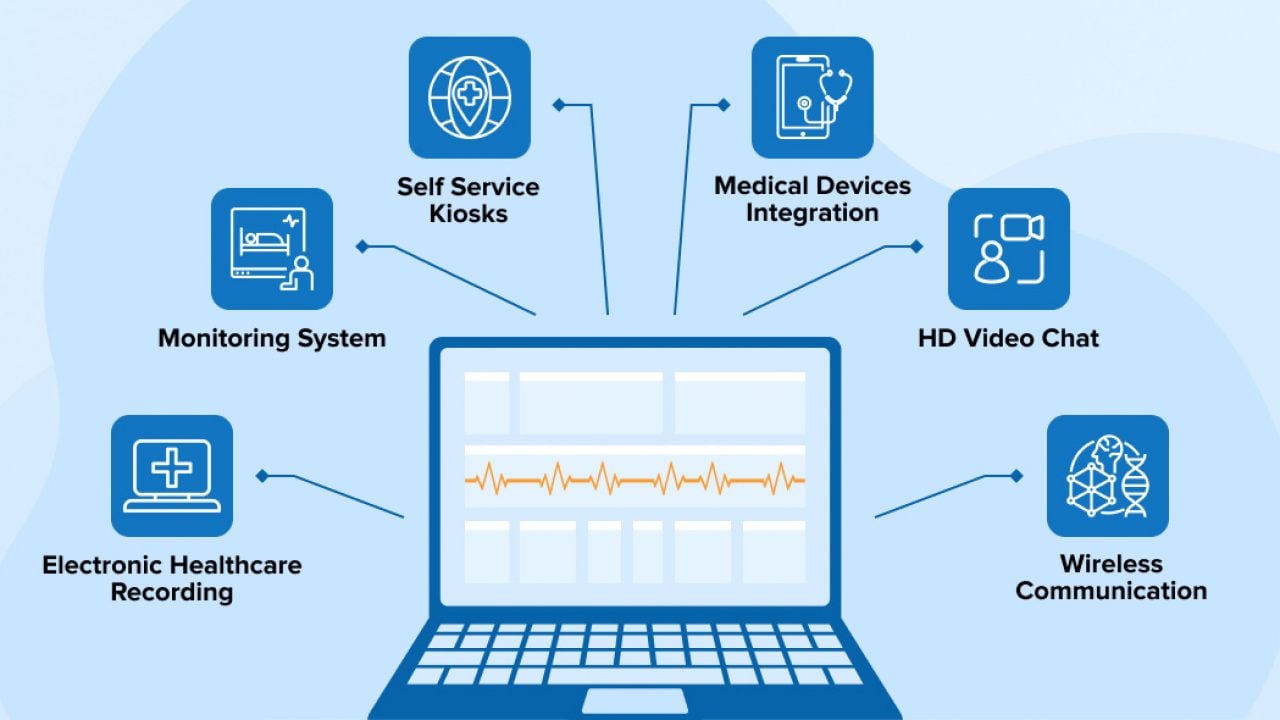
Medical database software is similar to Electronic Health Record (EHR) systems in that it stores valuable clinical information—but with one key difference. Instead of organizing data by individual patients, it categorizes information by disease. This makes it easier for healthcare professionals to study patterns, compare cases, and make more informed decisions.
This type of software is especially helpful in two main ways. First, it supports better clinical decision-making by allowing doctors to compare a current case with a wide range of similar cases. Second, it serves as an educational tool, giving medical professionals access to real-world examples they can use to deepen their knowledge of specific conditions.
For instance, a dermatologist looking into a case of Atopic Dermatitis could use a medical database to pull up past cases, analyze symptoms, review treatment plans, and see how different patients responded over time. With this data at their fingertips, doctors can tailor treatments more effectively and improve patient outcomes.
In short, medical database software acts as both a research resource and a decision-support system—helping doctors learn from the past to treat better in the present.
Why is The Use of Information Systems in Healthcare Important?
| Efficient Data Management | Information systems manage vast amounts of patient data, enabling secure access to medical histories, diagnoses, treatment plans, and test results. |
| Improved Patient Care and Safety | The integration of software applications has improved communication among healthcare personnel, resulting in speedier diagnosis, fewer medical errors, and more patient safety. Electronic prescribing systems are extremely effective at preventing drug mistakes and drug interactions. |
| Enhanced Decision Support | Medical information systems provide decision support tools to specialists, allowing them to make evidence-based and well-informed decisions for their patients. For better treatment selection, CPOE systems provide real-time notifications and clinical guidelines. |
| Streamlined Administrative Processes | Software-based systems optimize administrative duties like billing, scheduling, and inventory management, decreasing paperwork and errors and freeing up suppliers’ time to focus on patients. |
| Facilitation of Telemedicine | Information technology systems make it possible for specialists who provide remote treatment, consult with and monitor patients in rural or remote places, and ensure healthcare services. |
There’s a lot happening in healthcare technology that many people don’t see. While most are familiar with apps for video calls or booking appointments, there’s a much broader world of medical software working behind the scenes. For example, robotic surgery software helps doctors perform extremely precise procedures, often with greater accuracy and less risk. Medical billing systems make it easier to track payments and insurance claims, reducing paperwork and human error. And for students and trainees, interactive platforms offer hands-on learning experiences that prepare them for real-world challenges.
All of these tools serve a purpose. They’re built to solve real problems—whether it’s saving time, improving accuracy, or making care more accessible. As the healthcare industry continues to face new demands, developers are constantly creating smarter, more user-friendly solutions to keep up.
Conclusion
In conclusion, these 5 different types of software used in healthcare industry have become the backbone of the modern healthcare industry. They have improved data management, decision-making, and patient care while also streamlining administrative processes. By embracing these technologies, healthcare professionals will be able to provide better care, enhance patient outcomes, and adapt to the ever-changing healthcare scene.
As technology advances, we could anticipate even more inventive software solutions to define the future of healthcare. Accepting these improvements would definitely pave the way for a more efficient, patient-centered, and accessible healthcare system for all. The increasing collaboration between technology and healthcare is poised to build a healthier planet for future generations.
TECHVIFY – Global AI & Software Solution Company
From Startups to Industry Leaders: TECHVIFY prioritizes results, not just deliverables. Accelerate your time to market and see ROI early with high-performing teams, AI (including GenAI) Software Solutions, and ODC (Offshore Development Center) services.
- Email:[email protected]
- Phone:(+84)24.77762.666